The Small Travel Details That Often Create The Biggest Problems
International travel is smoother and far less stressful when travellers prepare for more than just their destination. From passports and travel insurance to airport connections, roaming plans, and carry-on essentials, many common travel frustrations begin with simple things forgotten before departure. Here are 15 important items experienced travellers rarely overlook before an international flight.
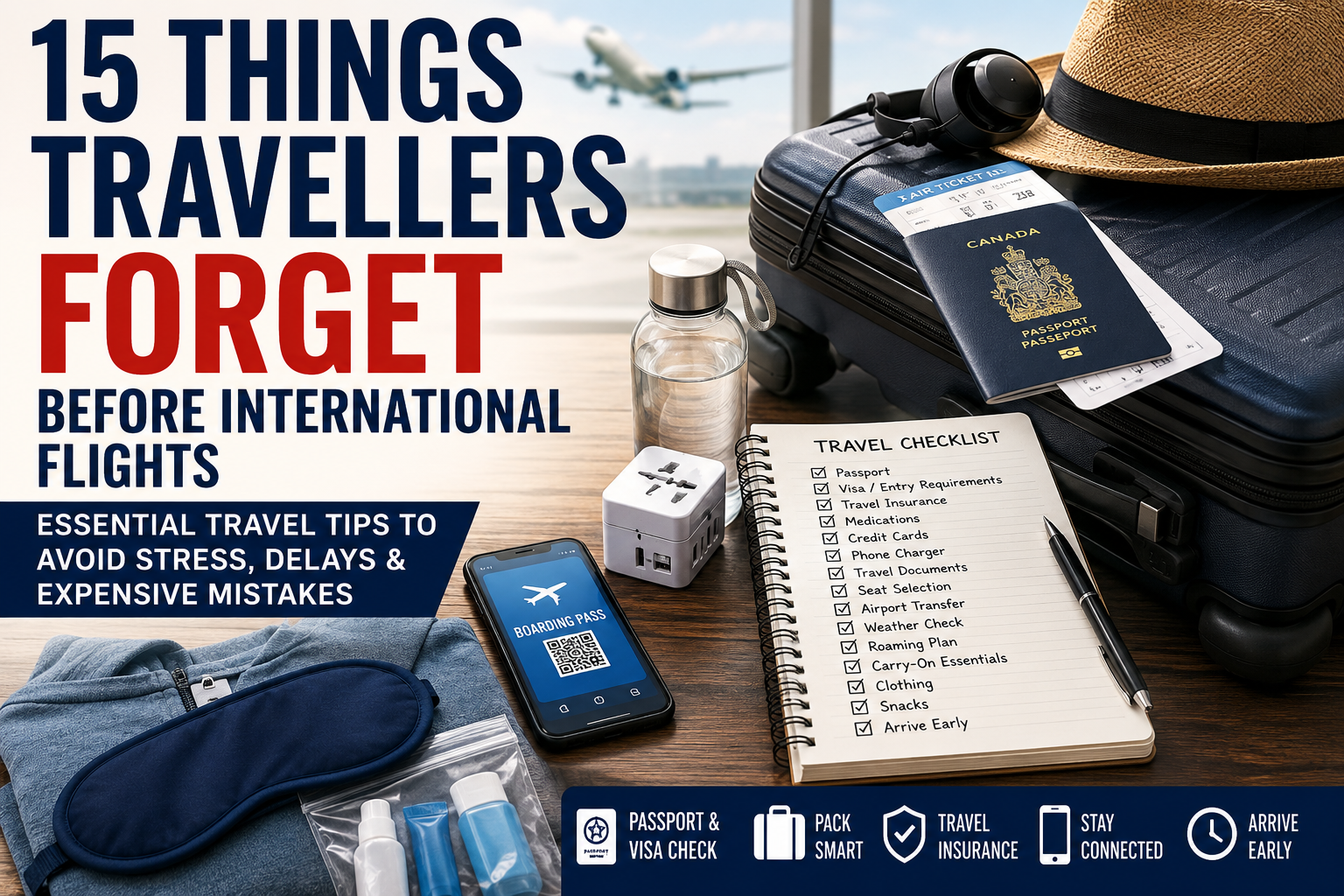
15 Things Travellers Forget Before International Flights
International travel can be exciting, but even experienced travellers sometimes forget important details before heading to the airport. Unfortunately, small mistakes before an international flight can quickly turn into expensive problems, unnecessary stress, missed flights, or ruined vacations.
As a travel advisor, I often see travellers focus heavily on the destination while overlooking critical parts of the actual travel process. The reality is that international travel preparation starts long before boarding the aircraft. I add some personal experience with most of the points below.
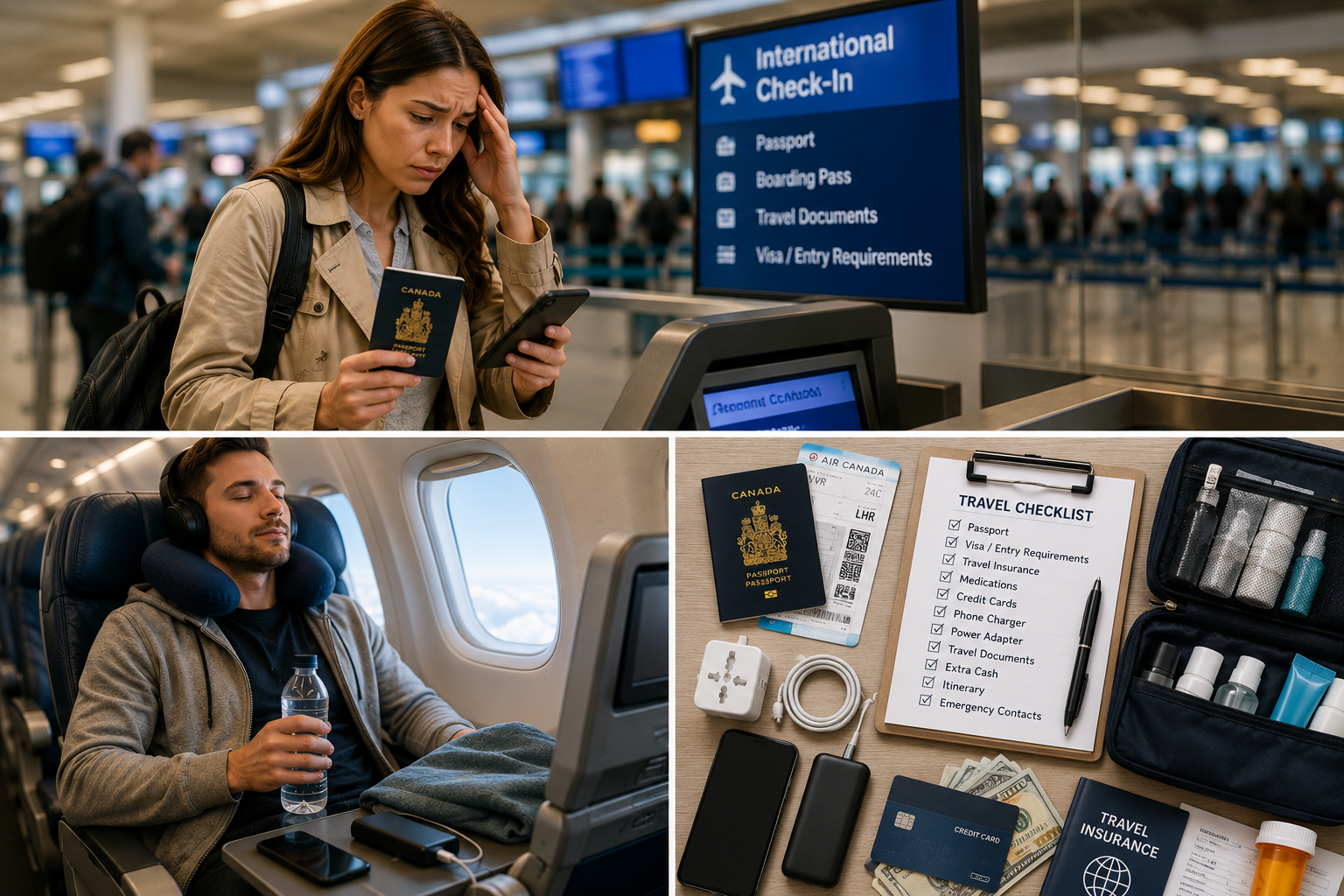
Here are 15 things travellers commonly forget before international flights — and why they matter more than most people realize.
1. Checking Passport Expiry Dates
Many countries require your passport to remain valid for at least six months beyond your travel dates. Some travellers only discover this requirement at airport check-in.
Always verify passport validity several months before international travel.
TOWK Tip: Put a calendar reminder on your smart phone for 6-months before your passport expires to start the renewal process.
2. Understanding Visa and Entry Requirements
Entry rules continue to evolve around the world. Some countries require visas, electronic authorizations, proof of onward travel, or health documentation.
Canadian travellers should always verify official government entry requirements before departure.
TOWK Tip: Find the actual legitimate Government site of the country you are travelling to to research your Visa and entry requirements. A great first step for Canadians is this site: https://travel.gc.ca/
3. Informing Their Credit Card Company
Unexpected international charges can trigger fraud alerts and temporarily lock your cards. Advising your bank of travel plans may help avoid disruptions while abroad.
It is also wise to travel with more than one credit card.
TOWK Tip: My personal Credit Card company does not require travel notifications, but many still take them.
4. Purchasing Travel Insurance
Many travellers assume nothing will go wrong until flights are delayed, luggage disappears, or medical emergencies happen overseas.
Travel insurance can help protect travellers from unexpected medical costs, trip interruptions, cancellations, and baggage issues during international travel.
TOWK Tip: Don't leave home without insurance. We don't know what will happen that will create a need for insurance.
5. Downloading Airline Apps
Airline apps often provide real-time gate changes, delays, boarding notifications, and baggage tracking.
During irregular operations, app users sometimes receive rebooking options before airport lines even begin moving.
TOWK Tip: These Apps keep you in the know, but you must have a data package, or be connected to the airline or airport Wi-Fi.
6. Charging Devices Before Departure
Airport charging stations are not always available, and aircraft power outlets do occasionally fail.
Experienced travellers often board long-haul flights with fully charged phones, tablets, headphones, and portable battery packs.
TOWK Tip: Be aware that battery packs / battery backups are under more and more scrutiny all the time. Be aware of the current regulations and these can change by airline. Some airlines are not allowing their use during flight.
7. Bringing Essential Medications In Carry-On Bags
Medications should never be packed in checked luggage. Lost bags and delays happen more often than travellers expect.
Important medications, prescriptions, and basic medical supplies should always stay with you onboard.
TOWK Tip: Medications should just always be with you.
8. Checking International Roaming Plans
International roaming charges can become shockingly expensive without proper planning.
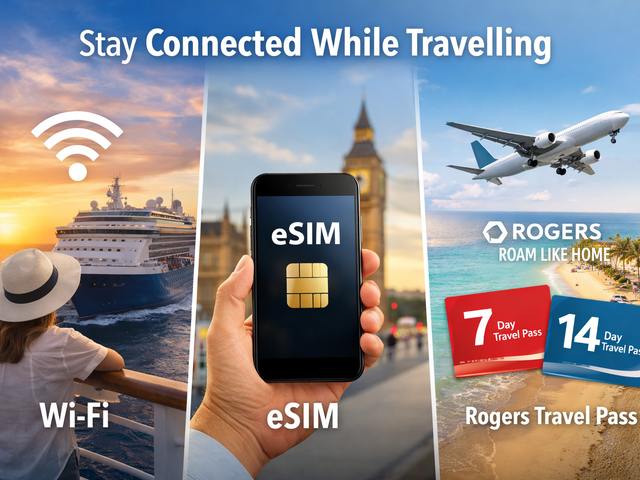
Travellers should understand their mobile provider’s travel plans, eSIM options, cruise ship roaming charges, and Wi-Fi limitations before departure.
TOWK Tip: Not widely known, but many Canadian providers now offer “packages” for roaming that are cheaper than the daily rate.
9. Packing A Change Of Clothes In Carry-On Luggage
Delayed luggage can turn the first day of a trip into a stressful experience.
A lightweight change of clothes, toiletries, chargers, and essential items in your carry-on can make a major difference if checked bags are delayed.
TOWK Tip: Our last time luggage was delayed was in Egypt before our Nile River Cruise. Those lightweight changes in the carry-on saved us for the 3-days waiting for our luggage to catch up to us.
10. Wearing Comfortable Clothing For Long Flights
Tight clothing and poor footwear can make long-haul flights far more uncomfortable than necessary.
Experienced travellers usually prioritize layers, breathable fabrics, and comfort over airport fashion.
TOWK Tip: We bought “Spa Slippers” on Amazon. These are basically disposable slippers. On a long-haul flight these make your feet so much more comfortable, and it keeps your feet from one of the dirtiest parts of the aircraft - the floor.
11. Bringing A Refillable Water Bottle
Aircraft cabins are extremely dry, and dehydration contributes heavily to travel fatigue and jet lag.
An empty refillable bottle can easily be filled after airport security.
TOWK Tip: This is the way to go for sure.
12. Checking Airport Connection Times
Not all flight connections are equal. Some international airports require lengthy terminal transfers, passport control, security re-screening, or train connections between gates.
Short connections may look fine on paper but can become risky in reality.
TOWK Tip: ALERT! With EES and ETIAS coming into place in Europe and the Schengen Region, connection times are key. Be very aware that some airports will almost promise to have you miss your connection. My suggestion now until EES and ETIAS are settled is a minimum 3 hours connection time in Europe and the Schengen Region.
13. Downloading Maps And Travel Documents Offline
Airport Wi-Fi and mobile coverage are not always reliable after arrival.
Experienced international travellers often download maps, hotel information, boarding passes, and key documents before leaving home.
TOWK Tip: Don't rely on having Wi-Fi or a great data connection. I download everything that I think I might need on my phone so that as long as I have battery, I can get to the information I need.
14. Checking Weather At Their Destination
Many travellers only check temperatures and forget about humidity, rain seasons, wind, or altitude conditions.
Weather can dramatically affect packing decisions, excursions, and overall comfort during a trip.
TOWK Tip: The real fact is that now - IMO - weather does not follow historical patterns. I have learned to pack light that covers hot, cold, and everything inbetween.
15. Arriving At The Airport Early Enough
International travel typically requires more time than domestic flights due to passport checks, baggage processing, customs procedures, and security screening.
Arriving early reduces stress and provides a buffer when airports become unexpectedly busy.
TOWK Tip: We hear horror stories of lines and delays with Security, and although most of the time I feel many of these reels are clickbait, it does and can happen. Don't cut your time short. On a departure day, I feel that I can wait at home, or be safe and wait at the airport. We also invest in a credit card that gives us lounge access and this is a much easier wait than at the boarding gate.
Final Thoughts
International travel is one of life’s great experiences, but preparation matters. Many common travel problems begin before travellers even board the aircraft.
A few simple steps before departure can dramatically reduce stress, improve comfort, and help travellers enjoy their vacation from the very beginning instead of starting the journey frustrated and exhausted.
Experienced travellers understand that successful international travel is often less about luck and more about preparation.
I am Ken Graham - Travel Advisor and Cruise Specialist. Contact me for no obligation discussion about your travel dreams…