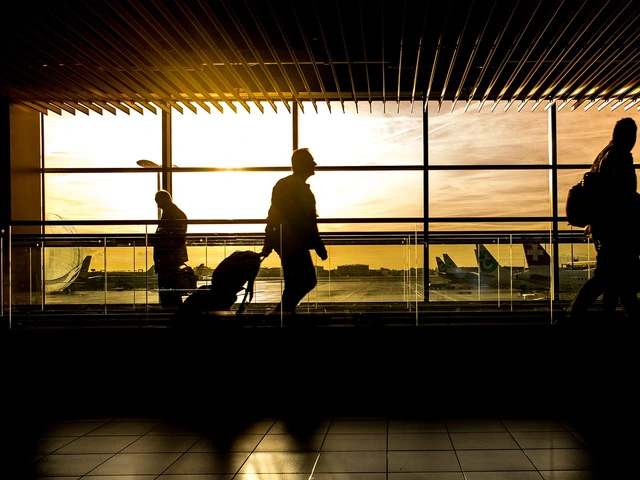
"Beating Jet Lag - Overnight Flights to Europe"
Blog / Article By: Ken Graham / TravelOnly With Ken learn more

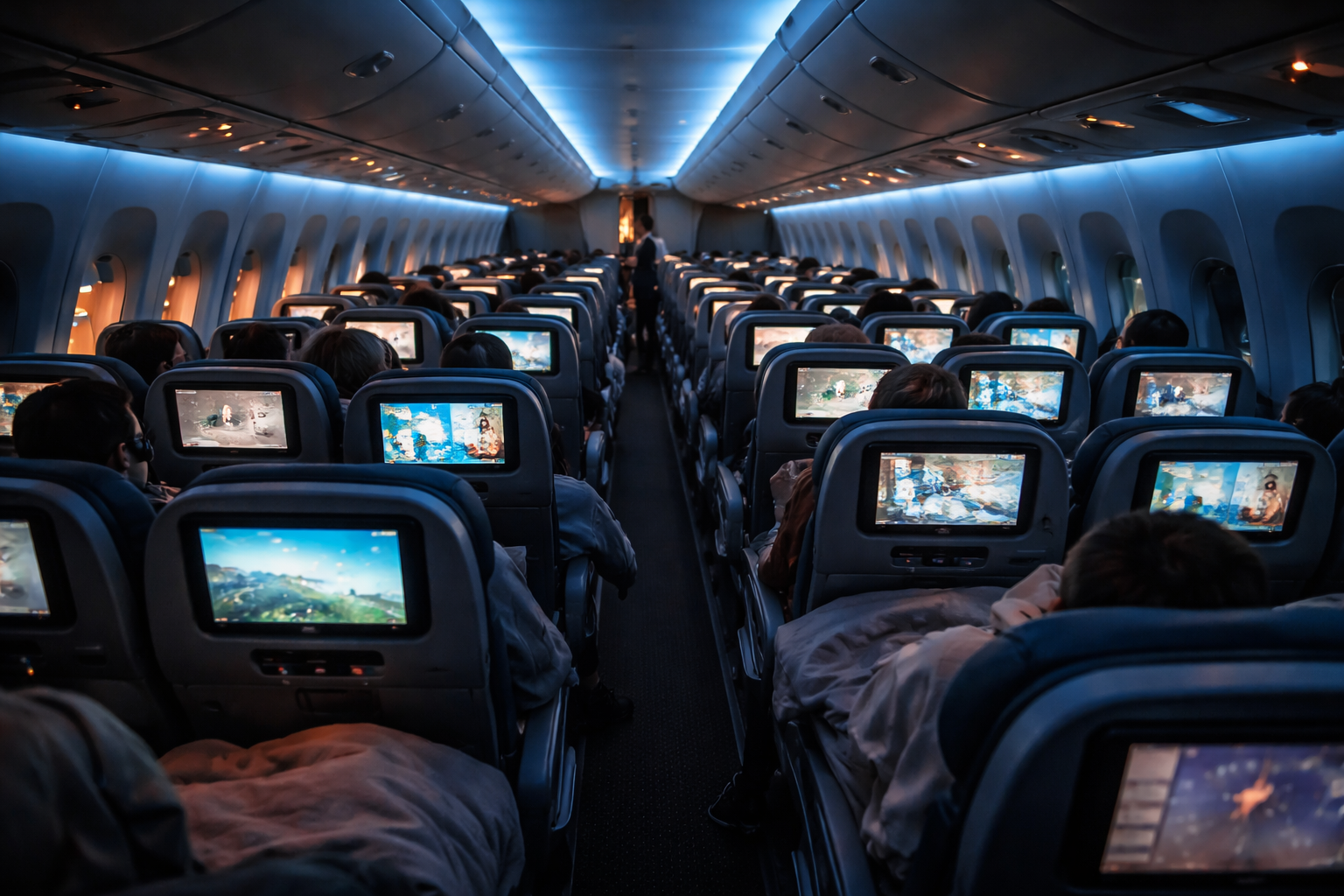
Over the years, frequent travellers have developed small habits that make a surprisingly large difference. None of these ideas are complicated, but together they can make a long flight far more comfortable.
Choose your seat carefully
Your seat can make or break the experience on a long flight.
Many travellers prefer the window seat because it allows them to lean against the wall and control the window shade. Others prefer the aisle seat because it allows them to stand up, stretch, and walk around without disturbing anyone.
For me, there is no option other than the aisle seat. If we are flying Business Class which is often the indulgence for a 12+ hour flight then I don’t need to consider the seat as in the same way, or if we are in Premium Economy we are in two seats on the side.
On a long flight, the ability to move easily often matters more than the view. Being able to get up without climbing over someone can make the journey far more comfortable.
If possible, avoid the middle seat entirely. On flights lasting ten hours or more, the difference between an aisle or window seat and a middle seat becomes very noticeable.
If you are flying Economy Class some aircraft narrow at the back with several rows of two seats on the sides. If you are booking. Your seats early enough you may be able to score one of these rows. This is where booking flights early and choosing seats is in your favour.
Consider however, that seats close to a bulkhead may have infants close by, and also consider choosing seats away from the lavatories.
Prepare your entertainment before you leave home
Airlines offer in-flight entertainment, but you should never depend on it completely.
Download movies, podcasts, music, or shows to your device before you leave home. Streaming services usually allow offline viewing, and this gives you a backup if the seat screen is not working.
Personally, before every flight I download full seasons of my next watch on Netflix, or Prime, as well as movies, and documentaries.
A fully charged device and downloaded content can easily fill several hours of the flight.
There are nifty holders now that you can buy to attach your phone to the closed tray table that make watching on your phone much easier.
Bring a portable charger
Power outlets on aircraft are not always reliable. Some seats have them, some do not, and sometimes they stop working.
A small battery pack ensures your phone, tablet, or headphones do not run out of power halfway through the flight.
This becomes especially important if you rely on your phone for boarding passes, travel documents, or communication when you land.
NOTE however that some airlines now limit or restrict use of portable chargers while in flight, so ensure that you are charging your devices before boarding.
Pack a small in flight essentials pouch
One simple trick I use is packing a small pouch or bag inside their carry on that contains everything needed during the flight.
This can include items such as
• headphones
• eye mask
• lip balm
• moisturizer
• toothbrush
• charging cable
• medication
• snacks
Candy/mints
Having these items in a small pouch prevents you from repeatedly opening your overhead bag.
Move around regularly
Sitting for long periods is uncomfortable and can affect circulation.
If the seatbelt sign is off, stand up and walk the aisle periodically. Even a short walk every hour or two helps improve circulation and reduce stiffness.
You can also move your feet and legs while seated. Simple ankle rotations, foot pumps, and gentle stretching can help keep blood flowing.
Wear comfortable clothing
Cabin temperatures can change during a long flight, so wearing layers is helpful.
Loose clothing tends to be far more comfortable than tight clothing during long periods of sitting. Some travelers also wear compression socks to reduce swelling in their feet and legs.
Comfort should take priority over appearance on a flight that lasts half a day.
Hydrate more than you think you need
Airplane cabins are extremely dry. Dehydration can happen quickly, especially on overnight flights.
Drink water regularly during the flight, even if you do not feel thirsty.
Alcohol and excessive caffeine can increase dehydration, so moderate consumption is usually a good idea on long flights.
Do not watch the flight clock constantly
Watching the remaining flight time can make the journey feel longer.
Many experienced travelers avoid checking the map or countdown constantly. Instead, they break the flight into small segments.
For example, you might watch a movie, eat a meal, read for an hour, then try to sleep. Focusing on activities rather than time helps the flight pass more quickly.
Create a simple plan for sleeping
Sleep can make a long flight feel dramatically shorter.
Eye masks, neck pillows, and noise canceling headphones can help create a more restful environment. Don’t underestimate the value of a well-priced pair of over the ear noise cancelling headphones. If you are unlucky enough to have a crying baby/infant on your flight, noise cancelling headphones can save you.
If you are crossing time zones, it may also help to start adjusting your sleep schedule during the flight to better match the destination.
Take care of basic hygiene
After several hours in the air, even small routines can make you feel refreshed.
Brushing your teeth, washing your face, or applying moisturizer can help you feel human again during a long journey.
Many experienced travellers carry a small personal kit for exactly this purpose.
Be aware that bloating is common on long flights
Changes in cabin pressure and long periods of sitting can cause mild swelling or bloating.
Some travellers find it helpful to
• avoid carbonated drinks
• limit salty foods
• drink more water
• stretch periodically
Loose clothing also helps if your body retains fluid during long flights.
Use the galley for short breaks
On long international flights, the galley often has water, snacks, or beverages available between meal services.
Walking to the galley for a drink or snack also provides a good excuse to stretch your legs.
Note, that even though there can be snacks in the galley, many airlines now do not like passengers “hanging out” in the galley, and some actually state that it is not allowed.
Use the flight time productively if you want
A long flight can also become uninterrupted time to focus on something you rarely have time for.
Some travellers read an entire book. Others write, plan trips, organize photos, or simply think.
Being disconnected from normal distractions can actually be a surprisingly productive environment.
Additional tips frequent travellers often recommend
These ideas are not always mentioned in articles, but they are commonly used by experienced long haul travelers.
Eat lighter meals before the flight if you plan to sleep.
Set your watch to your destination time once you board.
Use noise canceling headphones if possible. Aircraft noise becomes tiring over many hours.
Bring your own refillable water bottle.
Avoid packing your carry on too tightly. You will want easy access to the things you need during the flight.
Accept that the flight is part of the journey as this one mindset shift helps more than any travel gadget.
A long flight is simply part of getting somewhere remarkable. Instead of fighting the experience, treating the flight as quiet time can make it far more enjoyable.
Sometimes the best strategy is simply settling in, relaxing, and letting the journey unfold.
Personally, I look forward to the flight, even if it is 12+ hours. This is part of the journey. I often see others negatively stressing about the long flight and I personally feel that boarding the aircraft stressed will make the experience less enjoyable.
Long Haul Flights for Cruise Travellers
For many cruise travellers, the long flight is the gateway to the experience.
River cruises in Europe, expedition voyages in Antarctica, and Mekong River journeys in Southeast Asia almost always involve long haul travel before the cruise even begins.
A few additional strategies can make the journey to your ship much easier.
Whenever possible, consider arriving one or more days early. This allows time to recover from jet lag and reduces the stress of travel delays.
Try to adjust your sleep schedule during the flight to match the destination time zone. Even a partial adjustment helps when you arrive.
Carry the essentials you would need if your luggage is delayed. This includes medications, one change of clothes, travel documents, and valuables.
And perhaps most importantly, remember that the journey is part of the adventure. Some of the most remarkable destinations in the world require a long flight to reach them.
Long Haul Flight Carry On Checklist
Documents and essentials
• Passport
• Boarding pass
• Travel insurance details
• Cruise documents if applicable
• Credit card and local currency
Comfort items
• Neck pillow
• Eye mask
• Noise canceling headphones or earplugs
• Light sweater or scarf
• Compression socks
Personal care
• Toothbrush and small toothpaste
• Lip balm
• Hand cream or moisturizer
• Facial wipes
• Deodorant
Health and hydration
• Refillable water bottle
• Electrolyte packets if desired
• Basic medications
• Small healthy snacks
Technology
• Phone and charging cable
• Portable battery pack
• Tablet or e reader
• Downloaded movies, shows, or podcasts
Many experienced travellers keep these items in a small pouch that stays under the seat in front of them so they do not need to open the overhead bin during the flight.
Personally, this is where I use the larger Ziplock Zipper Bags. I have one that has the immediate essentials and I slip this into the seat pocket in front of me.
See the long-haul flight as part of the journey and make it an enjoyable part of that journey.
Some basic tips when booking your air travel:
#travelonlywithken #luxurycruising
Blog / Article By: Ken Graham / TravelOnly With Ken learn more
"Bisseltown"
 Ken Graham
Sign up for our newsletter to learn about the latest product news and deals. Also receive exclusive offers, contest details and giveaways.