As a travel advisor, this is one piece of advice I give almost every cruise client, especially those investing thousands of dollars into a premium or luxury cruise experience:
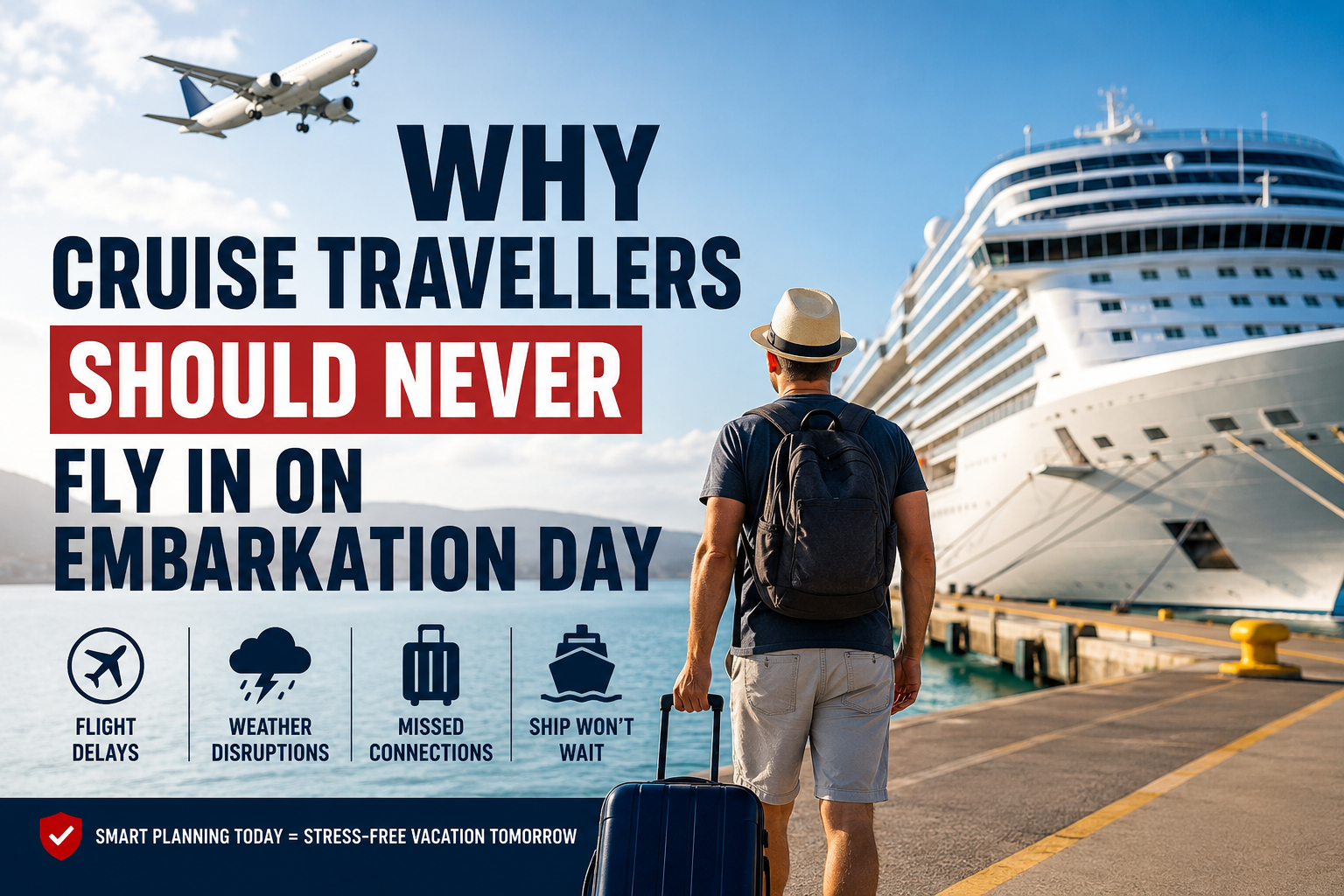
Never fly to your cruise on the same day your ship departs.
Could you get away with it? Absolutely.
Many travellers do.
But after years of travelling myself, booking cruises for clients, and watching airline disruptions become more common, I can honestly say that flying in at least one day early is one of the smartest travel decisions you can make.
Ironically, I have personally never missed a cruise. In fact, I almost always arrive at least one day before embarkation. But recently, even with that buffer built in, I experienced several horrendous flight delays and tight connections that reminded me just how vulnerable travellers really are when relying on same-day flights.
These delays were with border control in Frankfurt Airport. Lines were 2+ hours long and with my connection only 90-minutes, I can say that we were sweating it a bit. With some persuasive pleading, we were moved up in line - in fact there were about 20 of us on the same connection. We made it to the gate - running - with only minutes to spare.
Had those experiences happened on embarkation day itself, there is a very real possibility I could have missed the ship.
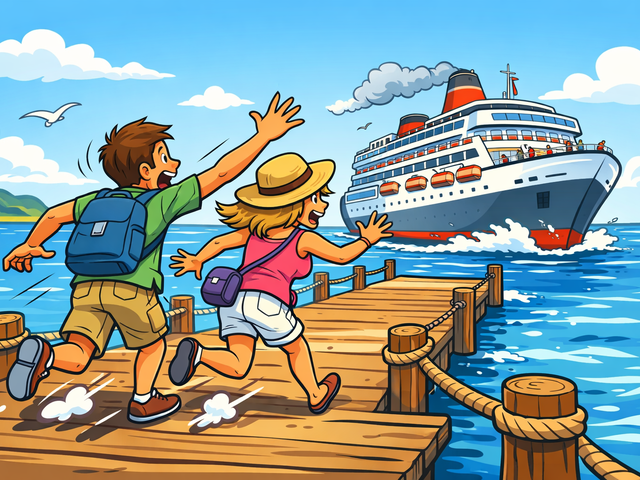
And unlike a hotel reservation, a cruise ship does not wait for late passengers.
Cruise Ships Operate On Tight Schedules
Modern cruise itineraries are tightly coordinated operations involving:
If a ship is scheduled to depart at 5:00 PM, it is often required that all passengers be onboard much earlier, sometimes by 2:00 PM or 3:00 PM.
Even if your flight only arrives “a little late,” that delay can quickly snowball into a disaster.
A delayed departure from your home airport could cause:
• A missed connection wherever you are connecting • A baggage delay • A two-hour passport control line • Traffic congestion getting to the port - and this I have experienced for real! • A missed embarkation cutoff
At that point, the cruise line may deny boarding.
And now you are trying to catch up to a ship that may already be sailing toward another country.
Airline Delays Are More Common Than Many Travellers Realize
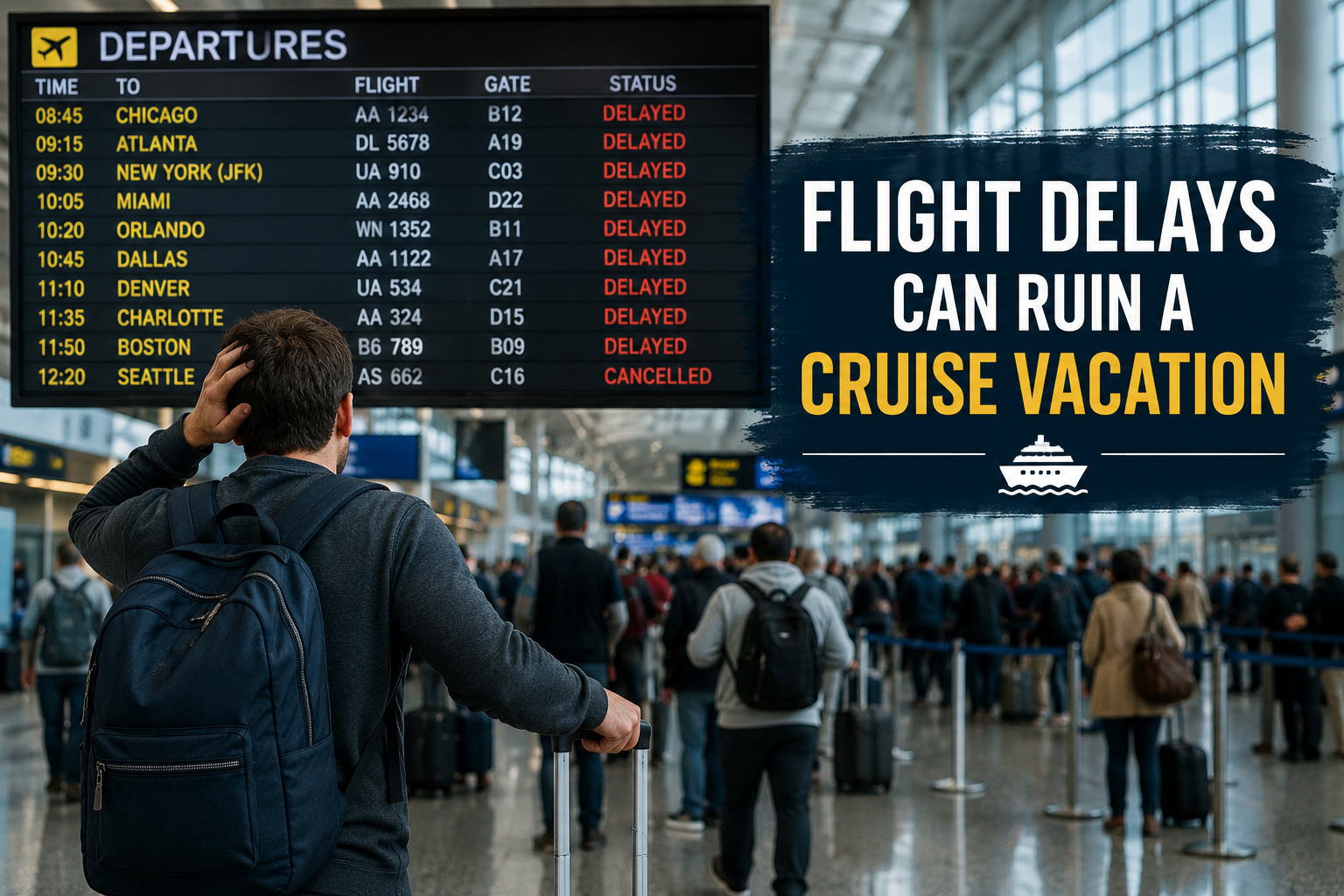
Since the pandemic, airline operations have become far less predictable.
Even if your first flight leaves on time, your connecting flight may not.
I recently experienced connection issues myself despite travelling a day early. Sitting in airports watching departure boards change repeatedly is stressful enough when you know your cruise is tomorrow.
I cannot imagine that same stress knowing the ship departs in only a few hours.
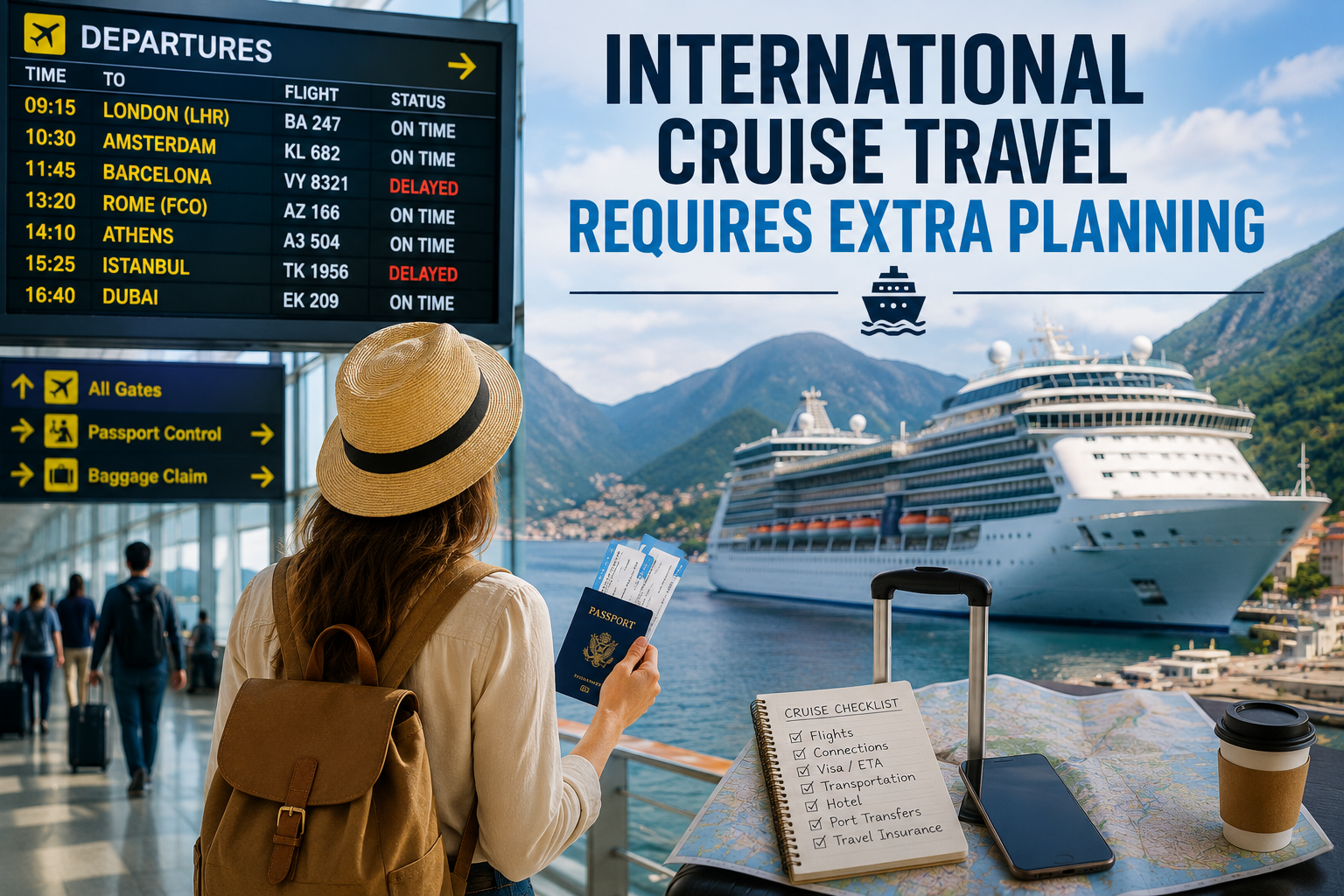
International Cruises Add Even More Risk
Flying same-day for a Caribbean cruise from Florida is risky enough, but international cruises create even more variables.
For example:
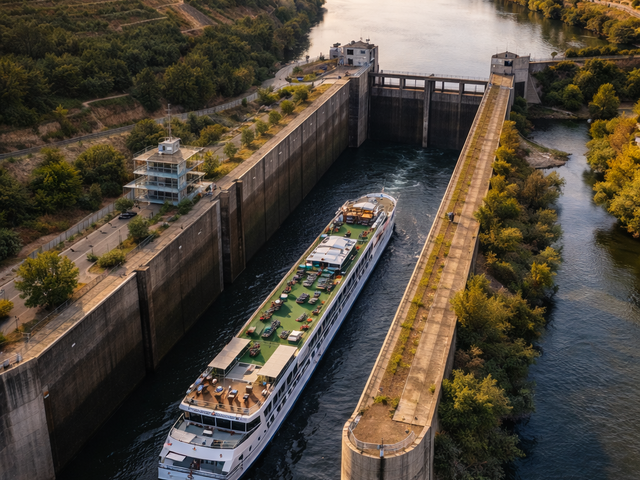
• European river cruises • Mediterranean cruises • Alaska cruises requiring connections • Expedition cruises • Cruises departing from Asia, Australia, or South America
These itineraries often involve:
• Long-haul flights • Multiple flight segments • Immigration processing • Customs delays • Different airlines on separate tickets • Overnight airport disruptions
One missed connection can collapse the entire itinerary.
And if your cruise is a once-in-a-lifetime experience like Antarctica, the Galápagos, or the Northwest Passage, the financial consequences can be enormous.
Weather Can Destroy The Best Planned Itinerary
Many travellers underestimate how weather in one city can affect flights across an entire continent.
You may be flying from sunny Toronto to sunny Fort Lauderdale, but thunderstorms in Atlanta or Chicago can still disrupt your aircraft routing.
I have seen travellers lose entire vacation days because of weather nowhere near their final destination.
The Cost Of Flying Early Is Often Small Compared To The Risk
Some travellers hesitate because of the added hotel cost.
But compare one hotel night against:
• Missing your cruise entirely • Paying last-minute flights to catch up to the ship • Losing prepaid excursions • Losing non-refundable cruise costs • Missing the first days of your vacation • Starting your holiday stressed and exhausted
In most cases, the extra hotel night is inexpensive insurance.
Arriving Early Actually Improves Your Vacation
One of the biggest benefits of arriving early is something many travellers overlook:
You start your vacation relaxed.
Instead of:
• Running through airports • Watching the clock • Stressing over delays • Boarding exhausted
You can:
• Enjoy a nice dinner • Sleep properly • Explore the embarkation city • Wake up refreshed • Board the ship calmly
Personally, I love arriving early because it allows the cruise itself to feel like the beginning of the vacation, not the recovery period from travel chaos.
My Personal Recommendation As A Travel Advisor
If at all possible, I strongly recommend arriving:
• At least one day early for most cruises • Two days early for international or complex itineraries • Even earlier during winter or hurricane season
This is especially important for:
• Luxury cruises • River cruises • Expedition cruises • Cruises with expensive airfare • Cruises departing from Europe or overseas
When clients ask me if same-day flights are “safe,” my answer is usually: “They are safe until something goes wrong.”
And unfortunately, when flying is involved, things sometimes do go wrong.
As someone who travels frequently myself, I can confidently say that the peace of mind from arriving early is worth every penny.
Because the only thing worse than paying for an extra hotel night is standing in an airport realizing your cruise ship is sailing without you.