Plan Your Best Trip Ever!
"Europe Sud"

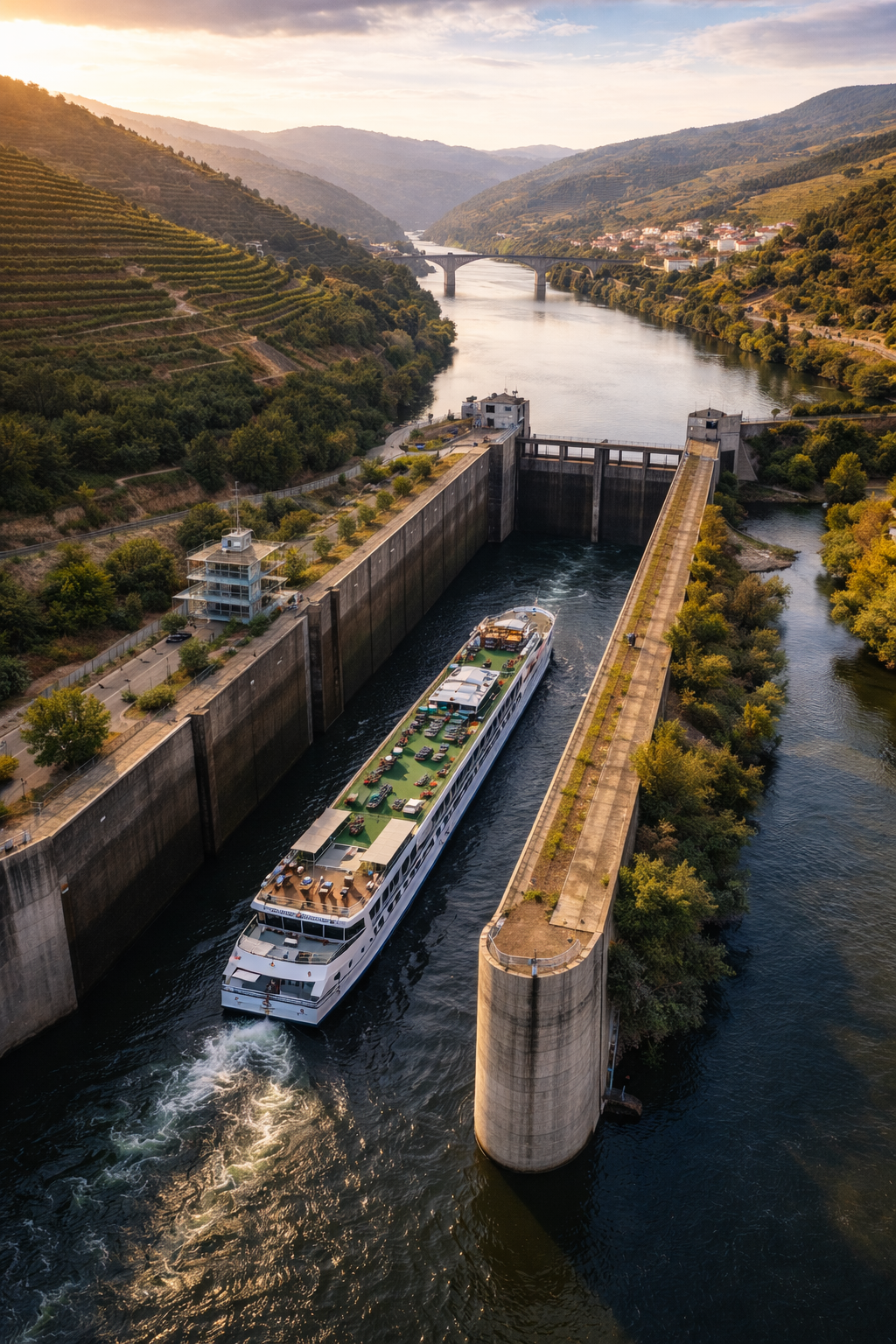
Bringing a drone on a cruise or European vacation may sound like a great idea. Stunning aerial footage of historic cities, vineyards, coastlines, and cruise ships can seem irresistible when you are planning a trip. I once thought exactly the same thing before our Douro River cruise in Portugal. After going through the entire process and experiencing the realities firsthand, I can honestly say that travelling with a drone was far more effort than it was worth.
Before our trip, we spent months securing the required authorization from the Portuguese government and aviation authorities. We were issued an official signed document that we had to carry with us to prove our advance permission. Flying a drone legally in many European countries requires registration, permits, and sometimes insurance. In our case, we also needed written permission from the ship’s captain because cruise lines control what can be launched from the vessel. Even with all that preparation, the number of places where we were actually allowed to fly turned out to be extremely limited.
Many of the most beautiful places in Europe are protected cultural heritage sites. UNESCO locations often prohibit drone flights entirely. This includes historic districts, archaeological sites, and landmark viewpoints that travellers most want to capture from the air. The Douro Valley itself contains protected areas where drone use is restricted. Even when a drone is technically allowed, there may be additional rules about proximity to people, buildings, or transportation routes. Our drone was GPS controlled and even if we thought that we could fly in an area, the drone software recognized where it was not allowed to launch and would not launch.
Cities across Europe have strict drone laws that many travellers underestimate. In busy urban locations such as Lisbon, Rome, or Florence, regulations often restrict drone use when crowds are present. In some plazas there are limits on how many people can be in the square before drone flights are prohibited. While visiting Lisbon, we actually counted the number of people in a square and decided it was not legal to fly. Moments later another visitor launched a drone and within minutes police arrived and confiscated it.
There is also a social reality that many travellers do not think about until they experience it. Drones are noisy. In quiet countryside or historic towns, the sound of a drone carries surprisingly far. Even when you are technically allowed to fly, the humming noise can be very noticeable and often irritates people nearby who are trying to enjoy the scenery. We experienced this exactly. We were in a rural historic site with no city traffic or people noise. The sound of the drone was extremely evident and we overheard others making comments about how annoying that noise was. This is when we realized that our desire to have some aerial footage was actually impacting the experience of others.
Cruise travellers face additional complications. Many cruise lines allow drones to be carried onboard but restrict when or where they can be used. Flying from the ship itself is often prohibited for safety reasons. Even when permission is granted, there are technical challenges. Most consumer drones automatically return to the GPS point where they were launched. If the ship has moved during the flight, the drone may struggle to return to the vessel, or you may lose the drone in the water.
The result is that travellers often carry a drone for weeks and discover they rarely have an opportunity to use it legally or comfortably. Between permits, flight restrictions, cultural heritage protections, and local enforcement, the list of barriers grows quickly.
After returning home from that trip, we decided to sell our drone. Although we captured a few wonderful shots, we realized something important. There is an enormous amount of professional aerial footage available online. When creating travel videos or presentations, it is often easier and more practical to supplement your own footage with licensed aerial clips rather than carrying a drone around the world. We have many videos on our YouTube channel now that have licensed aerial footage that we obtained online. Were we there? Yes. Is every second of footage in our video from our cameras? No. However, we were there, and this aerial footage adds to the overall experience that we are sharing.
Watch our YouTube video of our Douro River Cruise with our captured drone footage.
For most travellers, especially cruise passengers visiting historic cities, bringing a drone creates more complications than value. Between the regulations, the paperwork, the restrictions at UNESCO sites, and the potential for fines or confiscation, it is often far simpler to leave the drone at home and focus on enjoying the destination.
TravelOnly With Ken helps travellers plan cruise journeys around the world. If you are preparing for a river cruise or ocean cruise and want practical advice on what to bring and what to leave behind, feel free to reach out.
"Europe Sud"
 Ken Graham
Sign up for our newsletter to learn about the latest product news and deals. Also receive exclusive offers, contest details and giveaways.