Plan Your Best Trip Ever!
"Amsterdam"


Fifteen days, three rivers, and five countries later, I came home from this Uniworld voyage convinced that even a well travelled river cruiser can still be surprised. Here is the full journey, day by day, along with a travel tip I picked up at each stop.
This itinerary unfolds in three parts. First, we cruised the Rhine from Basel to Boppard. Then we followed the Moselle from Koblenz to Trier. Finally, we returned to the Rhine to visit Cologne and Düsseldorf before continuing through the inland waterways of the Netherlands and Belgium, ending in Brussels. For seasoned river cruisers, this itinerary proves there is always something new to discover. For first time river cruisers, it offers a taste of the very best each river region has to offer.
Day 1: Basel, Embarkation
Our journey began in Basel. Embarkation aboard the Super Ship Victoria set the tone for the luxurious journey ahead. From the moment we stepped on board, it was clear this ship is not just transportation, it is a floating boutique hotel.
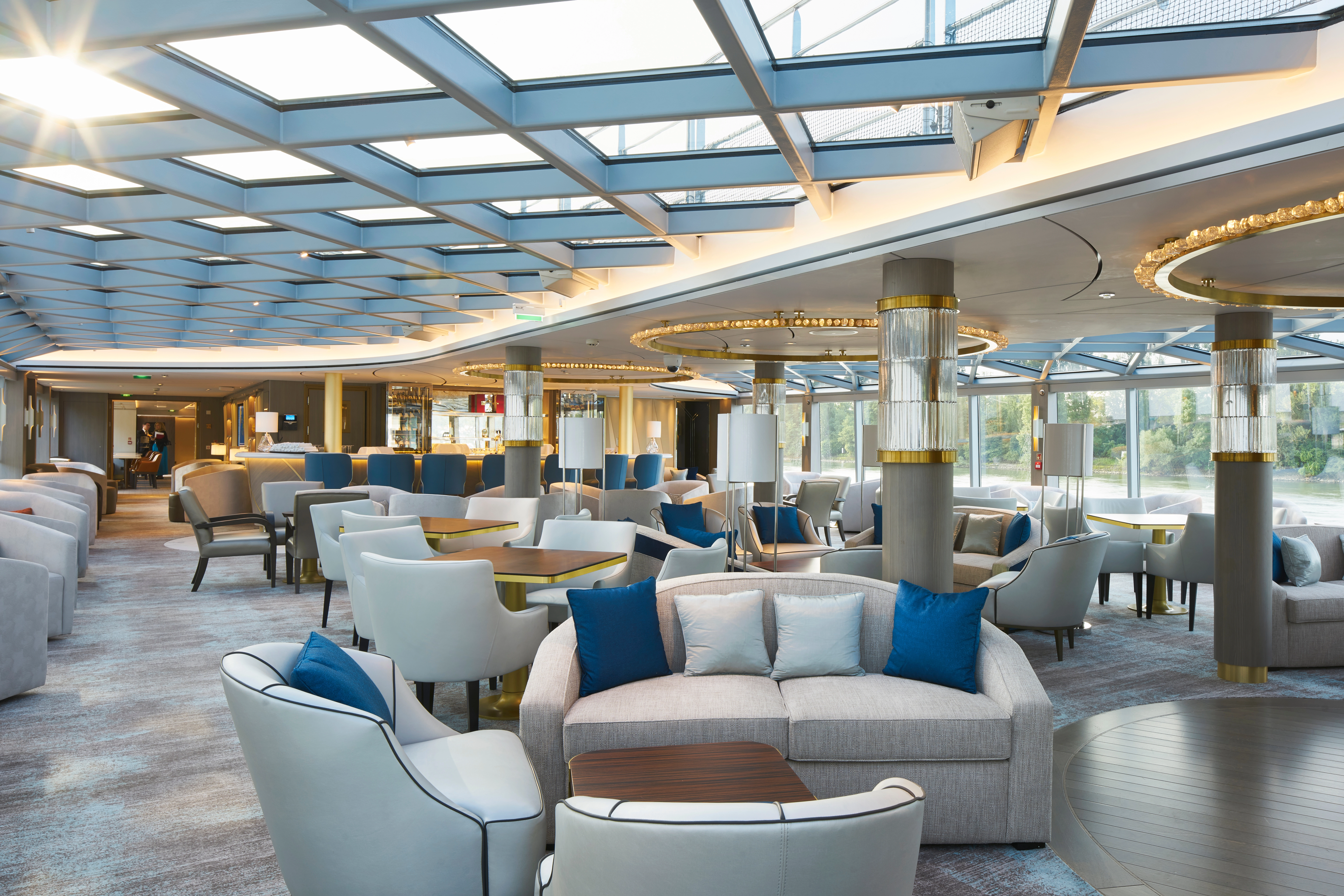
The S.S. Victoria accommodates just 110 guests, served by a crew of 41. One standout feature of this ship, it has no lower deck staterooms. Every guest stays on either the middle or upper decks, in spacious cabins with panoramic views and abundant natural light. Public spaces include a stunning main lounge with a glass ceiling and floor to ceiling windows, multiple dining venues including the main restaurant and a private dining room reserved for special occasions, a spa, fitness room, heated pool, and even a self service laundry, a rare feature on river ships.
Our stateroom was a 253 square foot Signature French Balcony, with the bed facing the river, an enclosed balcony with floor to ceiling windows that lower with the touch of a button, a generous walk in wardrobe, and a spa inspired double vanity bathroom.
Read More Here: River Cruise Cabins Explained
Embarkation day is all about settling in, unpacking once, enjoying a welcome drink, and meeting your fellow guests. A peaceful and elegant start to a richly immersive fifteen day journey.
Travel Tip: Staterooms on river cruises are like hotel rooms and often come equipped with a small built in fridge, typically located beneath the desk. These mini fridges can generate residual heat, which may warm the surface directly above them. If you are travelling with temperature sensitive items like medication, it is best to store them elsewhere. For everything else, the warmth is minimal and should not be a concern.
Day 2: Basel
After an overnight stay, we spent day two continuing our exploration of Basel, Switzerland's third largest city. It is renowned for its rich cultural heritage, historic architecture, and global prominence in the pharmaceutical industry.
Excursion options for the day included a hike in the Swiss Alps with a picnic lunch, a full day excursion to Mount Rigi featuring a guided alpine hike and a picnic lunch with sweeping mountain views. Note that space for this excursion was limited and tended to fill quickly. Alternatively, guests could join the Lucerne walking tour, a scenic and cultural experience through this postcard perfect city, which also filled up fast.
We opted for the Basel Walking Tour with Local Treats. Having previously visited the city during Christmas, we were eager to experience Basel again, this time in summer's golden light.
Basel is often referred to as Europe's Pharma Valley, home to industry giants like Roche and Novartis. Our guide, who happened to be a neuroscience student, shared a fascinating fact, it was here in 1938 that Swiss chemist Albert Hofmann first synthesized LSD at Sandoz Laboratories. He later accidentally discovered its psychedelic effects in 1943. Today, research into LSD's potential for treating conditions like depression, anxiety, and PTSD is once again gaining momentum, including here in Switzerland.
Another fun fact, because of Basel's unique tri border location, many people work in Switzerland, shop in Germany, and live in France. It makes sense, Swiss jobs often pay twice as much as in Germany, while goods are cheaper across the border in Germany, and housing costs are lower in nearby French towns.
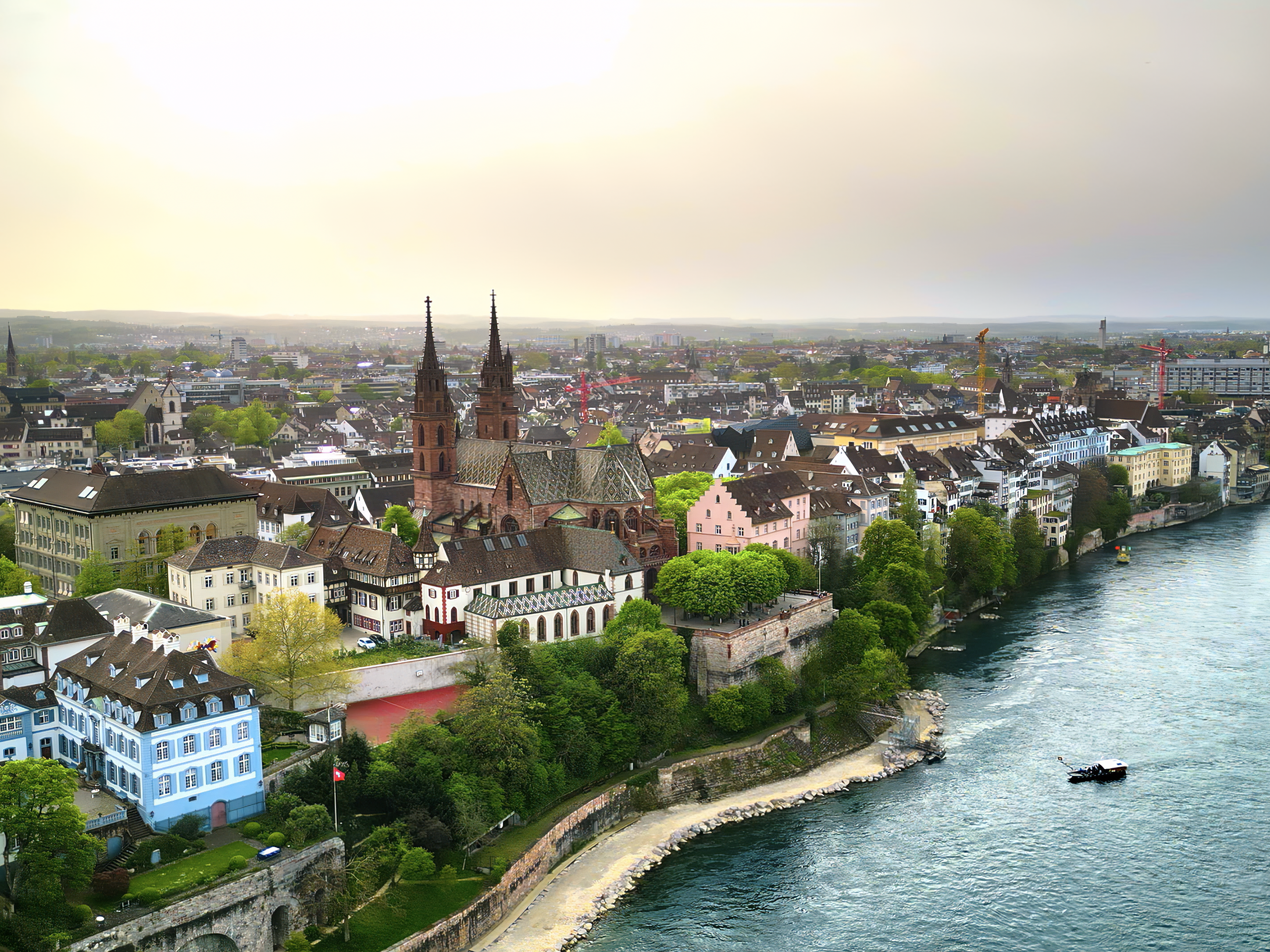
For art lovers, Basel is a dream. We visited the Kunstmuseum Basel in the afternoon. It houses the world's oldest public art collection and features an impressive selection of Picasso's work, including Two Brothers and Seated Harlequin, among others. There is a fascinating story behind how Picasso came to donate his works to this museum, see if you can uncover it during your visit.
Travel Tip: Some excursions have limited space and can fill up quickly. While some cruise lines allow advance online registration, others require you to sign up on board. Either way, decide early and register as soon as possible.
Day 3: Strasbourg and Baden-Baden
Day three brought us to Strasbourg, a beautifully cross cultural city perched on the French German border. Over centuries, it has shifted between both nations, giving it a unique bilingual charm. Strasbourg is not just beautiful, it is politically significant. It hosts the European Parliament, which meets here every month.
Excursion options included a guided walking tour of the old town, with highlights like the charming La Petite France district, the city's iconic canals and half timbered houses, and the majestic Strasbourg Cathedral, one of the finest examples of late Gothic architecture in Europe.
Having visited Strasbourg before, we opted for a different kind of experience, a memorable escape to Baden-Baden, Germany, just over an hour away. Nestled at the edge of the Black Forest, Baden-Baden is one of Europe's premier luxury spa towns, celebrated for its elegant hotels, curated gardens, and wellness heritage.
We walked along the Lichtentaler Allee, a beautiful landscape promenade lined with more than 300 species of exotic and native trees and flowers. A particularly intriguing stop was the Fettquelle, which means "fat source," a historic thermal fountain that emits mineral rich water surprisingly hot to the touch. It is a publicly accessible hot spring, though not for drinking, and serves as a gentle reminder of the town's healing water heritage.
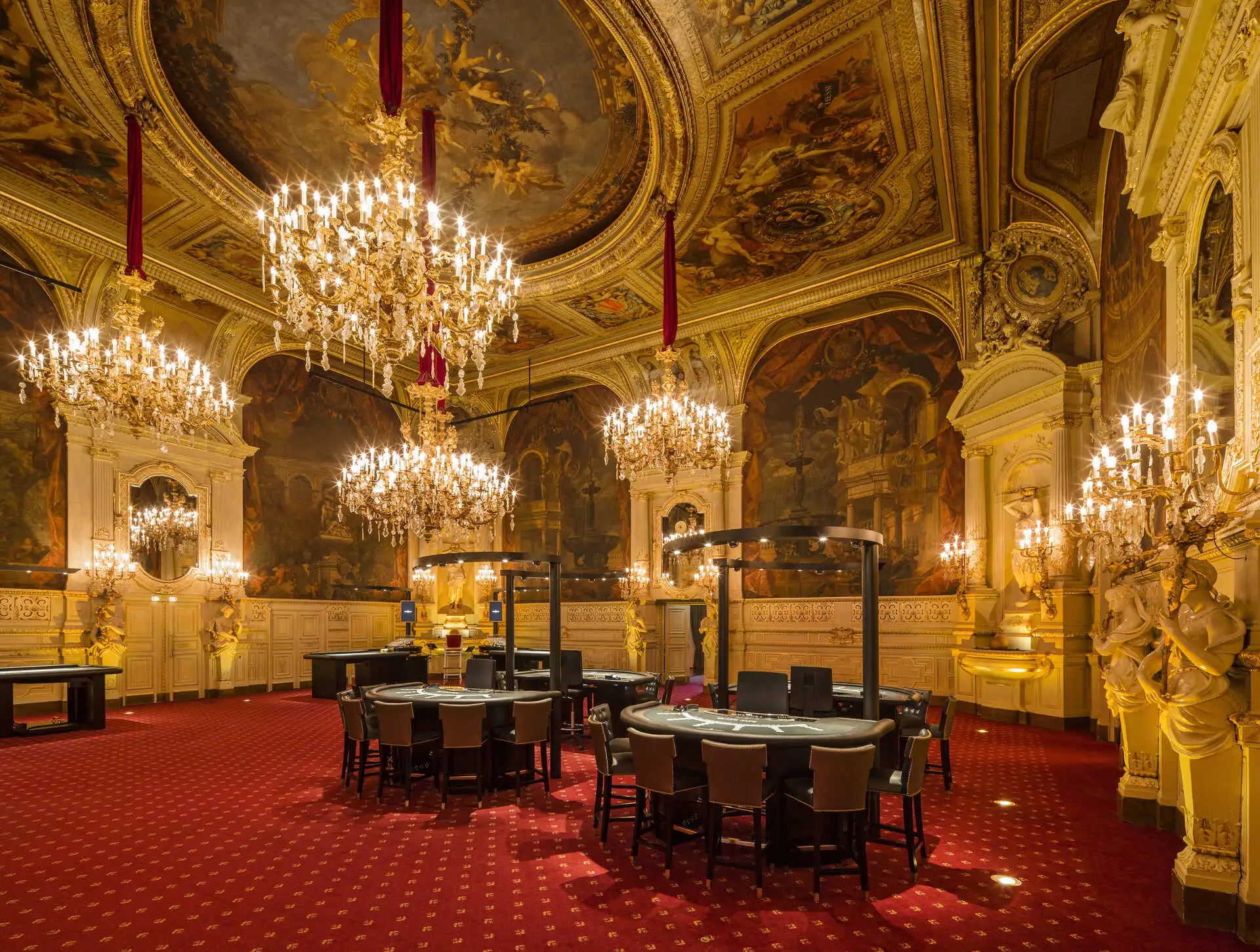
We also visited the legendary Casino Baden-Baden, set in a stunning neoclassical building, often called one of the world's most opulent gaming halls and offering a real step back into old world glamour.
After lunch on board, the ship's shuttle took us back to Strasbourg, where we spent the afternoon browsing local shops and soaking in the old town's timeless charm.
Travel Tip: Many cruise lines offer shuttle buses to the city center on a fixed schedule. If you plan to use one, note or photograph the timetable. To easily find your pickup point later, mark it on a city map from reception or drop a pin in your phone's map app.
Day 4: Speyer
We arrived in Speyer, Germany, on day four, a city best known for the Speyer Cathedral. This UNESCO World Heritage Site is the largest Romanesque cathedral in the world.
Excursion options included a full day trip to Heidelberg, often called Germany's most romantic city, with its hilltop castle ruins, Philosopher's Walk, and charming old town that has inspired poets for centuries. But we chose something truly unique, a visit to the Doktorenhof Vinegar Estate.
Tucked away in the countryside near Speyer, in the village of Venningen, this family run estate has been producing gourmet drinking vinegars for a few decades. These are not the vinegars you drizzle over a salad. They are crafted from premium wines such as Gewürztraminer, Sylvaner, Riesling, and Pinot Noir, then aged with a century old vinegar mother and infused with herbs, fruits, or flowers. The result is a complex, elegant aperitif meant to be sipped slowly between courses or after a meal, from a long stem tasting glass, or added as a final flourish to enhance a dish's flavour.
Our visit began with a warm welcome in the garden, followed by donning long robes as soft choral music played. We stepped into the candlelit vinegar cellar, where barrels quietly ferment and mature, and then into the fragrant herb chamber. The experience felt part ritual, part theatre. Before the tasting began, we enjoyed a short rest outdoors, sipping ice cold water delicately infused with vinegar, the perfect refreshment for a summer's day.
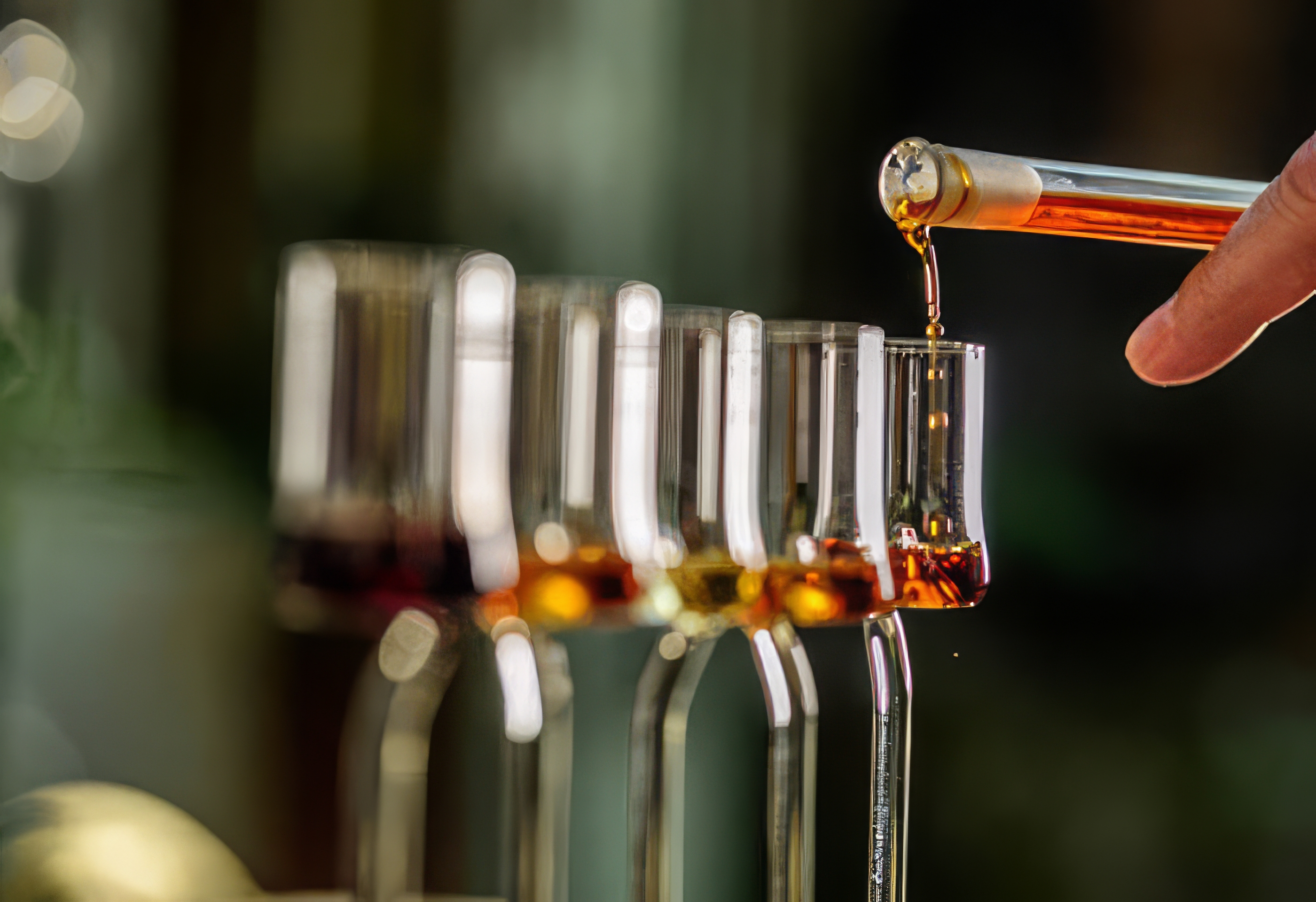
We began our tasting with "Ficus, the Fig," mild, fruity, and balsamic, which set the tone for what was to come. Next came "Aperitifum Romanticum," herbal and exotic, carrying a touch of Mediterranean romance alongside seafood, soft cheeses, or pâtés. Our third sip was "Tears of Cleopatra," dark and balsamic, rich and luxurious, pairing beautifully with foie gras, oysters, or ripe cheeses. We ended on "Angel's Kissing the Night," aged for six years in barrique barrels and kissed with wild cherries, apricots, figs, and vanilla, soft, elegant, and fruity, an unforgettable finish to the tasting.
The culinary delights continued into the evening when we joined Uniworld's signature Progressive Dinner. Our group of ten was led by the head butler through a series of behind the scenes areas, with each course served in a different location.
We began in the wheelhouse after a glass of champagne, where the captain himself explained how the equipment operates and how the ship is navigated. Next, we descended to the galley, impressively spacious for a river cruise ship, where the chef showed us how meals are prepared and explained the protocols in place to prevent cross contamination for guests with special dietary needs. Our tasting featured a trio of spring rolls, vegetable, chicken, and fish, with a wine pairing.
We passed through the crew dining room and down the hallway lined with crew cabins before reaching the laundry room, a surprisingly efficient space where linens for the entire ship are processed daily. Here we were served carrot ginger soup topped with orange zest. We then visited the engine control room, where the ship's technical systems, engines, generators, HVAC, fuel, water, and waste, are monitored, and stepped into the engine room, a fascinating area normally off limits to guests. No food was served in these technical spaces.
Our next stop was the gym and pool area, where the well being coach introduced the morning mobility exercises and massage services available on board. Here we were served crispy panko prawns with garlic lemon aioli. We concluded our culinary journey in the vintage room, where the main course, sirloin steak, and dessert were served. It was the perfect ending to a day filled with exceptional experiences.
Experiences like this are exactly why I keep coming back to boutique river cruising, and why I love helping clients choose the itinerary and cabin category that puts them in the middle of moments like this one. If a behind the scenes evening like this sounds like your kind of travel, reach out and let's talk about which Uniworld sailing fits you best.
Read More Here: Why I love a luxury ship
Travel Tip: Pay attention to special onboard programs, whether a ship tour, a wine or spirit tasting, or a unique dinner event. Capacity is often limited, and these experiences are well worth signing up for. Sometimes the on-ship options such as the Progressive Dinner, and others are not widely advertised, or if you are not reading your daily informtion closely, you could miss an opportunity.
Day 5: Rüdesheim to Boppard
In the morning of day five, the ship docked in Rüdesheim, a picturesque riverside town as rich in history as it is in wine. Once a northern frontier of the Roman Empire, Rüdesheim now charms visitors with cobblestone streets and scenic vineyards.
Excursion options included the Rüdesheim mini train, guests could board a cheerful little train directly from the ship for a narrated ride through town, followed by free time to explore Rüdesheim's shops, cafés, and the famous Drosselgasse, a historic alleyway, on foot.
We chose the alternative option, a visit to RheinWeinWelt, meaning Rhine Wine World. Set inside a historic cellar complex, it features 14 creatively designed wine caves, each dedicated to a different winemaker or theme. On arrival, we received 10 tokens to exchange for tastings from a selection of over 160 wines, including crisp Rieslings, bold reds, and sparkling varieties. The visit was self guided, with tasting notes and background information in each chamber, allowing us to explore at our own pace. For many travellers, RheinWeinWelt is more than a fun detour, it is often described as "the Las Vegas for wine lovers," thanks to its playful tasting system and glittering historic setting.
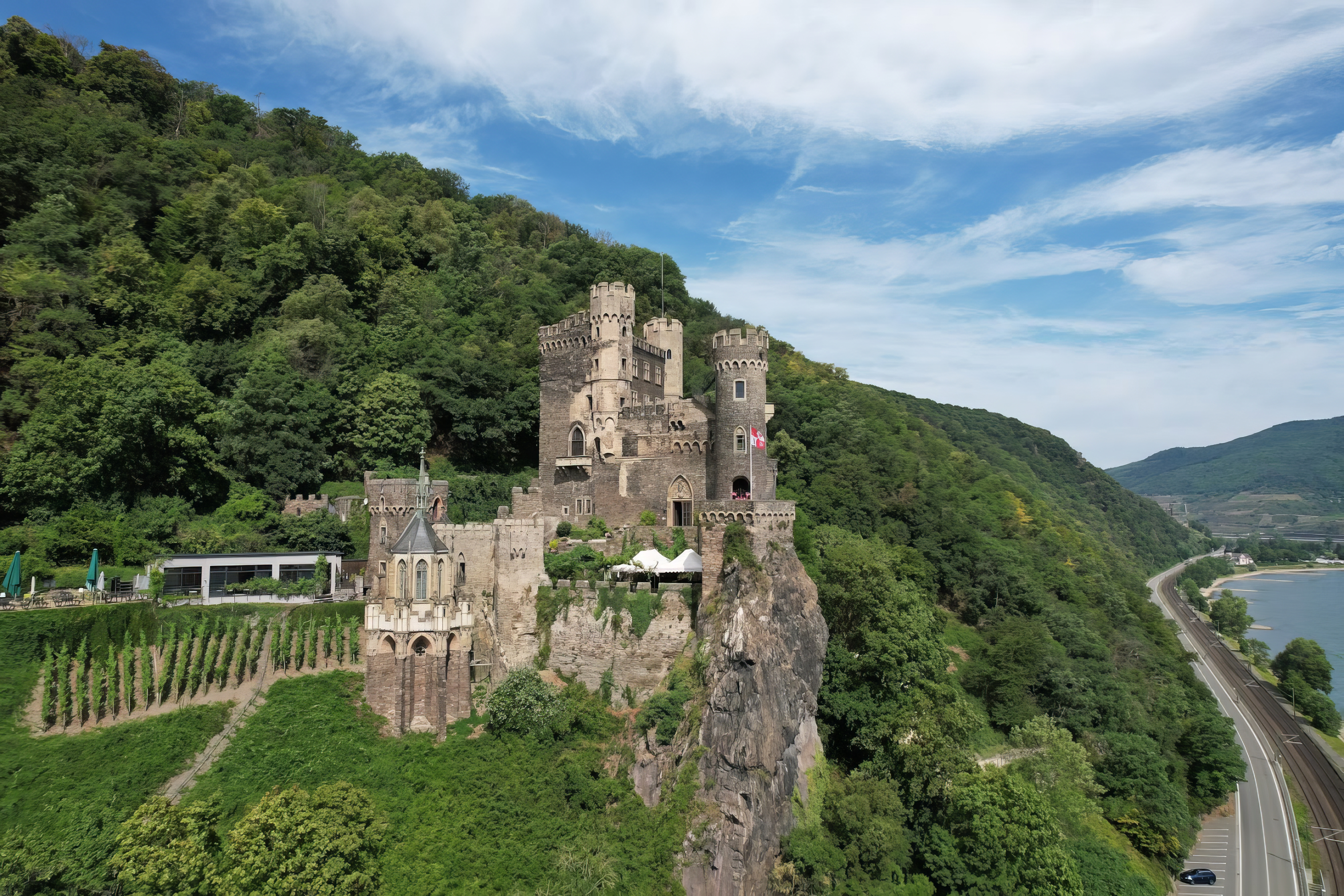
The ship set sail around lunchtime for Boppard, where we docked overnight. During this leg of the journey, we passed through one of its most iconic stretches, the Upper Middle Rhine Valley, a 31 mile section of the river recognized as a UNESCO World Heritage Site. As the Rhine wound and twisted through the valley, each turn revealed another breathtaking view, steep terraced vineyards, half timbered villages, and hilltop castles that seem lifted from a fairytale.
Among the many castles in this region, a few examples stand out. Rheinstein Castle, built in the early 14th century, now houses a museum and serves as a wedding venue. Stahleck Castle, dating back to the 12th century, today operates as a youth hostel overlooking Bacharach and the Rhine Gorge. Pfalzgrafenstein Castle, a 14th century toll castle on a rocky island near Kaub, is accessible only by boat and preserved today as a museum. And Marksburg Castle, a 12th century fortress, is the only hilltop castle on the Middle Rhine never destroyed, it serves as the headquarters of the German Castles Association and is open year round for tours.
Stretches of river like this are the reason I tell clients that a river cruise takes you through a country, not just to it. If watching castles like these drift past your own balcony sounds like the trip you have been waiting for, I would love to help you plan it.
With the majestic castles and vineyards of the Rhine behind us, our journey turned toward one of Europe's most enchanting waterways, the Moselle River, celebrated for its winding curves, storybook villages, and world class Riesling. The river's meanders create steep, south facing slopes that capture maximum sunlight in this cool climate. Combined with heat retaining slate soils, the Riesling grape develops vivid acidity, delicate fruit, and a distinctive mineral character. Fine Riesling can range from bone dry to lusciously sweet, and a well made sweet Riesling is every bit as complex, ageworthy, and food friendly as a dry one, sometimes even more so.
Travel Tip: For travellers seeking an in depth castle experience, some cruise itineraries, such as Uniworld's Remarkable Rhine, include guided visits inside at least one castle. Many other castles along the Rhine are not open for tours, they may be private residences, hotels, event venues, or closed for safety, preservation, or seasonal reasons. Always check your specific cruise program to see which castles are open for exploration during your trip.
Day 6: Koblenz
Day six marked the beginning of our Moselle adventure, with a stop in Koblenz, where the Moselle meets the Rhine. This town blends Roman origins, medieval charm, and modern life at every corner.
Excursion options included a 12 mile guided bicycle ride, but we chose the Koblenz walking tour to explore the old town. Highlights included the German Corner, the confluence of the Moselle and Rhine, crowned by the statue of Kaiser Wilhelm I, symbolizing German unity, the History Column, ten sculpted scenes illustrating over 2,000 years of Koblenz's history from Roman settlement to the present day, and the Spitting Boy Fountain, a quirky old town landmark whose unpredictable sprays of water are meant to surprise passersby, reflecting the city's playful spirit and sense of humour.
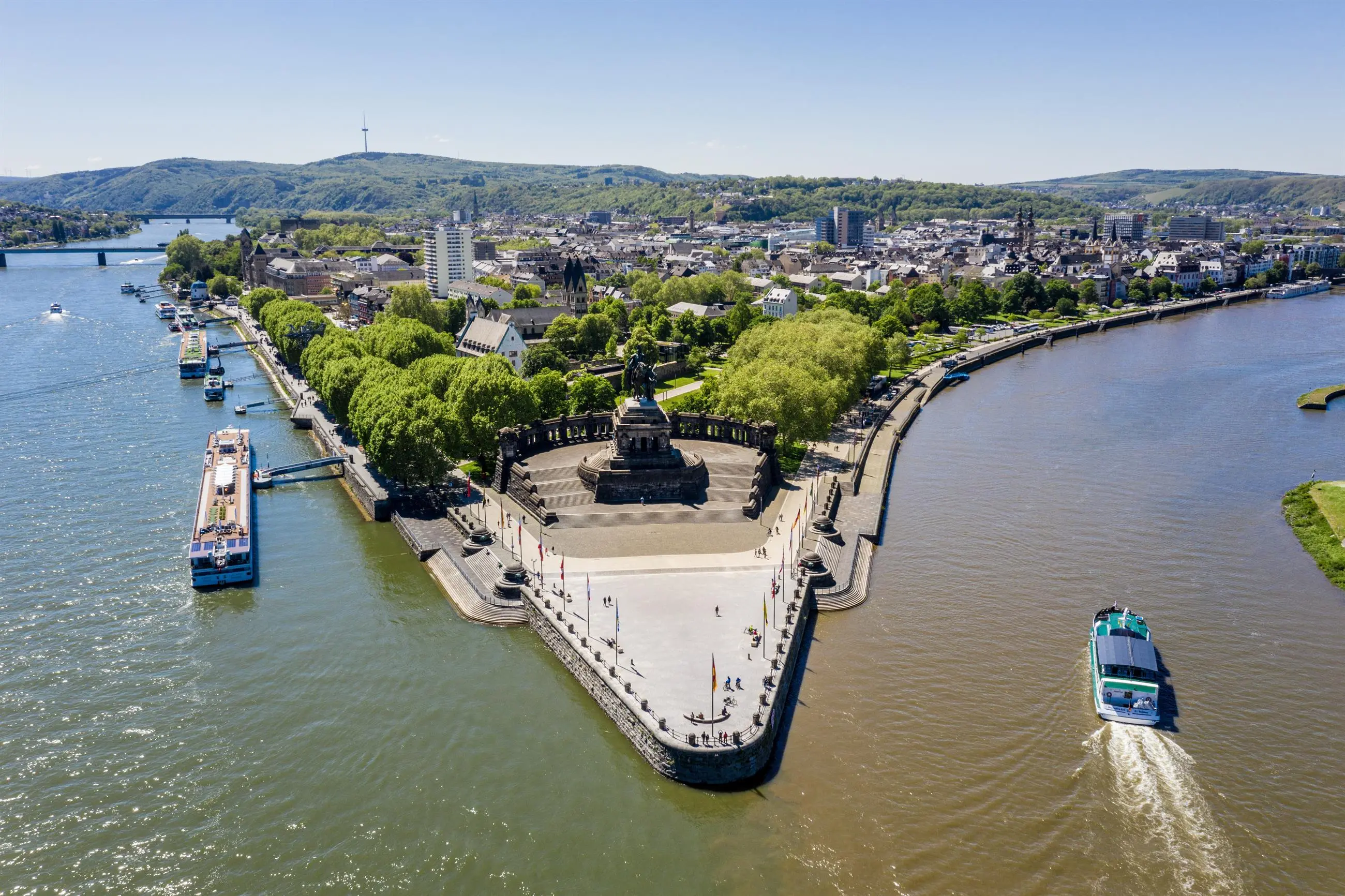
After lunch back on the ship, we explored further on our own and took the scenic cable car ride, gliding 890 meters across the Rhine to Ehrenbreitstein Fortress. Perched high above the rivers, this vast 19th century Prussian stronghold was never attacked, making it one of Europe's best preserved fortresses. Today it houses museums and cultural exhibitions and offers sweeping panoramic views of Koblenz, the rivers, and the surrounding valleys.
Travel Tip: Many river cruise lines provide bicycles for guided tours or independent use. Helmets are always included and required, and a waiver must be signed acknowledging the risks of cycling, a standard safety measure. If you have not cycled in a while, be aware that even gentle rides can leave you with sore muscles the next day.
Day 7: Bernkastel
Bernkastel was our next stop, right in the heart of the Middle Moselle wine region. The town charms visitors with its medieval market square and half timbered houses, it feels like a village frozen in time.
Excursion choices included a leisurely 14 mile bike ride along the riverside path, but we opted for a guided village walk through Bernkastel followed by a tasting of regional Moselle wines. As we followed our guide through the winding streets, we came to an unexpected highlight, the legendary Doctor cellar, standing directly beneath one of Germany's most famous vineyards.
The bronze door of the Doktorkeller tells the legend. In the 14th century, the Archbishop of Trier was gravely ill. Doctors and medicines failed, but after drinking Riesling from this very slope, he recovered. He called the wine his true doctor, and ever since the vineyard has been known as the Bernkasteler Doctor. The vines above are part of that legendary site. It is tiny, just 3.25 hectares, less than eight acres, which makes every bottle rare.
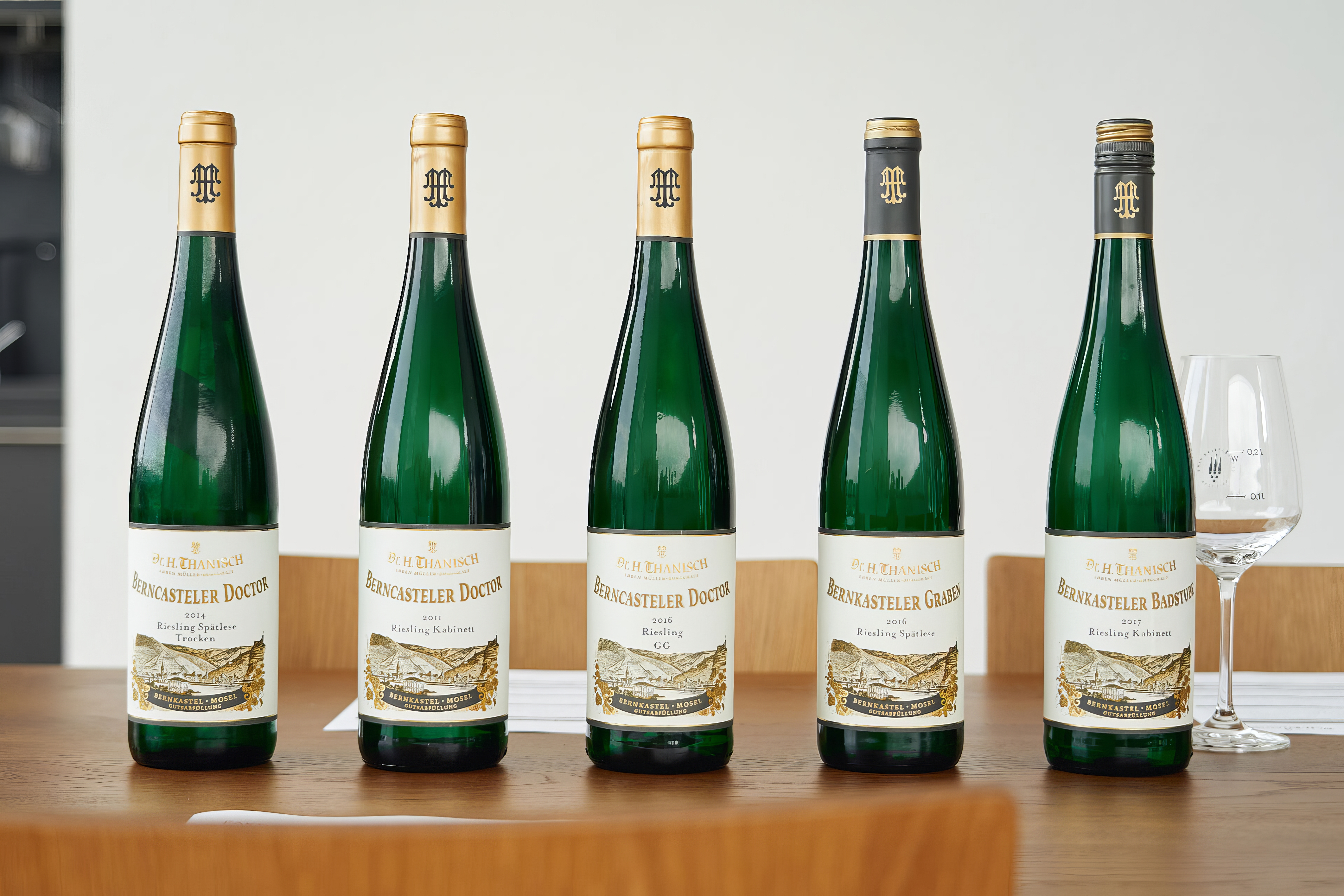
At one time, this was the most expensive vineyard land in Germany, rivalling even Bordeaux and Burgundy at auction. Owning a piece of this hillside was like holding liquid gold. The Dr. H. Thanisch family has been producing Riesling here for more than two centuries. Their wines from the Doctor Vineyard remain among the most sought after in Germany, celebrated for their ability to age gracefully for decades. Standing there felt like standing at the foot of one of the world's great wine legends, a vineyard born from a miracle, treasured for its rarity, and still producing Rieslings worthy of its name, The Doctor.
Travel Tip: River cruising, like all forms of travel, can be affected by unexpected conditions. Water levels that are too high or too low may prevent ships from navigating certain stretches of the river. Locks can sometimes cause delays, and river traffic or limited docking space may also change the schedule. The key is to stay flexible and embrace the moment. For example, if your ship cannot dock at a scheduled port but you still want the river experience, local excursion boats often operate nearby. For just a few euros, you might enjoy a short regional cruise instead. Think of it not as a disruption, but as an opportunity to experience the river from a new perspective.
Read More Here: The Realities of River Cruising - Water Levels and More…
Day 8: Trier and Luxembourg
Our journey continued to Trier, often called Germany's oldest city, where history is etched into every stone. Founded by the Romans in 16 B.C., Trier grew into one of the great cities of the empire. Today it offers a striking mix of Roman ruins, medieval cathedrals, and lively modern streets.
On the Trier walking tour, guests could explore Porta Nigra, the massive Roman city gate built around 170 A.D. and still standing nearly 2,000 years later, the Imperial Baths, an ambitious but unfinished Roman bath complex that reveals the scale of imperial engineering, and Karl Marx's house, birthplace of Karl Marx, whose writings, including The Communist Manifesto, shaped modern political thought.
Instead of exploring Trier, we chose another path, crossing into the small yet remarkable nation of Luxembourg. Though modest in size, Luxembourg has long stood at the crossroads of Europe.
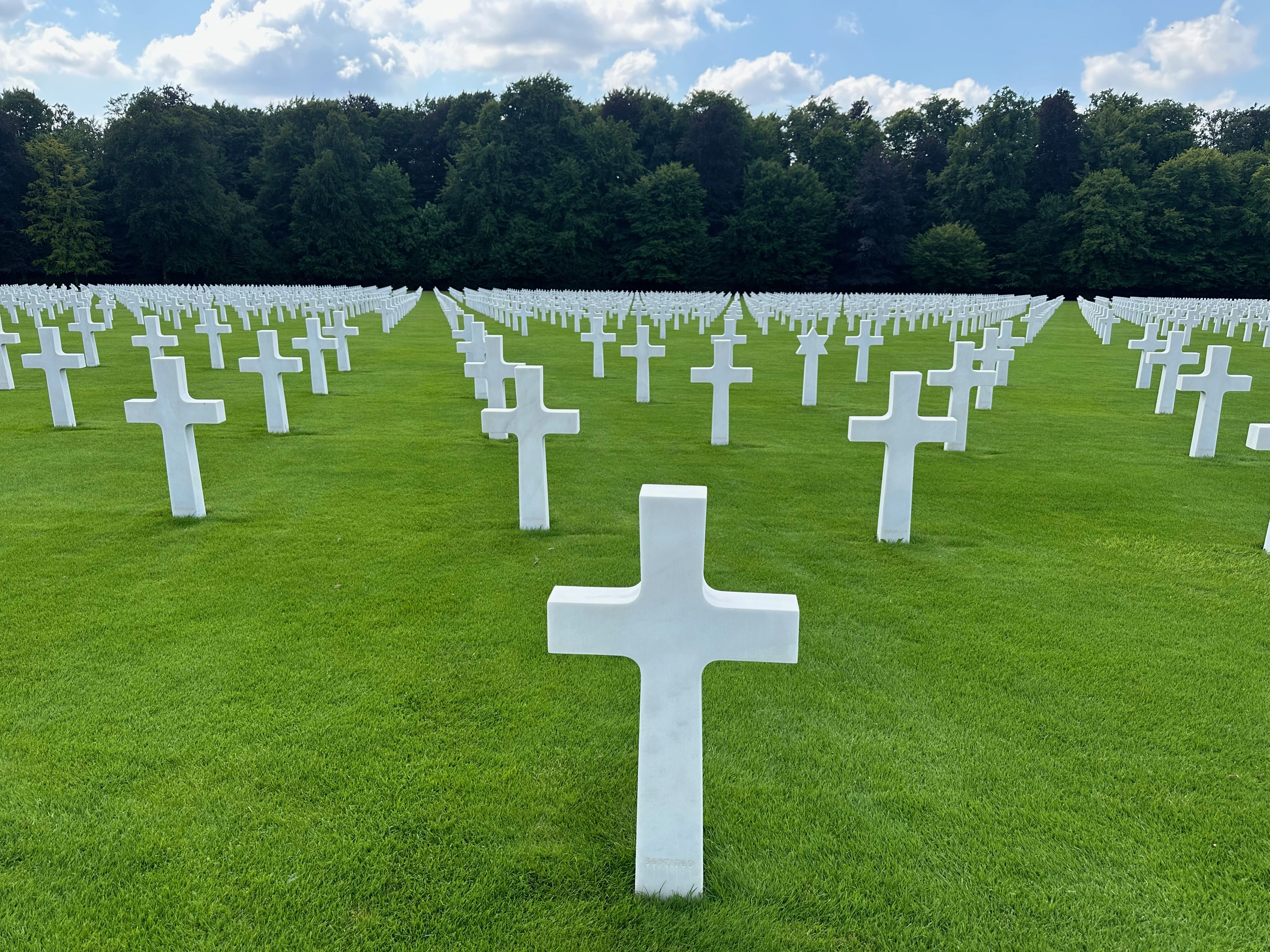
Our first stop was the Luxembourg American Cemetery and Memorial. Across 50 acres of immaculate lawns lie more than 5,000 U.S. service members, most of them young men, who lost their lives during the Battle of the Bulge. At the center rests General George S. Patton, commander of the U.S. Third Army, whose troops liberated Luxembourg in 1944. Walking among the white marble crosses and Stars of David is profoundly moving, a place of solemn silence, where the weight of history and sacrifice is deeply felt.
From this quiet ground, we continued into Luxembourg City for a panoramic tour. Rising above dramatic cliffs, the city presents a striking contrast, with medieval fortifications alongside modern towers of glass and steel. We explored Notre-Dame Cathedral, built in the early 1600s, the Grand Ducal Palace, still the residence of Luxembourg's royal family, and the Golden Lady monument, a gilded statue atop an obelisk symbolizing freedom and resilience. Later, we enjoyed lunch and shopping at our own pace, surrounded by the hum of daily life, a light and relaxed atmosphere, a fitting balance to a day that began with solemn remembrance.
Travel Tip: On luxury cruises, dining is more than a meal, it is a five star experience from the artistry of presentation to the richness of flavour. Menus are a guide, not a limit. You are welcome to mix and match, order more than one appetizer, try two entrées in smaller portions, or enjoy several desserts. If you would like your entrée served as a starter, or a favourite sweet in a smaller size, the galley will gladly adjust. This flexibility extends to beverages as well, if the wine pairing does not appeal, the sommelier will offer alternatives from the cellar. And when it comes to cocktails, do not hesitate to specify your preferred ingredients, for instance, request a gin and tonic made with a particular gin or brand of tonic.
Day 9: Cochem
Waking up in Cochem feels like stepping into the pages of a fairytale. Pastel coloured buildings line the riverbank, vineyard draped hills rise on every side, and high above it all stands the imposing Reichsburg Castle, watching over the Moselle Valley. This is truly one of Germany's most picturesque small towns.
Among the excursion choices was a walking tour of Cochem, yet we decided to venture further afield on a hike to the Geierlay Suspension Bridge. Step by step across the bridge, we were surrounded by sweeping views and a quiet remoteness that made us pause, breathe, and feel utterly alive.
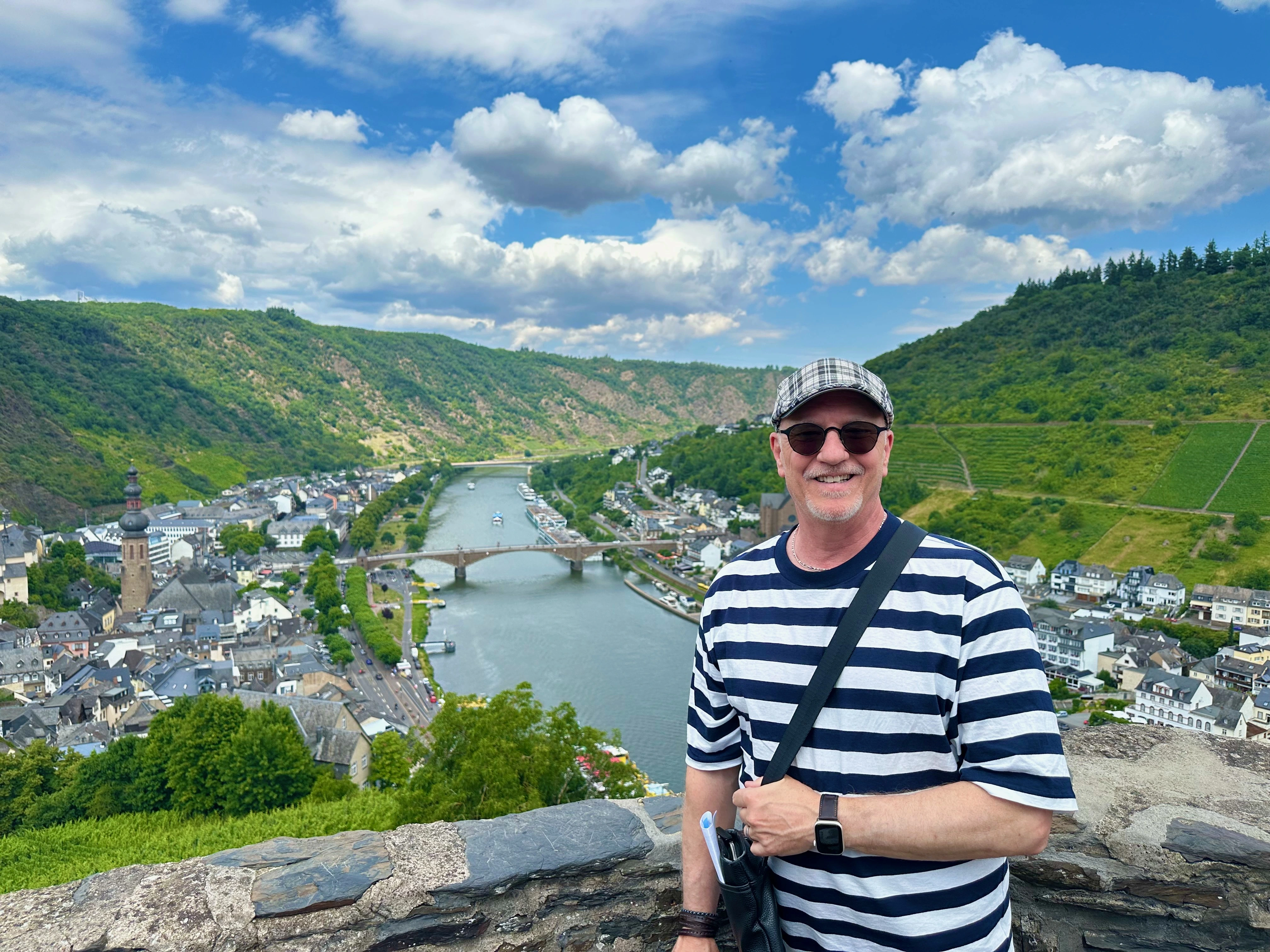
Later that day, we still made time for the castle on our own terms. A local Reichsburg shuttle picked us up from the bus station and carried us up the steep hill to the castle gates. For just a few euros, we joined the English language guided tour. Reichsburg's story stretches back to the 12th century, when it stood as a fortified toll station overlooking Moselle River traffic. In 1689, it was destroyed by French troops, only to be brought back to life in the 19th century as a Neo Gothic masterpiece, an expression of romantic architecture and imagination. Outside, the reward was even greater, sweeping views of the Moselle, winding like a silver ribbon through vineyard covered hills.
Travel Tip: Be curious, be adventurous. Do not be afraid to use local transportation and explore independently. A simple city map from the reception desk is always helpful, and if language feels like a barrier, your smartphone can be your best companion. Translation apps today work remarkably well, from reading a street sign to translating museum descriptions. For example, when we bought our shuttle ticket up to Reichsburg Castle, we were not entirely sure the driver understood that we wanted a one way ticket rather than round trip. A quick check in the app translated Einzelfahrschein as "one way journey ticket," giving us peace of mind.
Day 10: Cologne
With the Moselle behind us, we returned to the Rhine, following its broad course north toward Cologne, one of Germany's oldest cities and the largest along the river.
Excursions here included a walking tour with beer tasting, but since we had been to Cologne a few times before, we decided to try something different. We followed our local guide, boarded tram number 9, and stepped off at Kalk Post station. What most commuters do not realize is that behind these ordinary subway walls lies one of Cologne's most unusual secrets, a Cold War nuclear bunker hidden in plain sight beneath the station.
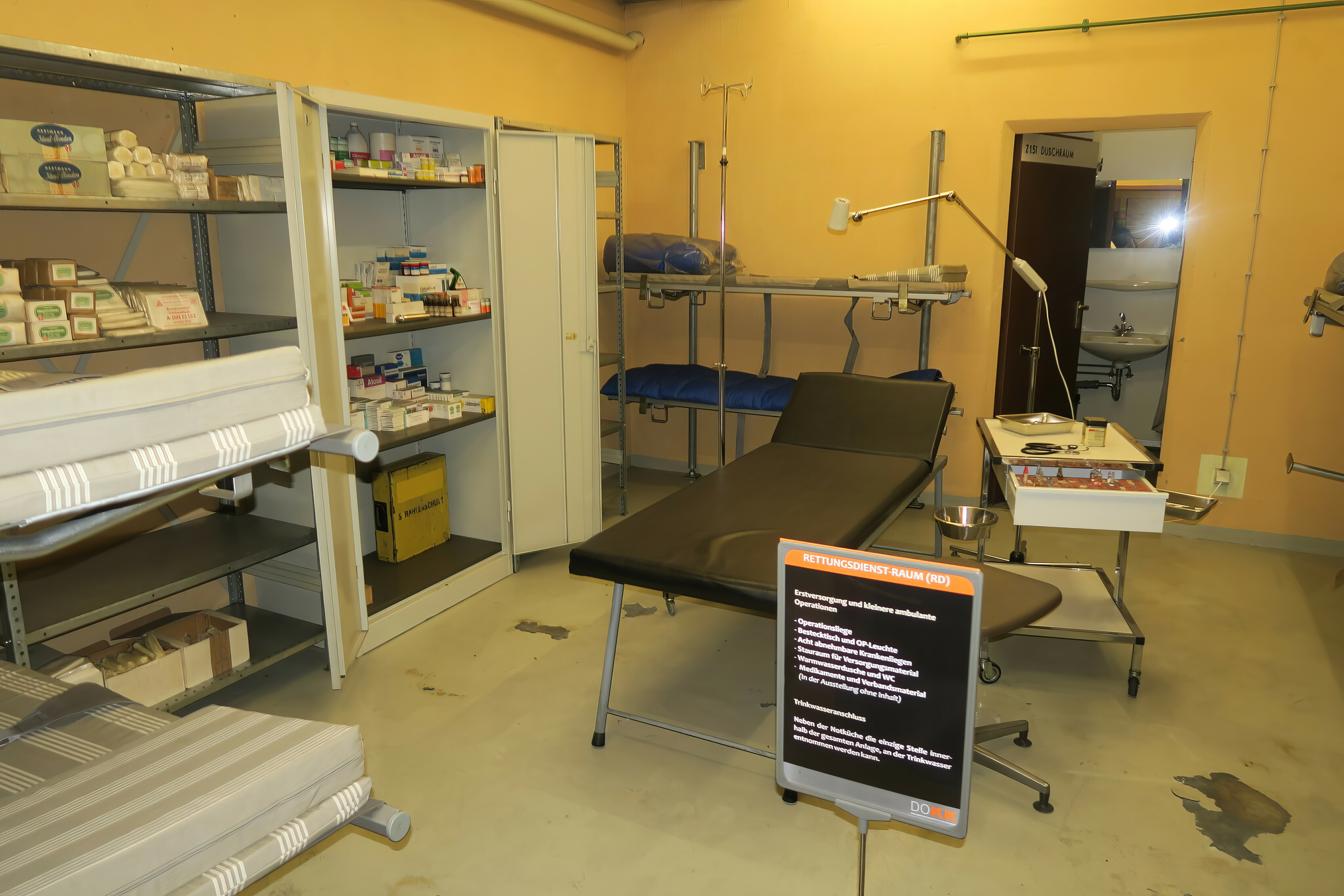
Built in 1979, it was designed to seal off thousands of people from shockwaves, radioactive dust, or chemical attack. The bunker could hold exactly 2,366 people, each with their own bunk crammed side by side, with just 1.7 square meters of space per person. To keep everyone alive for up to 14 days, there was a kitchen and food storage, meals would have been basic, but rationed carefully to stretch the supplies. The bunker had its own deep well and water treatment system, completely independent of the city's supply. Washrooms and toilets were simple, but they allowed for basic hygiene during two weeks underground. Air filters were among the most critical systems, able to block fallout particles, chemical agents, and even biological threats. From the control room, staff monitored airflow, water, and power to keep everyone alive.
This bunker was one of ten planned for Cologne but the only one actually completed. It was decommissioned in 2005. Today it survives as the Cold War Documentation Center, a hidden reminder of a world that once lived under the shadow of nuclear war.
In the evening, Uniworld treated us to a special night out excursion at the Cologne Triangle Observation Deck. From nearly 100 meters above the city, we enjoyed sweeping 360 degree views. The final highlight of the day came just before midnight, when the ship set sail from Cologne, a chance to watch the city sparkle against the dark sky.
Travel Tip: In Europe, public washrooms often charge a small fee, usually between 50 cents and one euro. Facilities are not always easy to find, so ask your tour guide or look for restrooms in fast food restaurants or coffee shops. If you do not have coins ready before departure, check with your ship's reception desk.
Day 11: Düsseldorf
On day 11, we arrived in Düsseldorf, the final German city on our itinerary. While some guests chose the bike tour, we opted for the walking tour with Altbier tasting.
Düsseldorf is a city of contrasts and surprises. It is home to the largest Japanese community in Germany and one of the largest in Europe. Beginning in the 1950s, Japanese companies established their European headquarters here, drawn by the city's industrial strength, central location, and excellent transport links. The city also enjoys a playful rivalry with nearby Cologne, often expressed through football and beer.
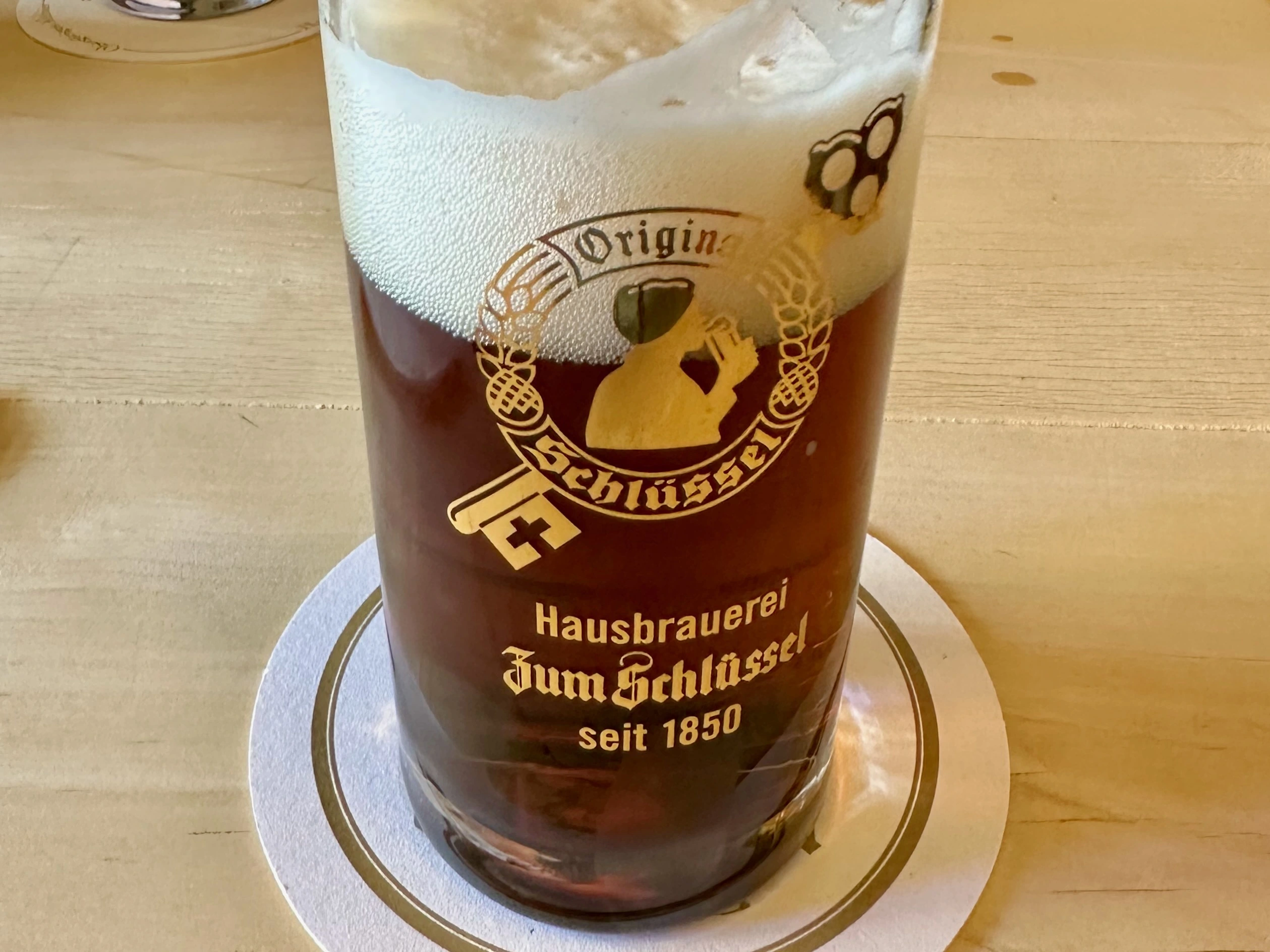
The Altstadt, or Old Town, may cover only a few blocks, but with more than 300 bars and breweries, it has earned the nickname "the longest bar in the world." After lunch on board, we continued exploring on our own, a walk along the Rheinuferpromenade revealed wide river views, sculptures, and lively cafés. Just a short distance from the ship's dock lies Düsseldorf's modern architectural district, home to the striking Neuer Zollhof buildings designed by Canadian American architect Frank Gehry.
At 6 p.m., we gathered on the sundeck for one of Uniworld's signature traditions, the sail away sabring ceremony. It was a dramatic and elegant farewell to this vibrant city, marking the perfect close to our time in Germany.
Travel Tip: A river cruise is not just for seniors. As you have seen so far, it appeals to travellers of all ages who love nature, culture, and discovery. Luxury river cruise lines design excursions for all paces, walking tours often split into groups for both fast and slow walkers, and daily activities range from light to more active, so there is always something to match your energy. Think of the ship as a moving luxury hotel, it carries you from destination to destination, sparing you the hassle of constant packing and unpacking. Instead, you settle in once and let the scenery and culture come to you.
Read More Here: River Cruising and Active Adults
Day 12: Roermond
On day 12, as we sailed toward Roermond in the Dutch province of Limburg, our cruise manager delivered one of the most memorable moments of the journey, a signature talk titled "Behind the Iron Curtain: Post War Germany." Born in East Germany, she spoke not from a textbook, but from experience, life under surveillance, moments of quiet fear, and the joy when Hans-Dietrich Genscher announced in Prague that East German refugees would finally be allowed to leave for the West. It was heartfelt and unforgettable.
That afternoon, instead of the bike tour along the Meuse River, we joined the walking tour through the historic center. The city is compact and inviting, perfect for slow exploration. One of the intriguing discoveries was the Het Arresthuis Hotel, built in 1863 as a prison. It closed in 2007 and has since been transformed into a luxury hotel, with former cells converted into stylish rooms, making it one of Europe's most distinctive places to stay. The city is also known for its designer outlet, the largest luxury outlet center in Western Europe.
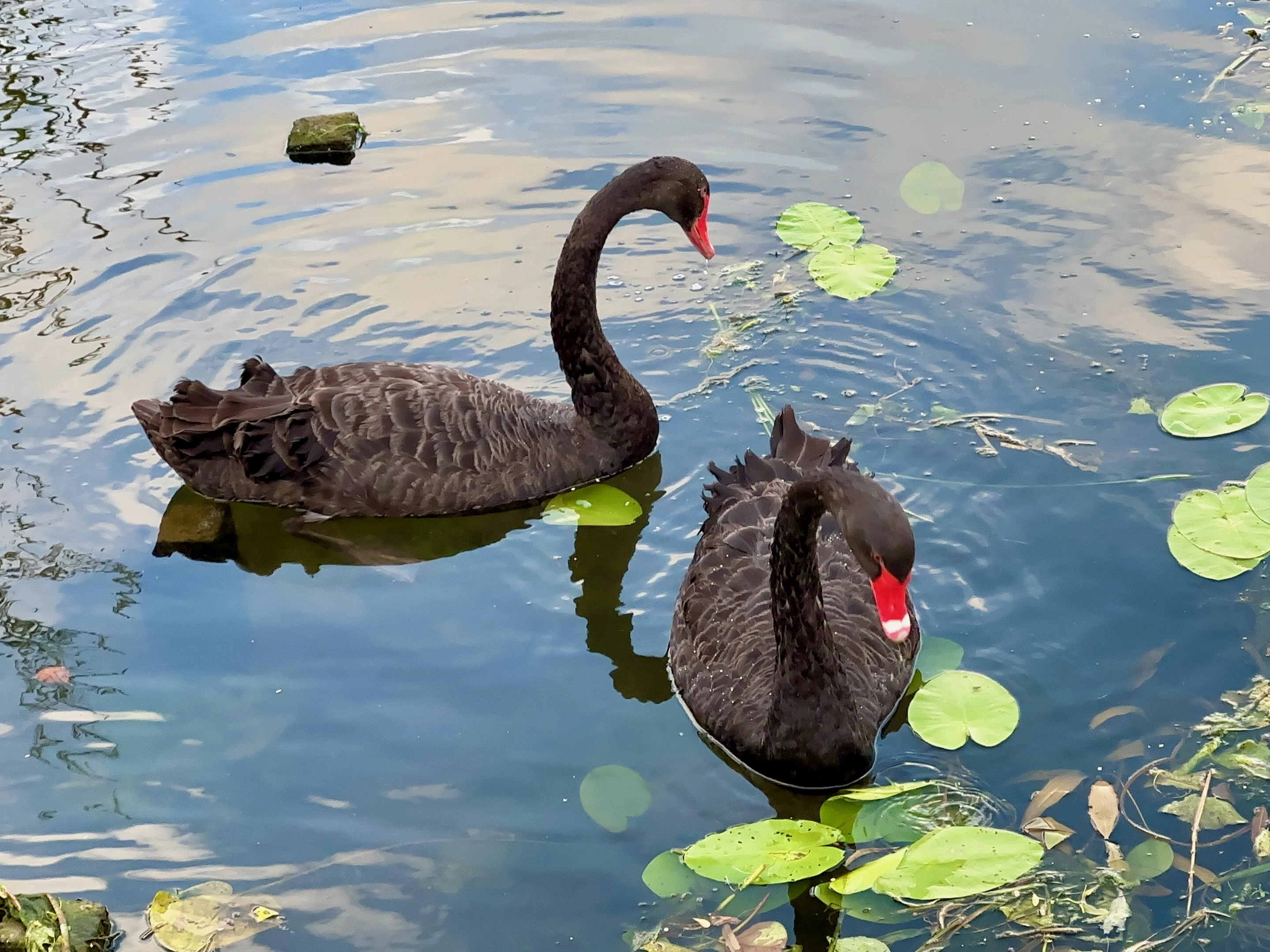
But the true highlight was completely unexpected. From the moment we arrived until dinner, black swans glided along the river beside our ship, rare, graceful, and hauntingly beautiful. They felt like a quiet gift from the universe, an unforgettable end to the day.
Travel Tip: In many European cities, feeding wild animals like swans, ducks, or pigeons is discouraged or even prohibited. It may seem harmless, but it can lead to overpopulation, dependency on human food, pollution, and even the spread of disease. That is why local authorities sometimes issue fines, often around 50 euros, for feeding animals in parks or along waterways. The best way to enjoy them is to watch respectfully, follow posted rules, and help keep these beautiful creatures healthy and wild.
Day 13: Maastricht
Our next stop was Maastricht, a city that gained international fame through the Maastricht Treaty of 1992, the agreement that created the European Union and laid the foundation for the euro.
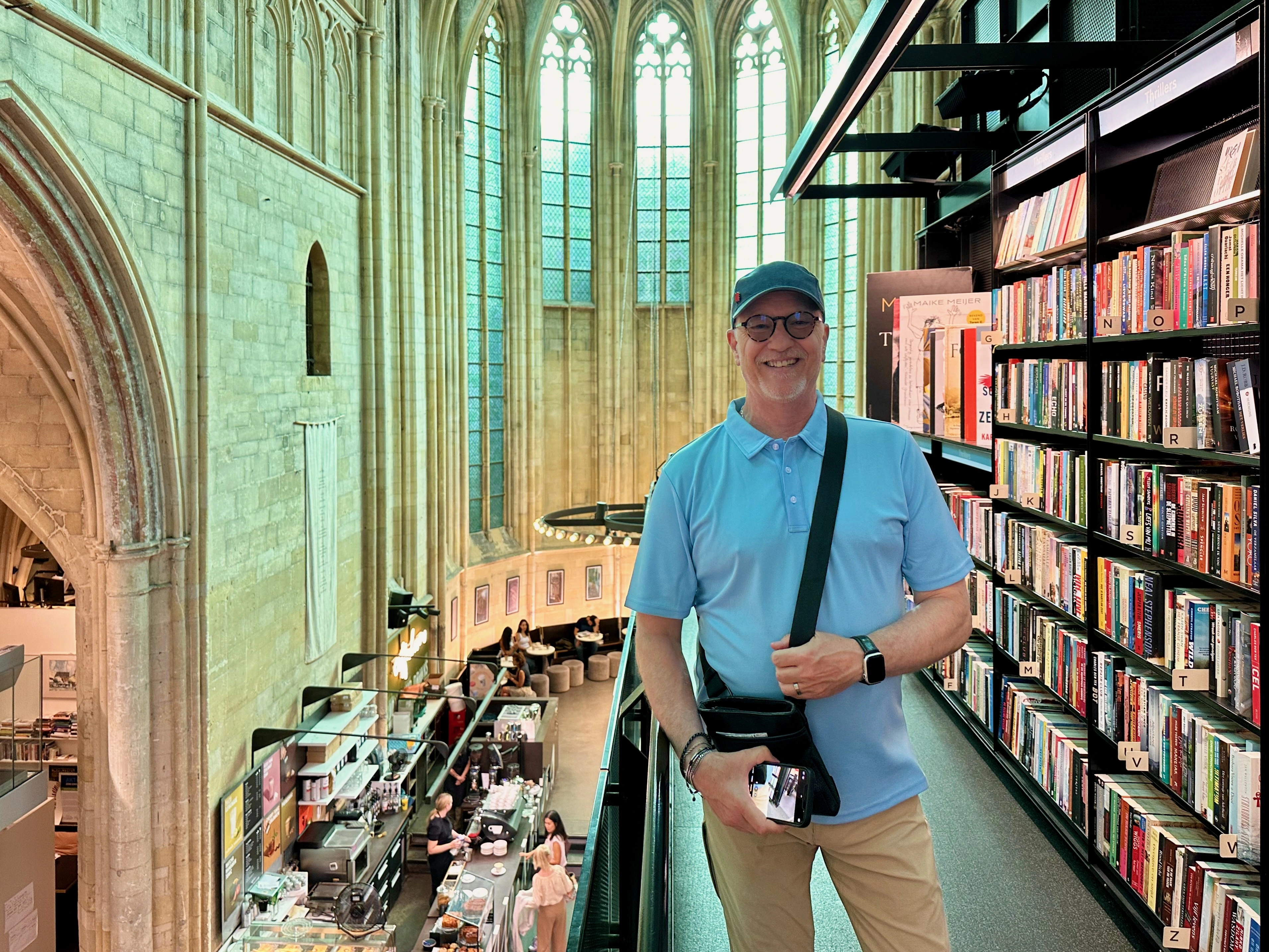
We joined the walking tour, beginning in the Stokstraat Quarter, where boutique shops, narrow lanes, and historic facades give the city its charm. Remnants of its 700 year old city walls still stand as a reminder of its medieval past. One of the most memorable stops was Boekhandel Dominicanen, often called one of the most beautiful bookstores in the world. Inside a 13th century Dominican church, sunlight pours through stained glass windows. Once a sacred space, it is now a sanctuary for readers, with more than 50,000 titles to explore.
Another highlight was the Basilica of Saint Servatius, the oldest surviving church in the Netherlands. Its red painted tower, coloured with iron oxide pigment, has been a tradition since the Middle Ages, both protecting the stone and giving the church its dramatic presence in the city skyline.
That afternoon, Uniworld hosted a wine tasting event on board. Our sommelier guided us through a comparison of two outstanding red wines, each tasted directly from the bottle and again after decanting, to reveal how aeration changes aroma and flavour. The first was a 2021 Merlot called Solus, made by winemaker Gere Attila in Villány, Hungary, a powerful, yet refined single varietal Merlot from one of the country's most renowned winemakers, produced in a region often compared to Bordeaux. The second was a 2022 Télégramme from the Châteauneuf-du-Pape region of France, crafted by Domaine du Vieux Télégraphe, elegant and approachable, it comes from one of the most celebrated appellations in the Rhône Valley. Together, these wines created four distinct tasting experiences, a perfect way to transition into the evening.
Travel Tip: Some travellers hesitate to book a river cruise because they worry about laundry. In reality, luxury lines such as Uniworld provide complimentary, self service laundry facilities on board. For returning guests, the Heritage Club loyalty program adds an extra benefit, one bag of laundry per guest done through the ship's complimentary laundry service. In addition, today's active wear and many travel friendly fabrics are designed to dry quickly, making it simple to hand wash a few items in your stateroom if needed. With self service, professional laundry service, and smart packing, staying comfortable on a river cruise is effortless.
Day 14: Antwerp
Our final full day took us to Antwerp, Belgium's bustling port city. Known worldwide as the diamond capital, Antwerp is also a city of rich history, bold architecture, and irresistible flavours.
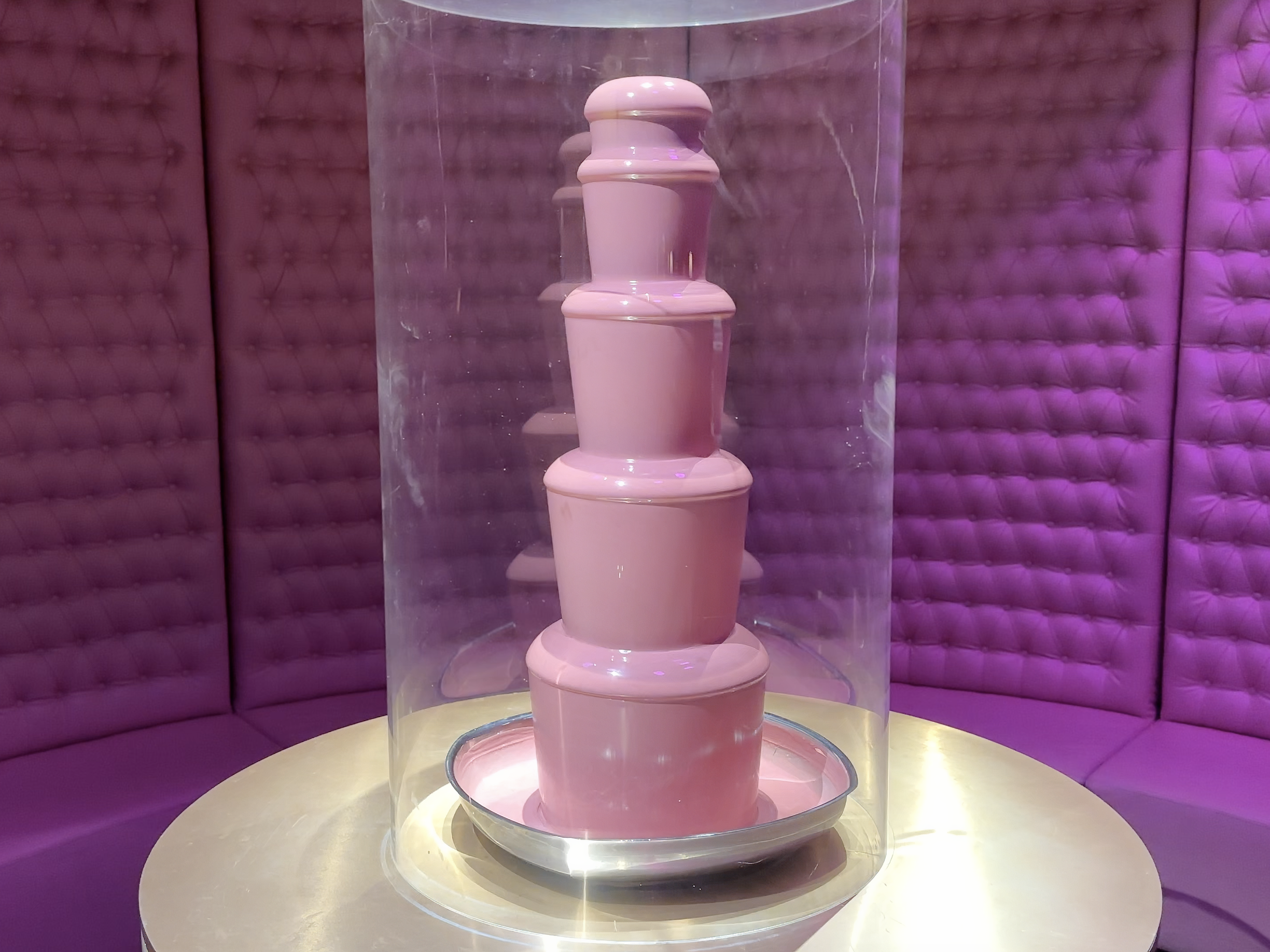
Rather than join the morning walking tour, we chose a different path, a visit to Chocolate Nation. Inside, we followed the fascinating journey of the cocoa bean, from equatorial farms in Ecuador, Brazil, and West Africa, through Antwerp's role as the largest cocoa port in the world, to the Belgian chocolatiers who transformed this humble bean into a national treasure. The museum was as indulgent as it was educational. We sampled our way through Belgium's chocolate heritage and even tried ruby chocolate, a relatively new variety introduced in 2017 by the Swiss company Barry Callebaut. Made from specially processed cocoa beans that naturally yield a pink hue, it contains no dyes or fruit additives. Its flavour is bright and slightly tangy, with hints of red berries like raspberries and currants, an unusual and intriguing addition to the chocolate world.
Back outside, our guide led us into the magnificent Antwerp Central Railway Station. Nicknamed "the Railway Cathedral," it earns the title with its soaring dome, sweeping staircases, and richly detailed stonework. Just beyond the station lies the diamond district, where traders, cutters, and jewellers from around the globe conduct business in one of the most concentrated diamond markets on earth.
The afternoon was ours to wander. Antwerp hums with life, fashion boutiques, historic squares, cafés, and street energy everywhere you turn. We made time for one more Belgian specialty, the famous cherry beer, that perfectly suits a summer afternoon.
As evening fell, we gathered one last time for the Captain's Farewell Reception and Dinner. It was more than a formal send off, it was a celebration of the journey itself, of the friendships formed, and of the crew whose dedication made every day seamless.
Travel Tip: The crew are the heart of a river cruise. They sail these waters week after week, often far from their families, working long hours to make your voyage special. Take the time to talk with them, to listen, to say thank you. Years from now, you may forget the exact taste of a beer or the details of a cathedral, but the warmth of those human connections often becomes the most enduring memory of all.
Day 15: Brussels, Disembarkation
Day 15 was disembarkation day. Although our Uniworld cruise ended in Brussels that morning, we chose to stay an extra day to experience this magical city, recognized as the de facto capital of both the European Union and NATO.
We arranged a private, custom walking tour with a local guide, born and raised in Brussels, who showed us the city through the eyes of a friend. We stepped into hidden corners of the city, seafood and butcher shops where locals shop daily, quiet cafés and restaurants tucked into narrow alleys, and a legendary jazz and cocktail bar where our guide once worked.
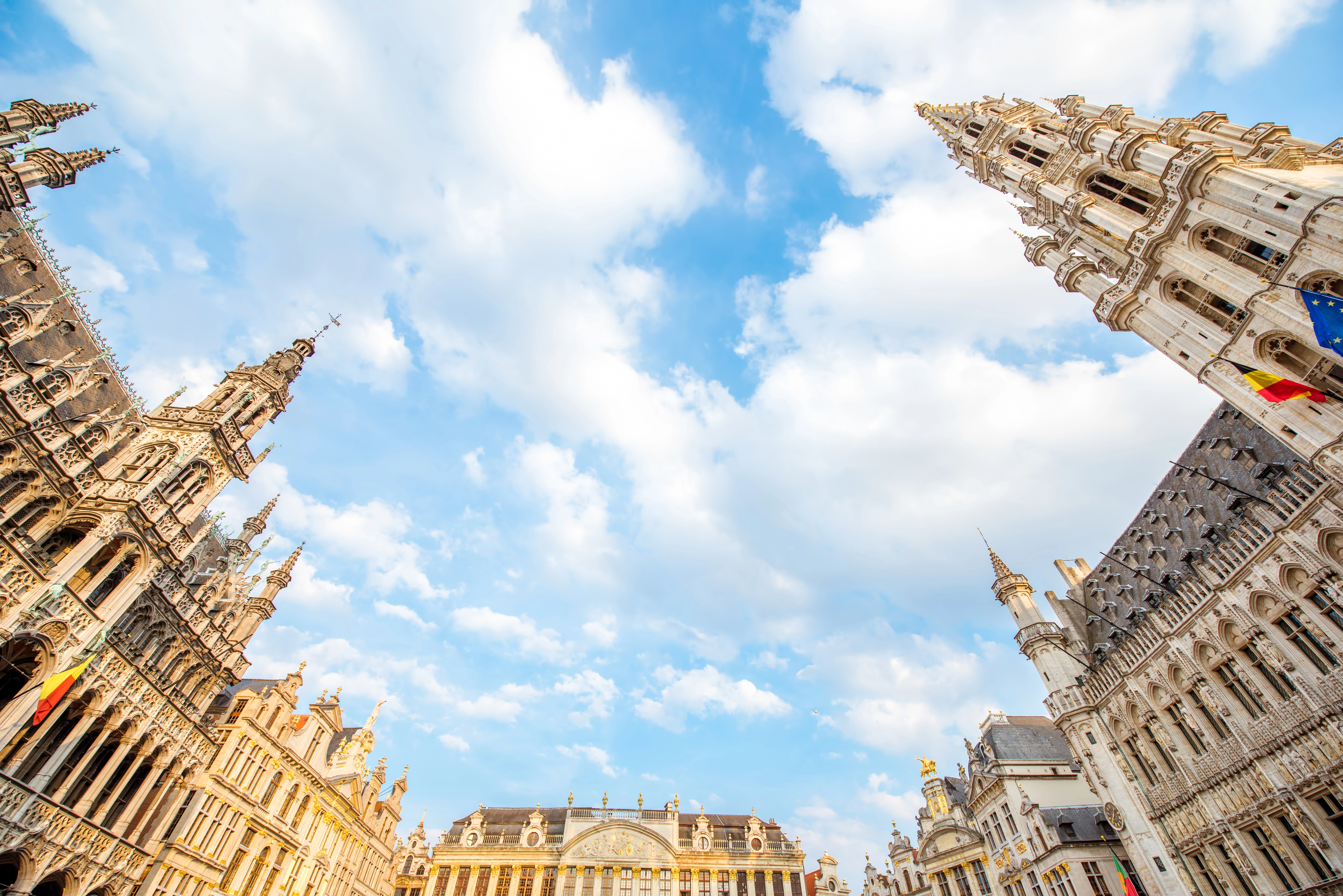
Of course, we also visited some of Brussels's most iconic sites. Manneken Pis, the city's cheeky little mascot, who is regularly dressed in different costumes, that day, he wore a Pierrot outfit. The Royal Saint-Hubert Galleries, Europe's first covered shopping arcade, lined with luxury boutiques, jewellers, cafés, and chocolate shops. In the Royal Quarter, the ceremonial heart of Belgium's monarchy, we walked past stately landmarks and cultural institutions. And no visit is complete without standing in awe at the Grand Place, surrounded by ornate guildhalls, the Town Hall, and the King's House, widely regarded as one of the most beautiful squares in Europe.
The tour concluded at the Place Poelaert elevator, a free lift that connects the upper and lower parts of the city. From the top, we enjoyed sweeping panoramic views over Brussels, a fitting finale to our extended stay.
Looking Back
As this river journey comes to an end, I am reminded that travel is more than visiting new places. It is an invitation to pause, to be present, and to see the world with fresh eyes.
My thanks go to the crew, the bus drivers, and the guides who made this trip seamless. And to our dear friends who shared the joy of the journey with us.
Fifteen days across three rivers and five countries is not something you plan casually, and this itinerary in particular sells out its best cabin categories well ahead of season.
If the Rhine, the Moselle, and this route to Brussels is calling you, reach out any time and let's talk about whether it is the right fit for your own next journey. I would love to help you plan it.
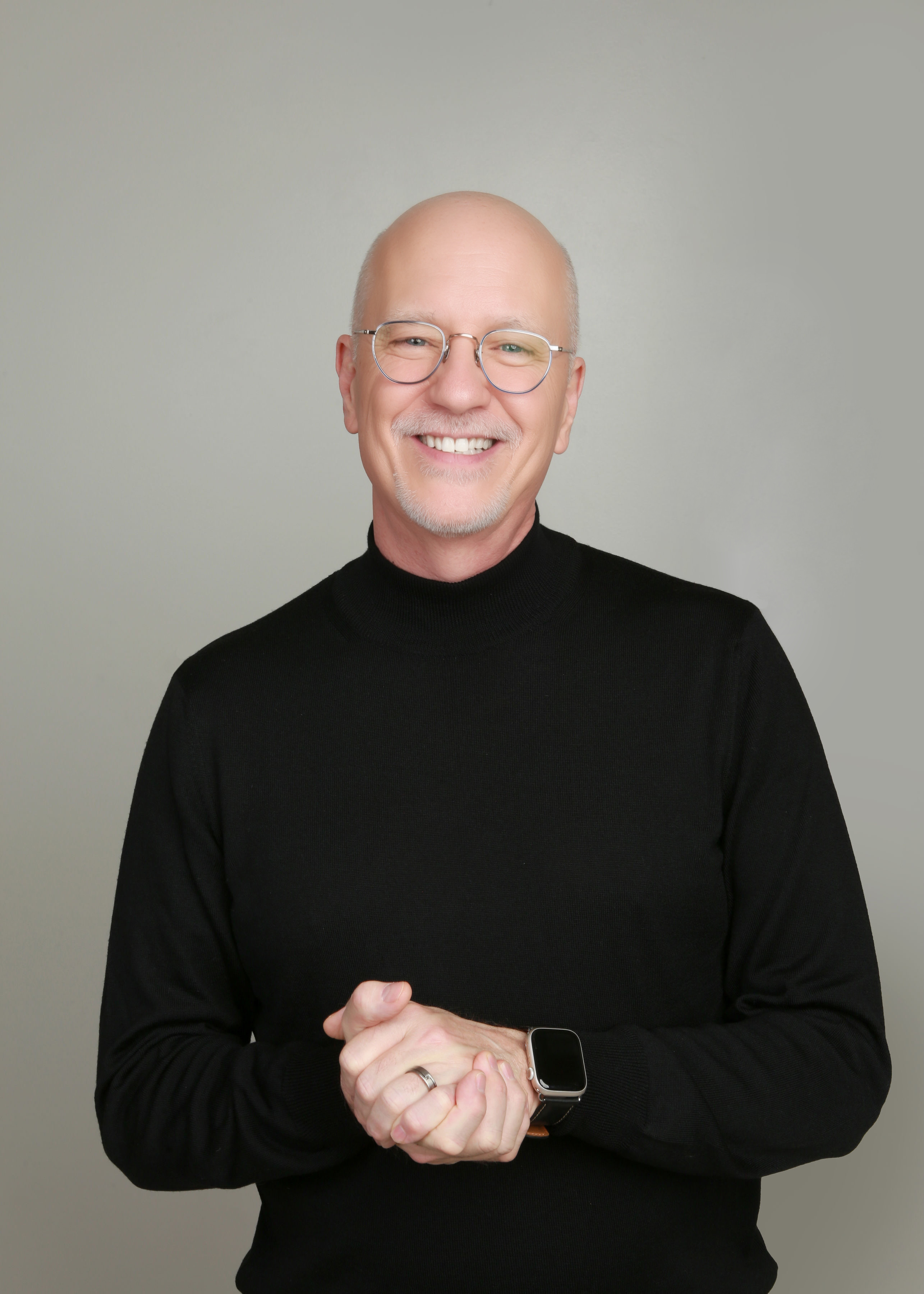
Ken Graham, Luxury River/Ocean/Expedition Cruise Specialist
kengraham@travelonly.com | 647-204-9974
"Amsterdam"
 Ken Graham
Sign up for our newsletter to learn about the latest product news and deals. Also receive exclusive offers, contest details and giveaways.