This article is part 8 of my Northwest Passage expedition series. One of the most common questions travellers have when they begin looking at Arctic expeditions is whether the experience is physically demanding — and the honest answer might surprise you.
How Physically Demanding Is an Arctic Expedition Cruise?
Some of the most common questions I receive from travellers who are curious about the Northwest Passage have nothing to do with wildlife or itineraries or the history of Arctic exploration. They are questions about fitness. Questions about age. Questions that begin with something like: "Is this the kind of trip I could actually do?"
That question matters, and it deserves an honest answer.
When people hear the words "expedition travel," there is often an instinct to imagine something rugged and physically demanding — ice climbing, extreme cold, long days of strenuous hiking in remote wilderness. The word expedition carries a certain weight. And understandably, some travellers who would otherwise be drawn to a journey like the Northwest Passage talk themselves out of it before the conversation even begins.
The reality is quite different from that image.
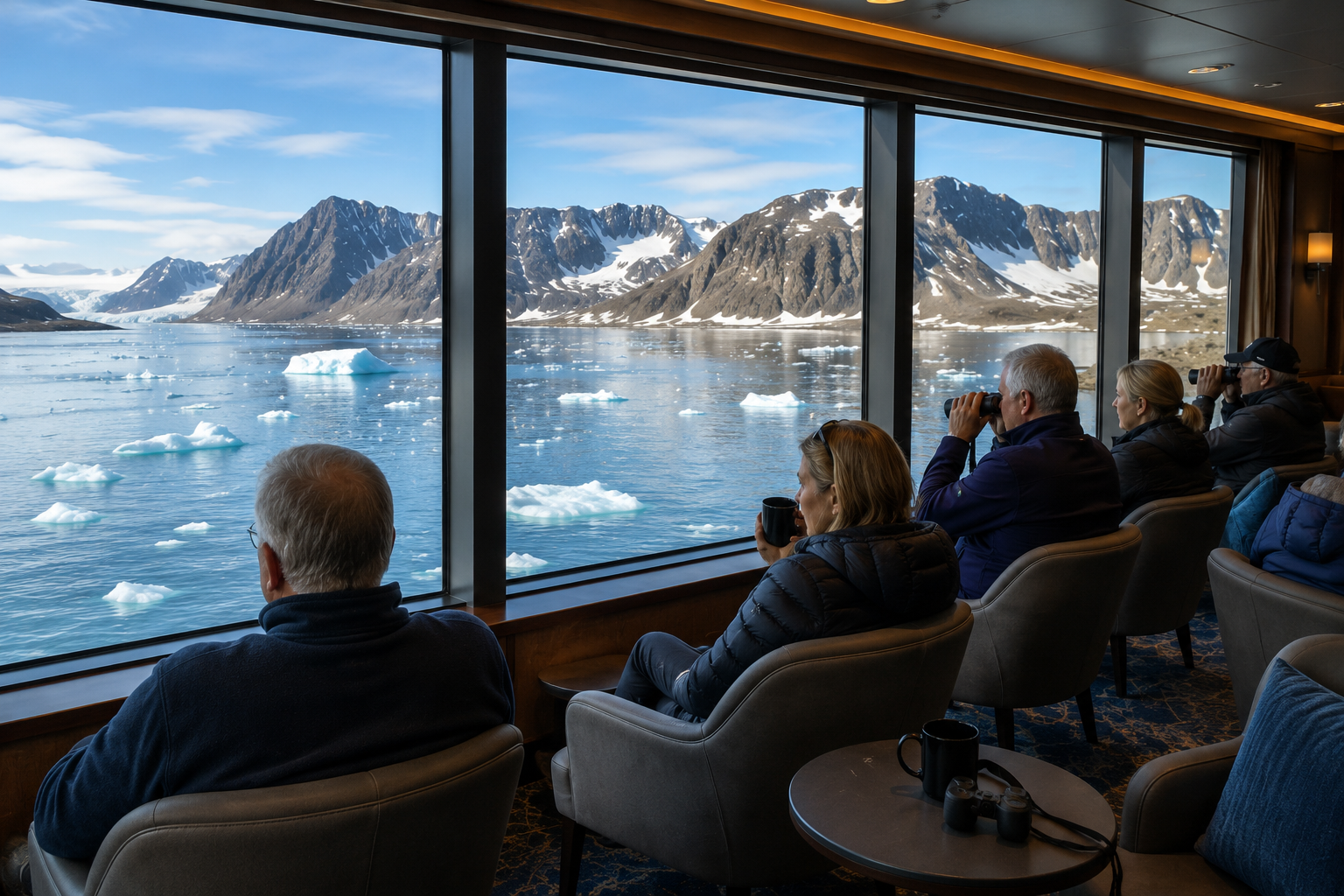
Modern expedition cruising is designed to accommodate a genuinely wide range of travellers. The ships used by operators like HX Expeditions are built for the Arctic, but they are also built for comfort. Onboard amenities, warm public spaces, lecture halls, and observation lounges mean that at any point during the voyage, guests who want to stay aboard are welcome to do exactly that. There is no obligation to set foot on land, and there is no single standard of participation that everyone is expected to meet.
What expedition cruising offers instead is a spectrum of experiences that guests can move along based on their own energy, interest, and mobility on any given day. That flexibility is one of the things that makes this style of travel so well-suited to a wide range of travellers.
Understanding the Activity Levels
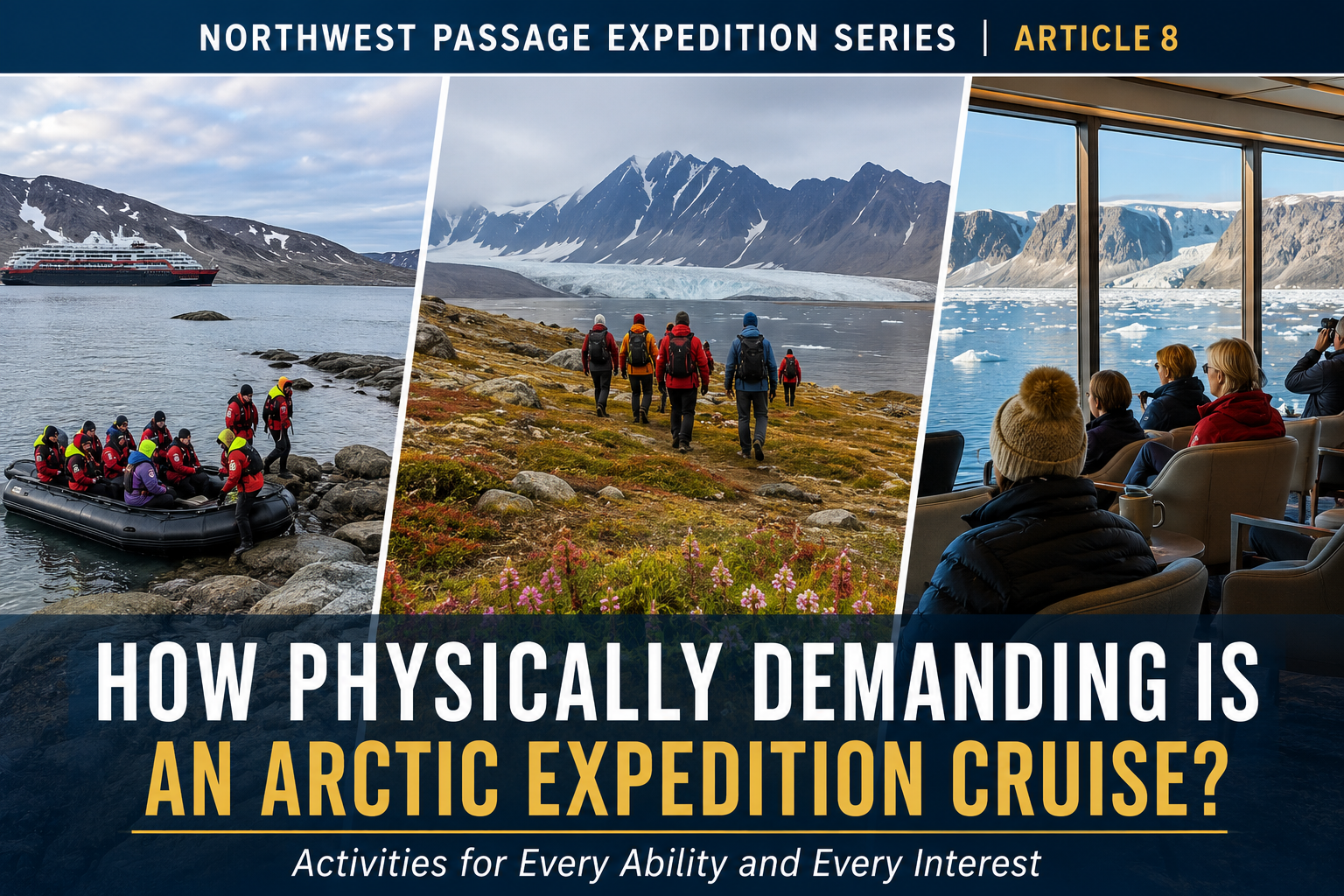
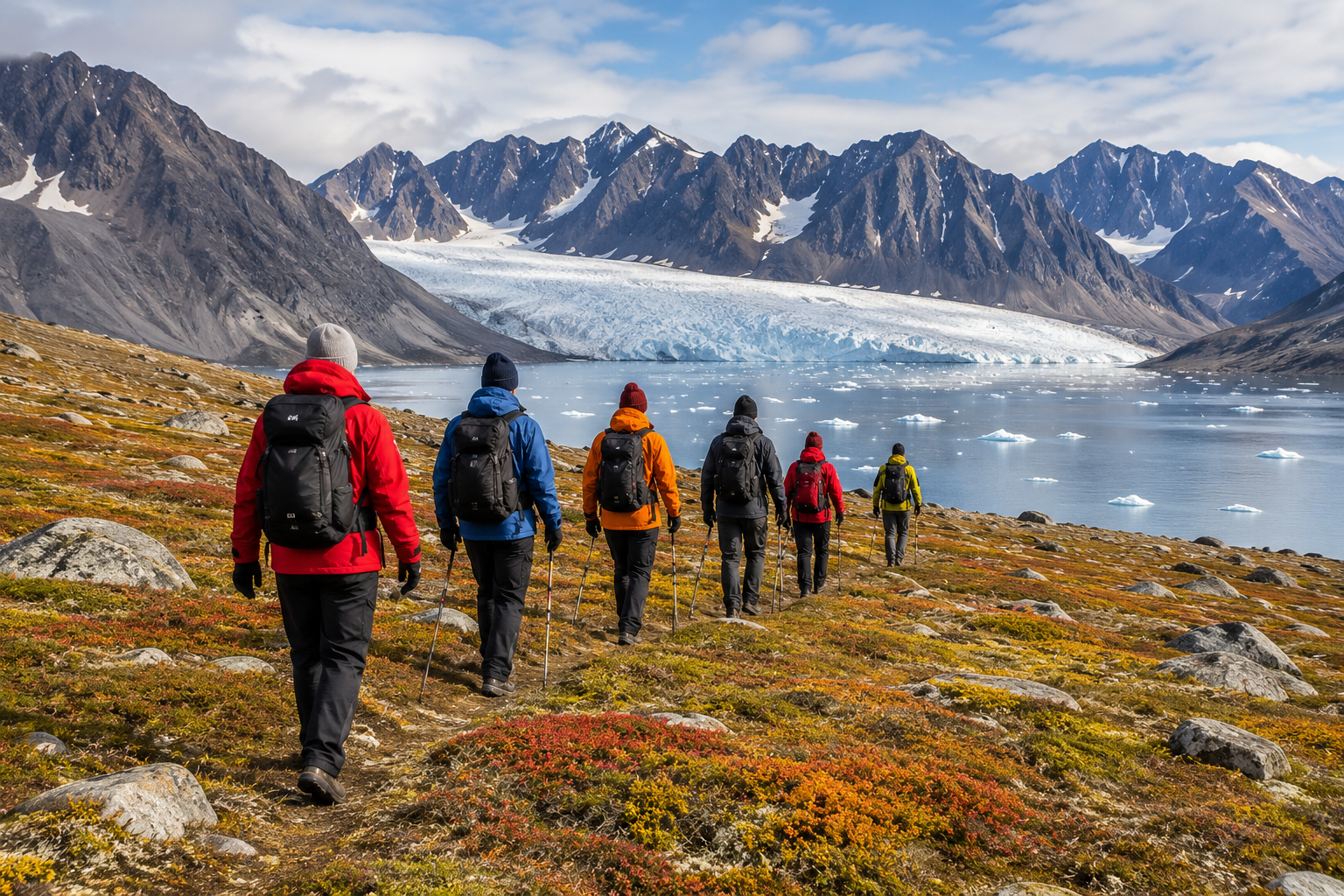
Most expedition ships structure their daily activities across several levels so that guests can self-select based on how they feel. A landing on Arctic tundra might include a gentle shoreline walk for those who want a slow pace and time to observe, a moderate guided hike across open terrain for those who enjoy some exercise, and a more ambitious exploration for those who want to push further. Guests choose where they fit on any given day, and that choice can change from one landing to the next.
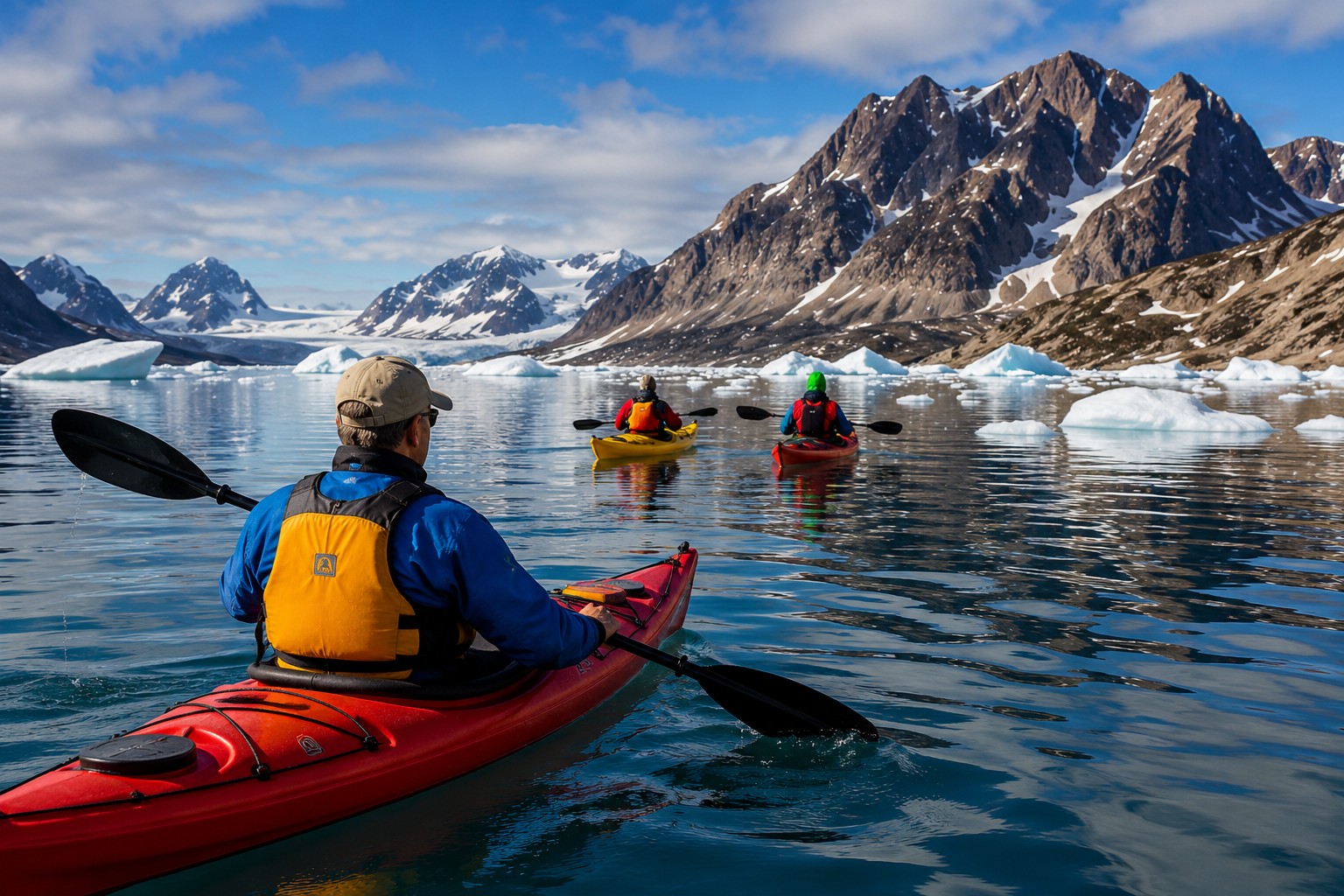
Kayaking is another option on many expeditions. For those who enjoy paddling in calm Arctic waters, it can be one of the most memorable parts of the voyage — gliding quietly alongside glaciers or watching wildlife from water level. But it is always optional. If kayaking is not your thing, there is no pressure to participate.
The Zodiac Experience
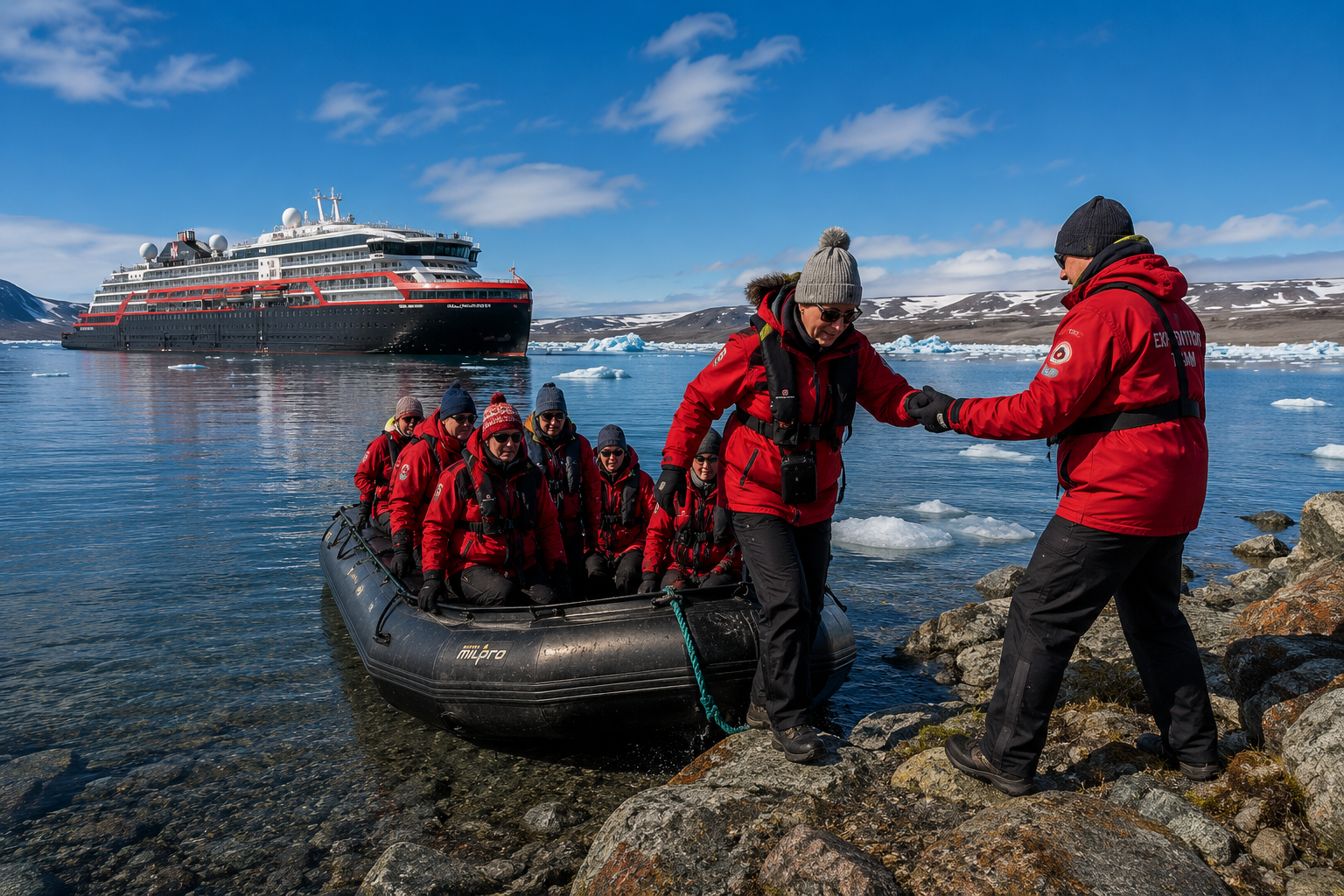
Almost every landing in the Arctic involves a Zodiac — the sturdy inflatable boats that serve as the connection between the ship and the places it cannot reach on its own. Understanding what that experience involves is worth addressing directly.
Boarding a Zodiac typically means stepping from a platform or gangway on the ship into the boat, with expedition staff positioned on both sides to assist. It requires a reasonable degree of balance and the ability to step across a modest gap with help. Once onboard, the ride itself is generally smooth and stable. The boats are well-suited to calm Arctic water, and the expedition team is with you for the entire excursion.
For travellers with limited mobility or who prefer not to attempt the Zodiac boarding, it is always worth speaking with the expedition team in advance. Many situations can be accommodated, and staff are experienced at working with guests across a wide range of physical conditions.
What the Landings Are Actually Like
Arctic terrain is real wilderness. Shorelines can be uneven. Tundra can be spongy and unpredictable underfoot. On some landings, the walk from the water to the area of interest involves a bit of careful footing. This is worth knowing.
But it is also worth knowing that expedition teams scout every landing in advance and choose routes with their guests in mind. Guides stay with the group, the pace is set by the group, and there is no expectation that anyone keep up with anyone else. For travellers who want to take things slowly and simply absorb the environment, that approach is entirely valid and in many ways the most rewarding.
The Arctic rewards patience more than speed. The guests who linger longest at a shoreline or sit quietly on a hillside are often the ones who see the polar bear or catch the light changing across the sea ice in a way that no photograph can quite capture.
One of the things that reassures travellers once they are actually on an expedition voyage is how comprehensively they are looked after. Expedition staff are present on every Zodiac, at every landing, and throughout every activity. Safety briefings ensure that guests understand how each excursion works before they leave the ship. And if at any point a traveller decides they have done enough for the day, returning to the ship is never a complicated or embarrassing process.
The expedition team exists precisely to make all of this work, and they are very good at it.
What Really Matters
When travellers ask me whether an Arctic expedition is within their reach, I usually respond with a question of my own: Are you curious? Do you have a genuine interest in wild places, in history, in nature? Are you open to an environment that is unlike anything you have experienced before?
Those qualities matter far more than fitness level.
The most physically fit traveller who has no real curiosity about the Arctic will find the journey long. The traveller who moves slowly but looks at everything carefully, who asks questions, who stands on deck in the cold because the light on the ice is something they do not want to miss — that traveller will find the Northwest Passage one of the most extraordinary experiences of their life.
The latter above is me. When we were on our HX Expedition ship in Antarctica, we were on deck in every kind of weather because there was so much to see and experience.
Expedition cruising, at its best, is about curiosity and wonder. The ships, the staff, the structure of the activities — all of it is designed to make that possible for travellers across a very wide range of ages and abilities.
Many travellers who have taken voyages like this will tell you, when they reflect on it afterward, that their one regret is not having done it sooner. Not because the journey was easy, but because they had convinced themselves it was harder than it was.
If the idea of sailing the legendary Northwest Passage has been living in the back of your mind, I would encourage you not to let questions about physical demands be the reason you hold back. That conversation is worth having.
I have reserved a limited number of cabins on this 2027 expedition voyage and would be happy to walk you through the itinerary, the activity levels onboard, and current pricing.