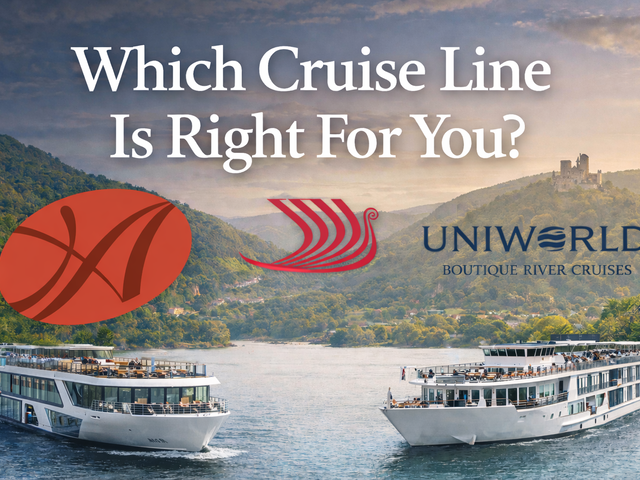
Which Cruise Line is Right for You?
Here’s a quick guide to help you understand the differences between three of the world’s most unique cruise lines — a... learn more

In fact, one of the biggest mistakes I see travellers make is waiting for a “better deal” on a luxury cruise, only to discover months later that the price has increased dramatically, the best cabins are gone, and many of the valuable promotions have disappeared.
After years of watching pricing trends across cruise lines like Viking, AmaWaterways, Uniworld Boutique River Cruises, Oceania Cruises, Regent Seven Seas Cruises, and Explora Journeys, I can confidently say this:
Luxury cruises rarely become cheaper closer to sailing.
In many cases, they become significantly more expensive.
Luxury cruise lines operate very differently from mass-market cruise lines.

Most luxury ships are smaller and carry far fewer guests. A river cruise ship may carry only 150 passengers. An expedition ship may carry fewer than 200. Even many luxury ocean ships carry dramatically fewer guests than the mega-ships operated by larger mainstream brands.
That means inventory is limited from day one.
Unlike airlines trying to fill hundreds of remaining seats at the last minute, luxury cruise lines often sell a large portion of their inventory many months — and sometimes years — in advance.
When the best cabins begin disappearing, prices usually rise, not fall.
The cruise lines know demand is strong, and they use sophisticated yield management systems that continuously adjust pricing based on:
• cabin availability
• booking pace
• sailing popularity
• destination demand
• seasonality
• suite category demand
• historical performance
The earlier you book, the more likely you are to secure:
• lower introductory pricing
• preferred cabin locations
• better airfare promotions
• included perks
• reduced deposits
• bonus shore excursions
• beverage packages or onboard credit offers
As availability shrinks, those promotions often disappear.
I often tell clients that booking early can save thousands of dollars, but this is not theory. I have watched it happen repeatedly.
One example involved a 15-day Australia and New Zealand voyage with Viking.
When the itinerary was first released, the pricing was approximately CAD $8,000 per person for the category booked.
Less than two years later, the exact same sailing, same ship, same cabin category, and same departure period had risen to approximately CAD $16,000 per person.
That is roughly a CAD $16,000 difference per cabin for two travellers.
Another example involved a British Isles itinerary where the exact same cabin category increased by more than CAD $15,000 per cabin between the original booking period and the later pricing cycle.
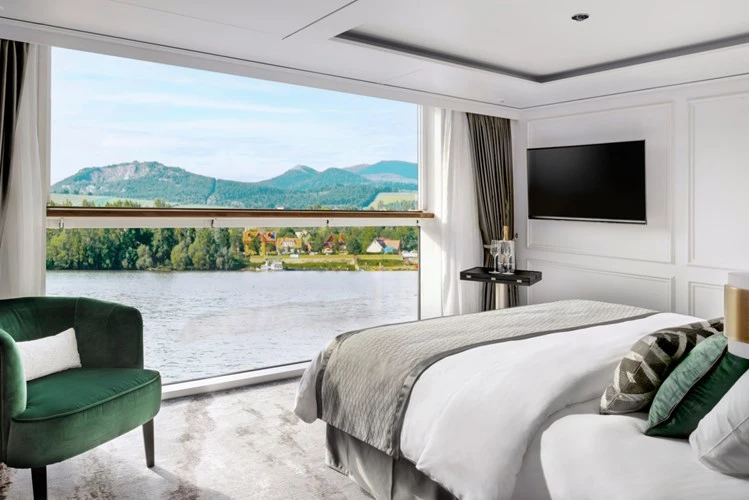
I have also seen similar increases with river cruises, especially for:
• Christmas Markets sailings
• Tulip season itineraries
• Mekong River cruises
• Bordeaux wine itineraries
• Popular expedition voyages
• Suites and higher-category cabins
Luxury inventory disappears faster than many travellers realize.
Here, I discuss AmaWaterways, Uniworld, and Viking River Cruises.
Luxury cruise lines are carefully managed businesses.
They do not want to encourage travellers to delay booking until the final months before departure.
If cruise lines regularly slashed prices near sailing, experienced travellers would simply wait.
That creates operational problems for the cruise lines:
• unpredictable revenue forecasting
• staffing uncertainty
• excursion planning complications
• airfare coordination issues
• inventory instability
Instead, luxury lines reward travellers who commit early.
That is why launch pricing can sometimes represent the best overall value a traveller will ever see for a particular sailing.
Another misconception is that all cabins are equal.
They are not.
On many ships, certain cabins are considered highly desirable because of:
• larger balconies
• mid-ship location
• proximity to elevators
• better views
• reduced motion
• larger bathrooms
• upgraded suite benefits
• connecting options for families
Those cabins often disappear very early.
By waiting, travellers may still find “a cabin,” but not necessarily the cabin they truly wanted.
This becomes especially important on:
• river cruises
• expedition cruises
• small luxury ships
• world cruises
• holiday sailings
• unique itineraries with limited departures
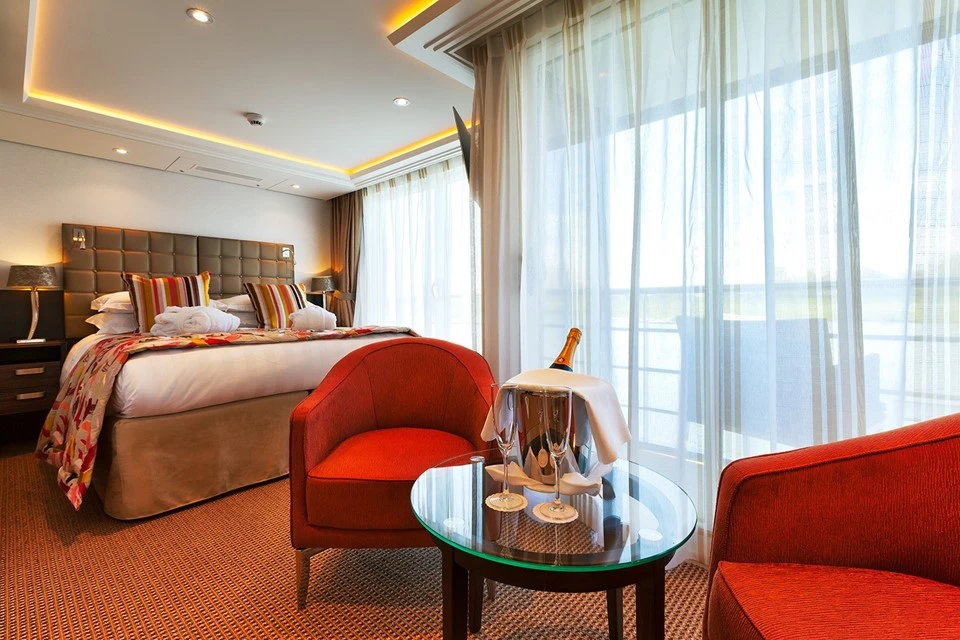
Yes, there are occasionally last-minute cruise deals.
But they are far more common in:
• mass-market cruising
• off-season departures
• undesirable cabin categories
• repositioning cruises
• sailings with weak demand
They are far less common on highly sought-after luxury itineraries.
And even when lower fares appear late in the booking cycle, travellers may still face:
• expensive airfare
• poor flight schedules
• limited hotel availability
• fewer excursion choices
• reduced cabin selection
The “savings” are not always true savings.
Why Working With A Cruise Advisor Matters

One of the biggest advantages of working with an experienced cruise advisor is understanding booking timing.
Sometimes booking immediately makes sense.
Sometimes waiting for a new promotion makes sense.
Sometimes holding a cabin before airfare opens is the smartest strategy.
An experienced advisor can help travellers:
• monitor pricing
• understand promotions
• compare inclusions
• select the right cabin
• evaluate cancellation terms
• coordinate flights and insurance
• avoid expensive mistakes
Most importantly, a good advisor helps travellers understand value, not just price.
Because in luxury travel, the cheapest option is not always the best value.
And waiting for a “sale” may end up costing far more than booking early.
If you are considering a luxury ocean, river, or expedition cruise and would like help understanding when to book, I would be happy to help guide you through the process.
After all, some of the best travel experiences in the world are also some of the fastest to sell out.
Ken Graham
TravelOnly With Ken
Visit my YouTube - Scan the QR Code Below:
Here’s a quick guide to help you understand the differences between three of the world’s most unique cruise lines — a... learn more
"Europe Sud"
 Ken Graham
Sign up for our newsletter to learn about the latest product news and deals. Also receive exclusive offers, contest details and giveaways.