Plan Your Best Trip Ever!
"Budapest"

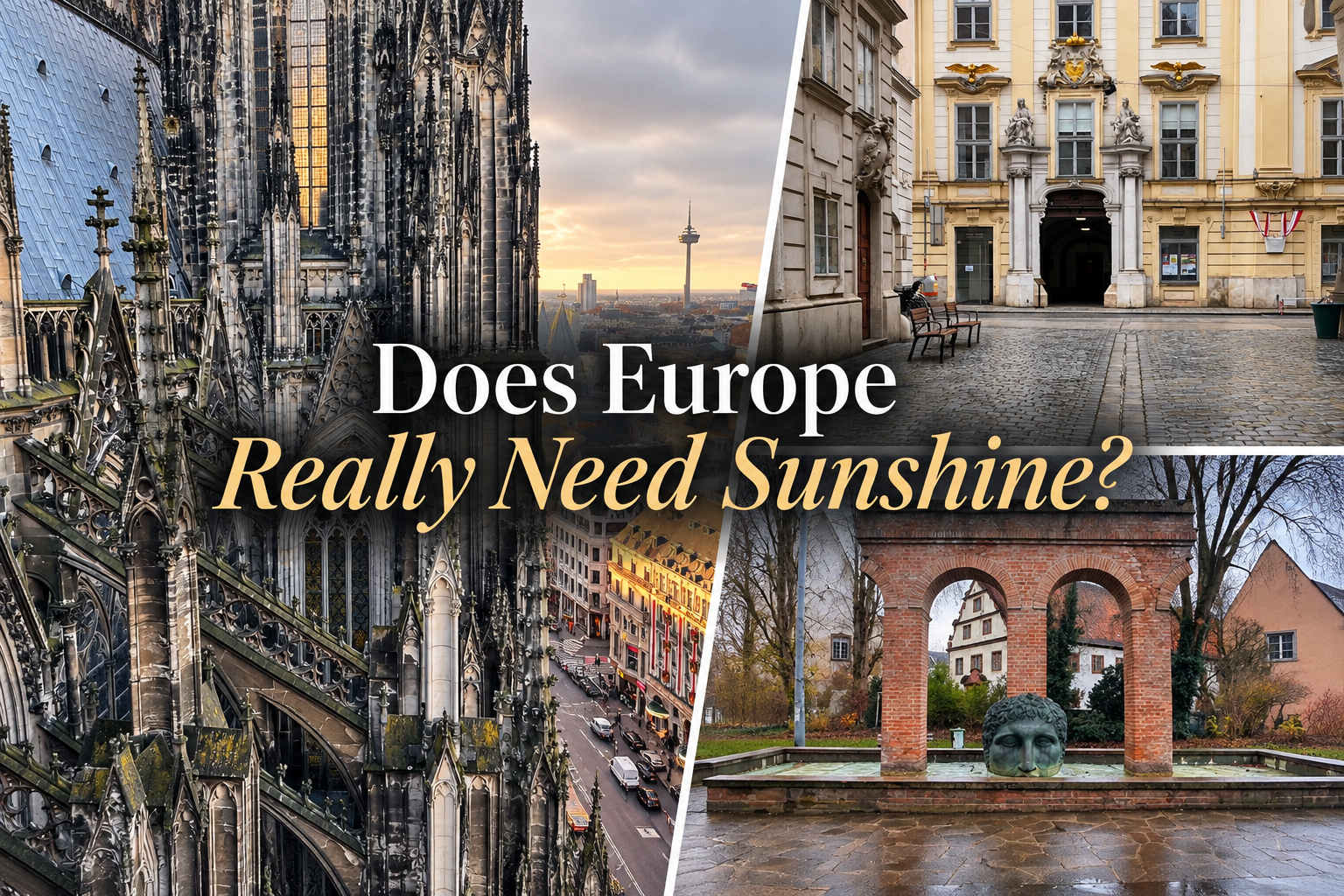
But summer in Europe can also mean some of the hottest temperatures of the year, crowded streets, busy attractions and thousands of other travellers trying to experience exactly the same places at exactly the same time.
So perhaps we should ask a different question:
Does Europe really need sunshine to be worth experiencing?
I personally don't think it does.
The pictures above are Cologne, Vienna, and Strasbourg and all taken - by me - in November or December.
We have sailed the Rhine and the Danube in both summer and fall/winter. We have sailed before December holidays and through Christmas and New Year. There is a very different vibe with the different seasons. Summer is a more tourist vibe, and fall/winter is a more local vibe to the streets and the markets.
When we plan a vacation, we naturally hope for good weather. But somewhere along the way, I think we've started confusing good weather with good travel.
They aren't necessarily the same thing. What is “good weather”?
Imagine walking through Vienna on a cool November afternoon. The leaves may already be gone. You might need a jacket. The sky might even be grey. But look around. People are meeting friends in cafés. Locals are shopping. Restaurants are preparing for the evening. The city is beginning its transition toward the Christmas season.
You're experiencing Vienna at a different point in its rhythm.
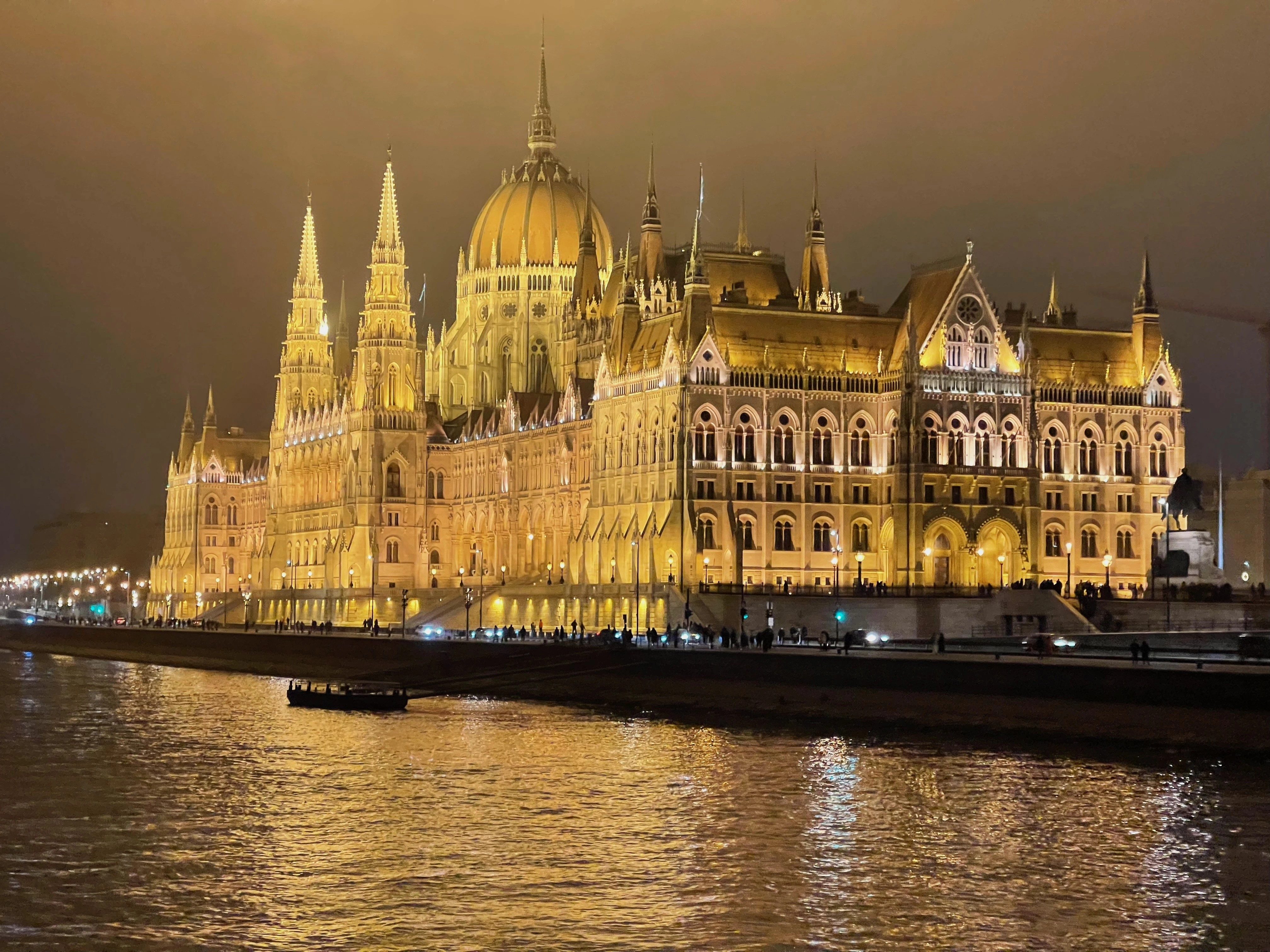
Or imagine Budapest under an overcast sky, with the Danube running through the centre of the city and its magnificent architecture stretching along both banks.
Does Parliament become less impressive because the sun isn't shining?
Of course not.
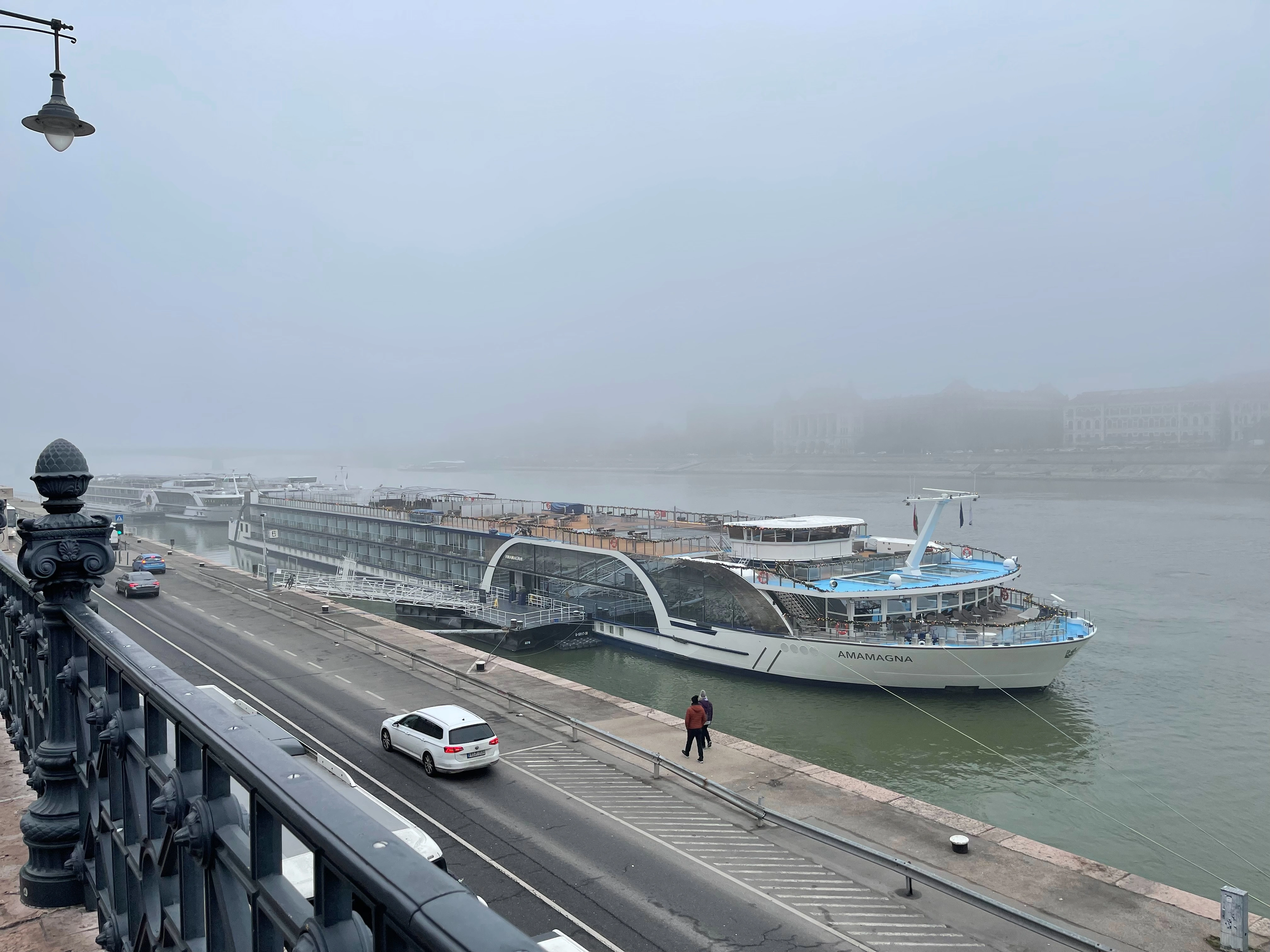
This view was one of my highlights. Not many cars, but the mist and the fog made this an image that I will never forget.
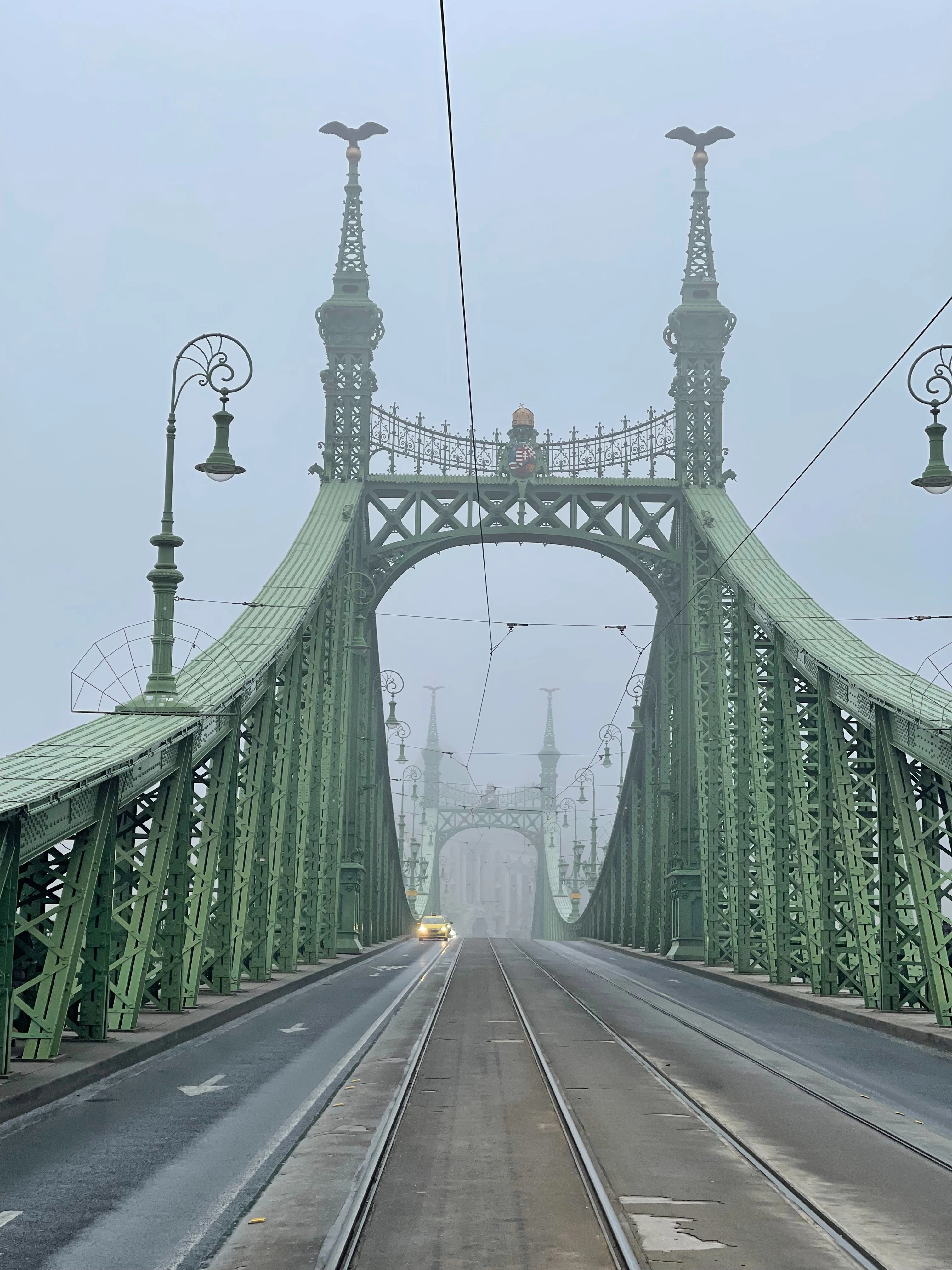
One of the great advantages of travelling outside the traditional European summer season is simply having a little more room to experience where you are.
That doesn't mean Europe's great cities suddenly become empty. They don't.
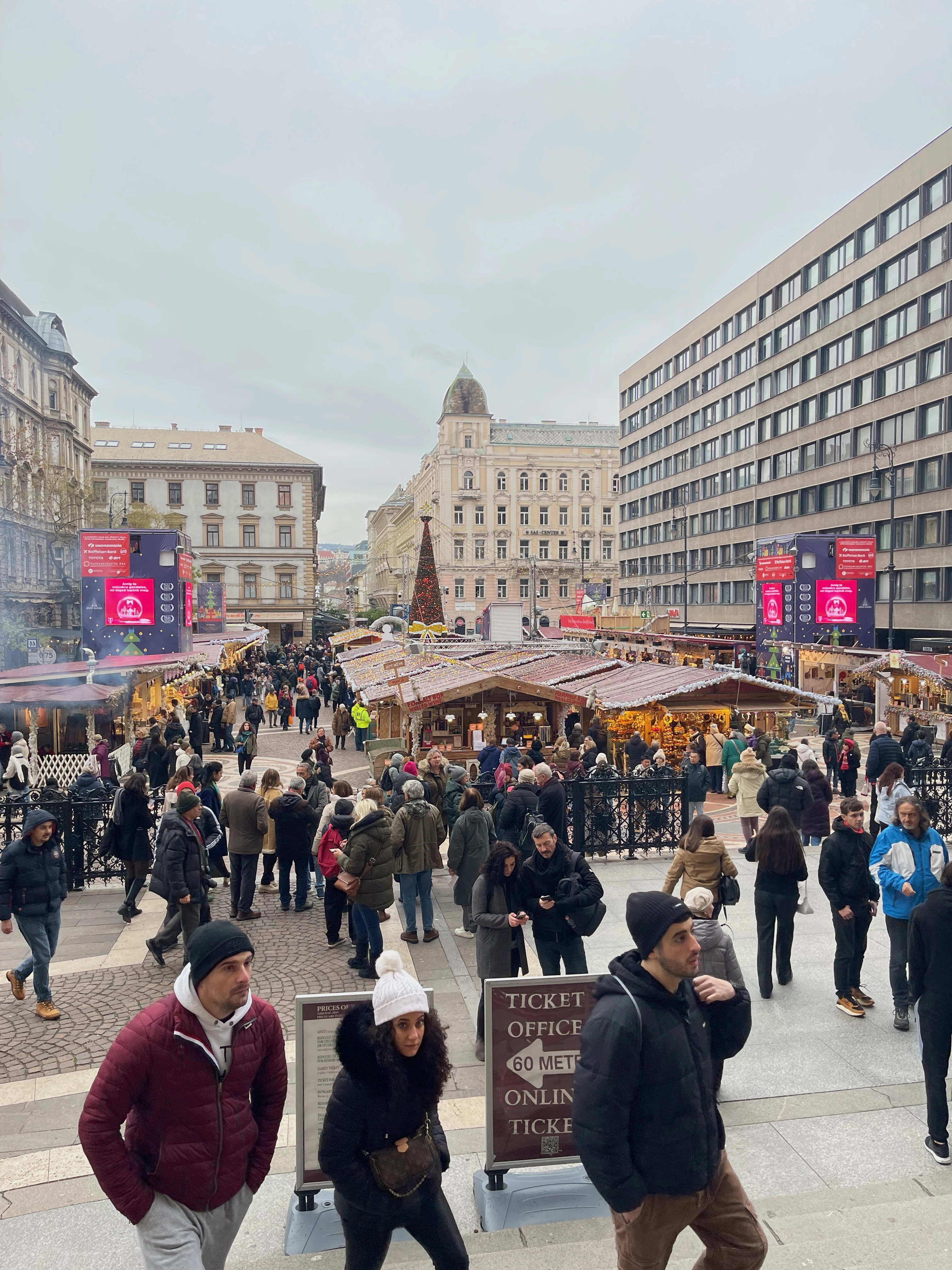
And as the Christmas season approaches, some areas can become quite busy again.
But there can be a noticeable difference between walking through a European city in July or August and experiencing that same destination in November.
You may find yourself noticing the destination rather than the crowd around you.
The architecture. The neighbourhoods. The cafés. The markets. The people who actually live there.
Sometimes seeing fewer tourists allows us to see more of the place we travelled so far to experience.
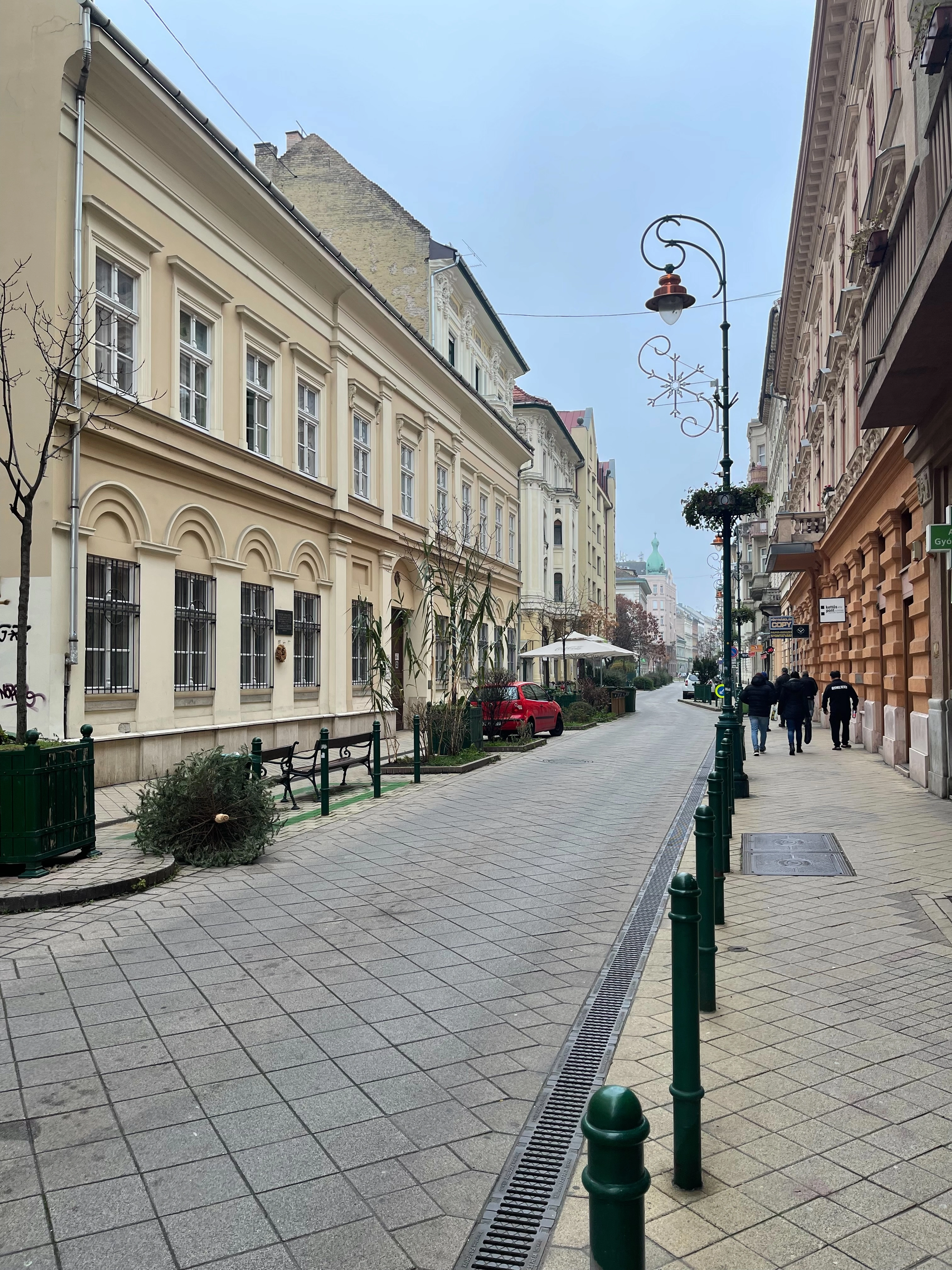
We also need to rethink what makes a destination beautiful.
Bare trees aren't necessarily unattractive. They can reveal buildings, church towers and architectural details that are partially hidden during summer.
Mist over a river can be incredibly atmospheric.
This was our ship for one of our journeys - the AmaMagna. Double the width of a traditional river ship, fully decked out inside and out for Christmas, and our oasis when we returned from our day. Welcomed back by amazing crew and an evening of food and drink in one of the AmaMagna's four amazing dining rooms.
Wet cobblestones reflecting the lights of a European city can make an ordinary street look extraordinary.
And those grey skies we sometimes complain about?
They can actually be wonderful for photography.
Bright midday sunshine can produce harsh shadows and extreme contrast. Cloud cover creates softer, more even light that can work beautifully for architecture, street scenes and photographs of people.
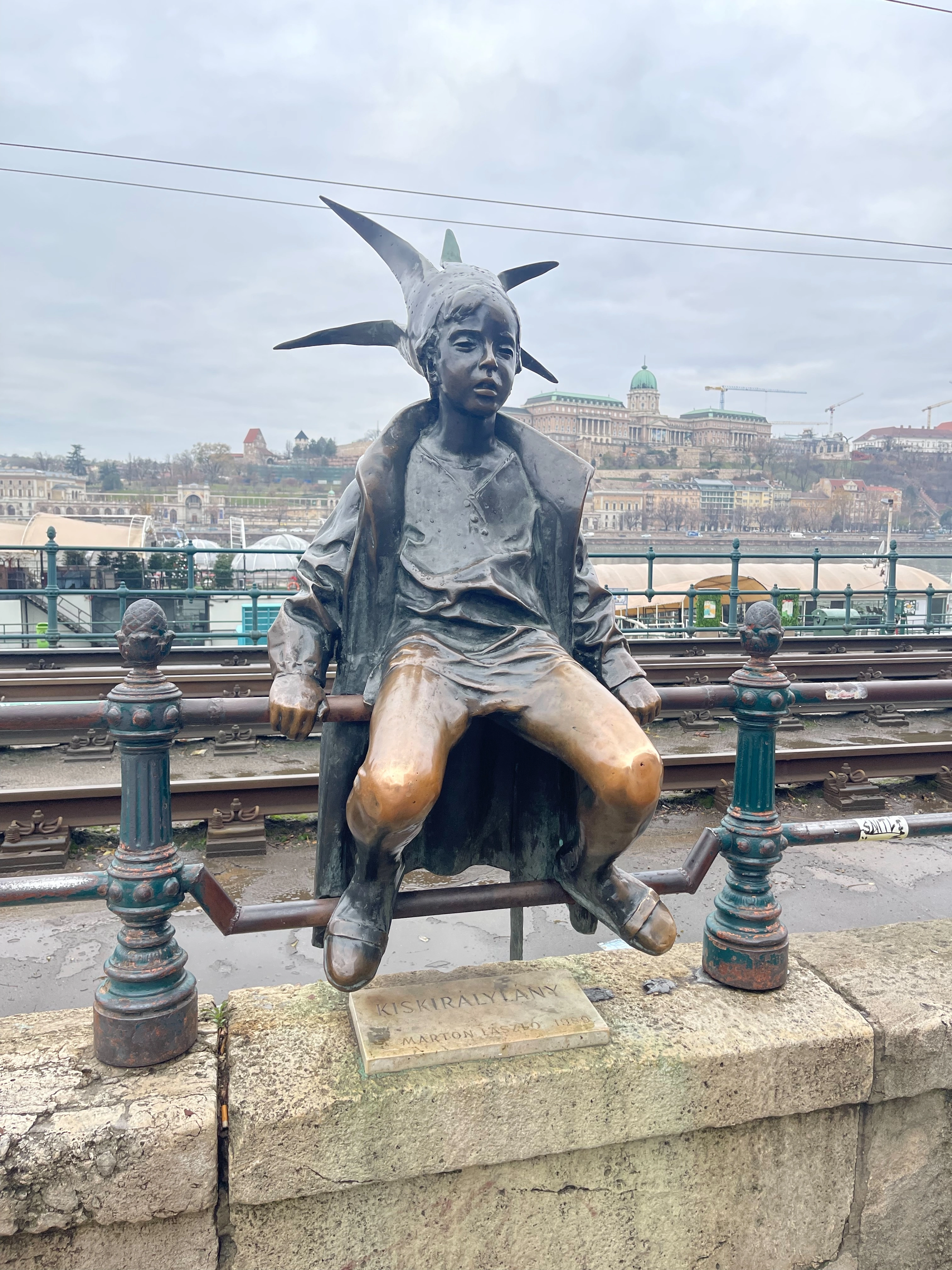
Your vacation pictures don't necessarily need blue skies to be beautiful either. This is a great example of one of my favourite sites, and a statue that was made into the centrepoint of a piece of art created by my niece (Below) The Little Princess. Is she beautiful in the sunshine? Yes, but I think this is an exceptional picture that highlights every small detail of her beauty.

There's another difference that I think we sometimes overlook.
When it isn't hot outside, we travel differently.
Perhaps we linger a little longer over coffee. We spend more time in museums. We stop for lunch instead of grabbing something quickly so we can get back outside.
A Viennese coffeehouse on a cool November afternoon isn't somewhere to escape from your vacation.
It is part of your vacation.
And as daylight becomes shorter, European cities transform earlier in the day.
Buildings illuminate. Bridges light up. Restaurants become inviting. Streets take on a completely different character.
Instead of waiting until late in the evening to see Europe after dark, nighttime becomes part of the normal sightseeing day. The streets are alive as evening approaches.
This is one reason I think river cruising works so well outside the traditional summer season.
Your comfortable hotel travels with you.
You can spend the morning walking through a chilly European town, explore for several hours, perhaps stop for a coffee, and then return to a warm ship.
Your cabin is there. Lunch or dinner is waiting. You unpacked once, and tomorrow morning you wake up somewhere new.
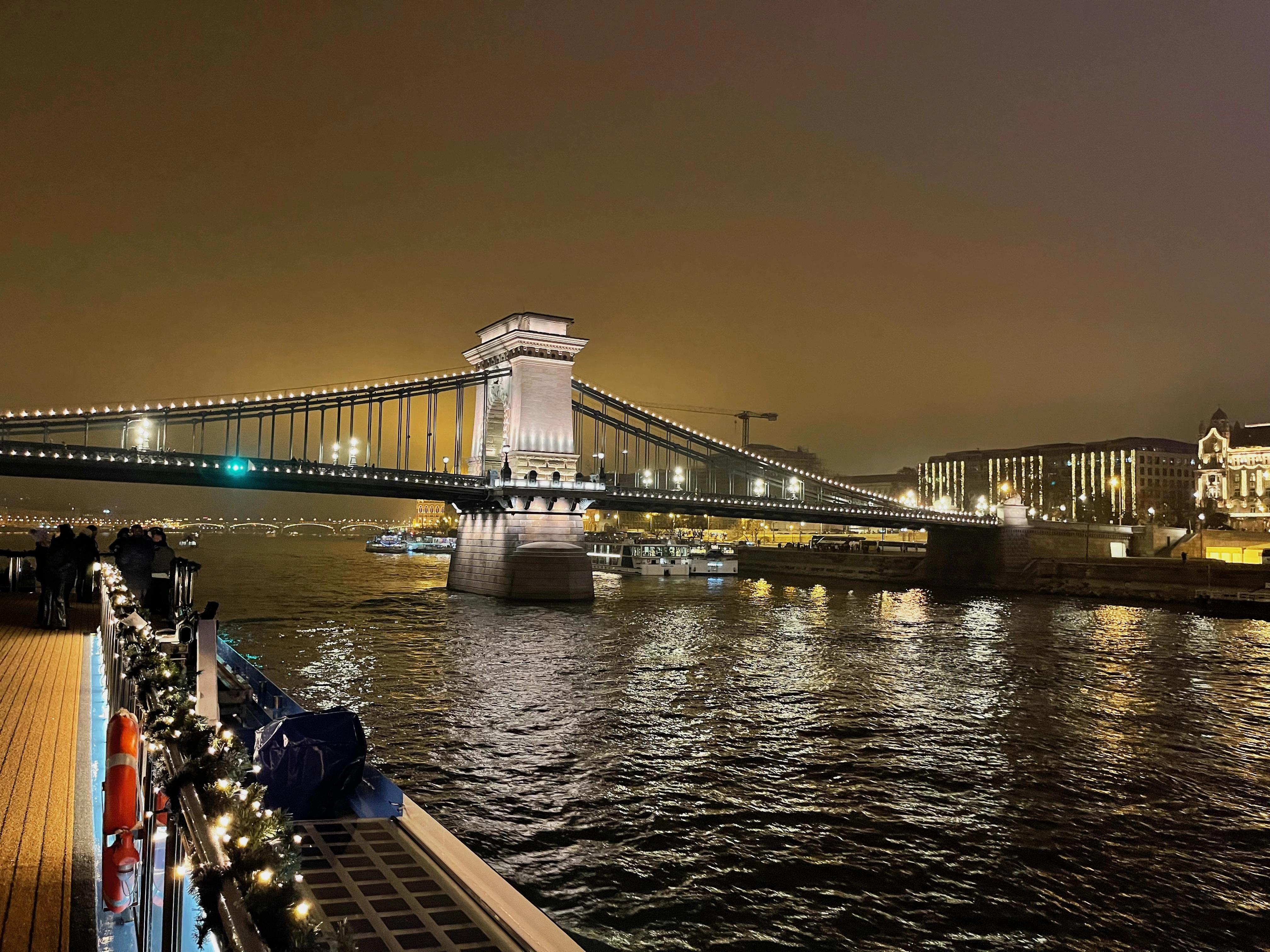
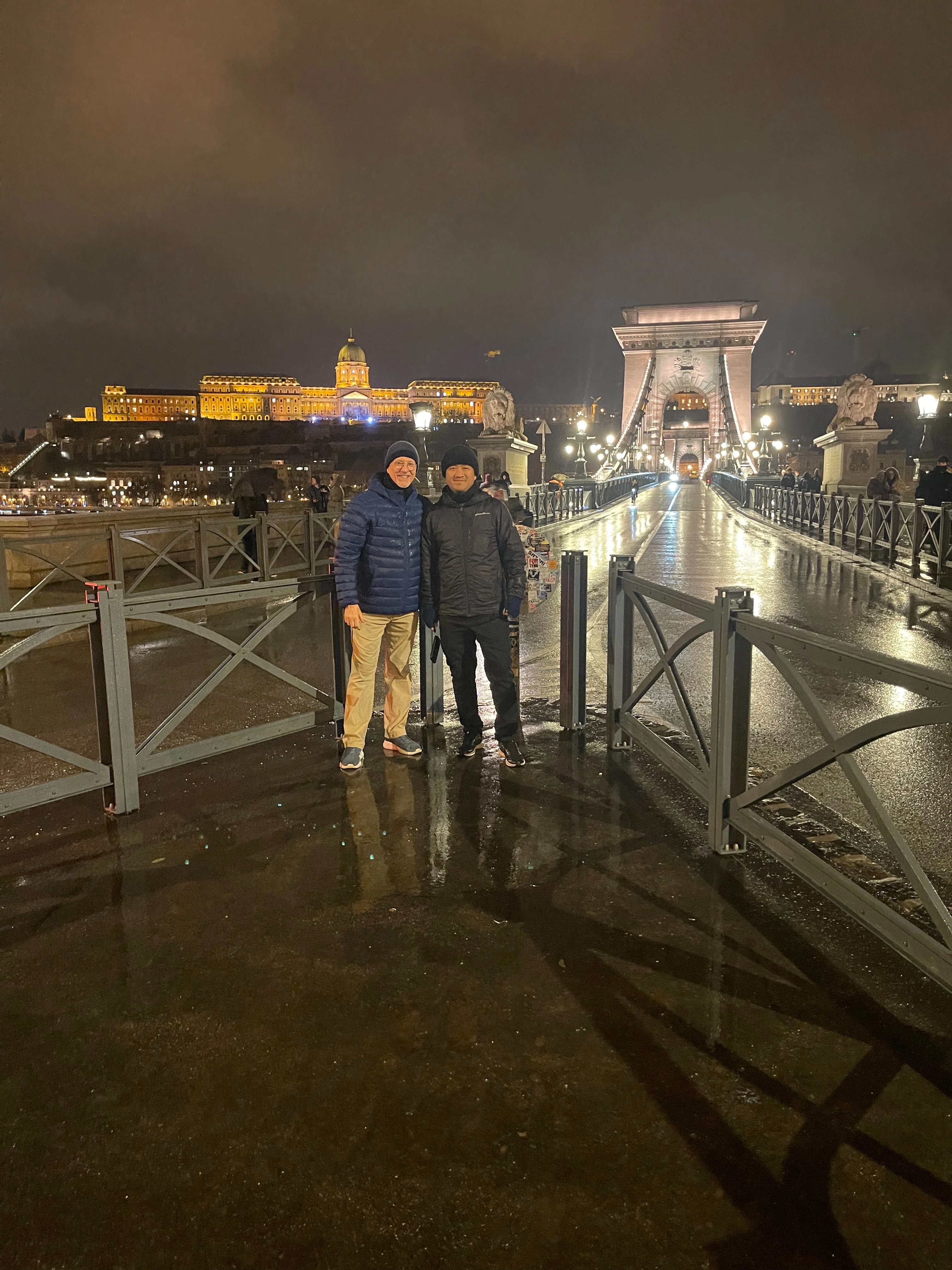
Suddenly, cooler weather doesn't seem quite as intimidating. The below was a walk after dinner to see the Chain Bridge lit up, and the rain didn't keep us away. We packed for this weather, we dressed for this weather, and we took advantage of every minute.
I have travelled with people who constantly say - even in summer - “oh, I wish the sun was out today”, where we take the weather as it is. We don't hope or wish for anything more or less than we received. Mother nature will take care of us, and the weather we get is what we get. We will appreciate the city in the way it was presented - sun, or no sun.
Off-season travel isn't perfect, and I wouldn't pretend otherwise.
You may encounter rain. Temperatures can be chilly. Daylight hours are shorter. Some seasonal businesses and attractions may operate reduced hours or close altogether.
And yes, there will probably be days when you wish the sun would come out.
But that's very different from saying the trip would somehow be less worthwhile.
Summer Europe and late-autumn Europe aren't competing versions of the same vacation.
They can be, and are, completely different experiences.
Instead of asking:
“Will the weather be good?”
Perhaps we should be asking:
“What will this destination be like at that time of year?”
Because travel doesn't always need perfect weather.
It needs interesting places, interesting people, great food, history, culture and enough curiosity to experience a destination as it actually is.
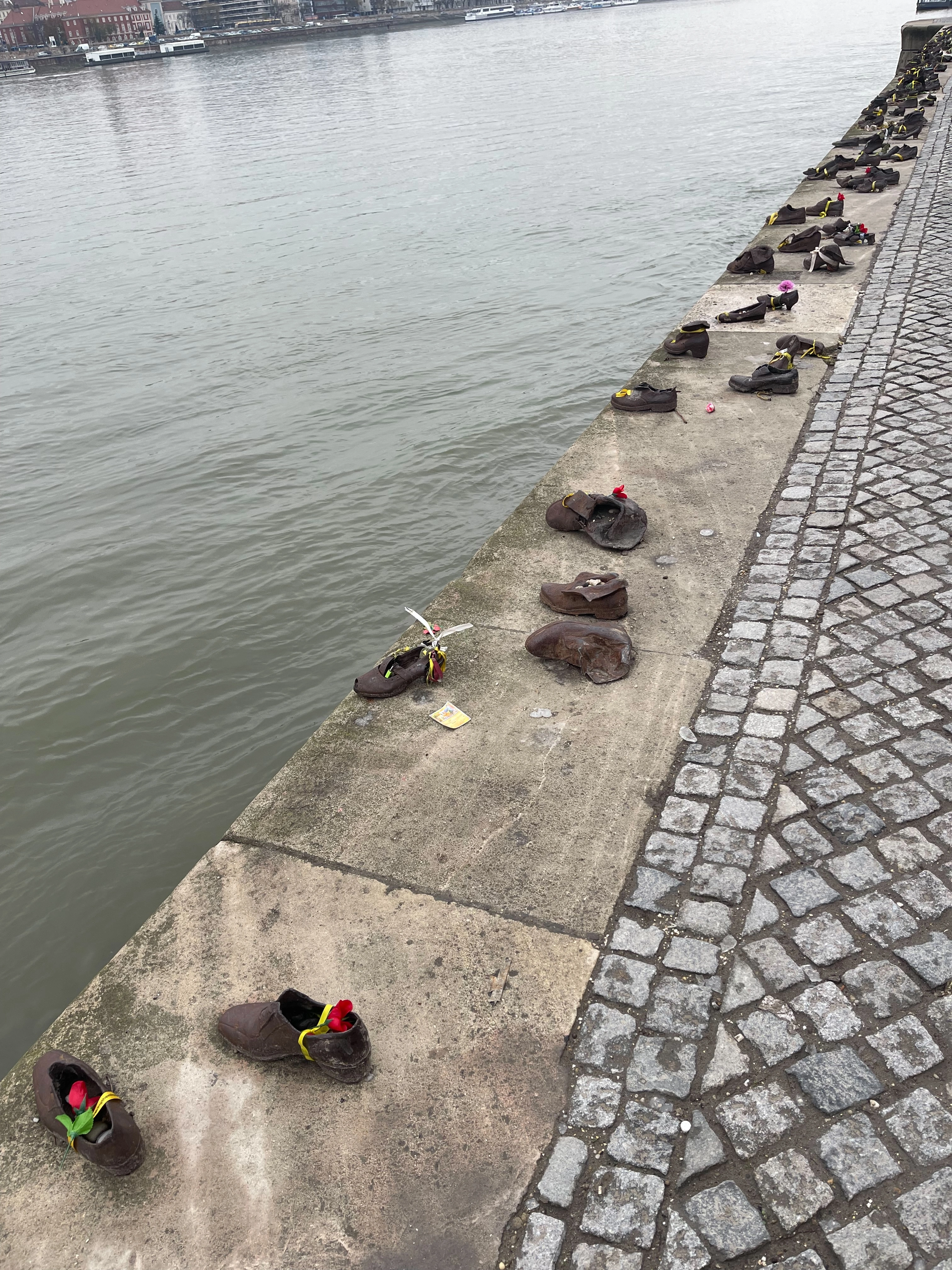
This is a very raw memorial for many people, but I almost think that the Shoe Memorial on the bank of the river in Budapest has more impact and meaning without bright sun. To me it has a more meditative quality in the low light.
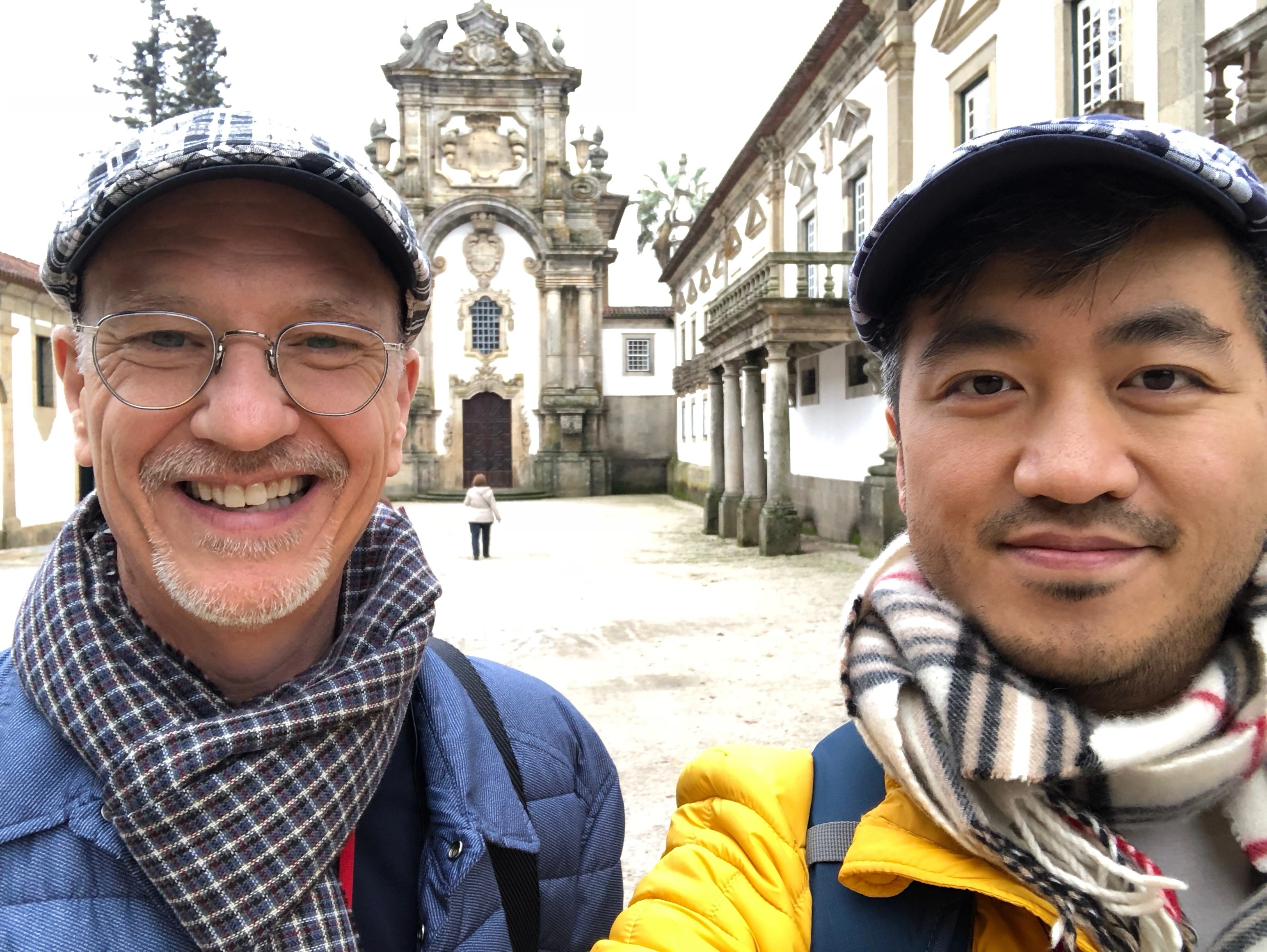
This is my philosophy of travel in a few words. I am, we are, never concerned about the weather. You can travel in the height of summer and have rain for days. You can travel in the late fall / winter and have sunny days. We pack for all occasions, are never caught without an umbrella, we always have a hat, scarf, and a warm sweater layer just in case. We are there to experience the city, town, people, culture, and food, dispite the weather.
Perhaps we need to stop travelling to Europe only when we think Europe will look its best, and start travelling when Europe feels most like itself.
For me, that's a pretty compelling reason to consider river cruising outside the traditional summer season.
If you're considering a river cruise but aren't sure which season, river or itinerary best suits how you like to travel, that's where a knowledgeable travel advisor can help.
There isn't one perfect time to see Europe.
There may, however, be a perfect time for you.
I am Ken Graham - Travel Advisor - River Cruise Specialist.
Chances are, I have been there summer and winter…
And, lets end with one of my favourite shots of all time - the Budpest Parliment at night, and in late November.
"Budapest"
 Ken Graham
Sign up for our newsletter to learn about the latest product news and deals. Also receive exclusive offers, contest details and giveaways.