
Why I Travel: What the World Has Taught Me
As a travel advisor, people often ask me why I travel so much and why I am so passionate about helping others see the... learn more

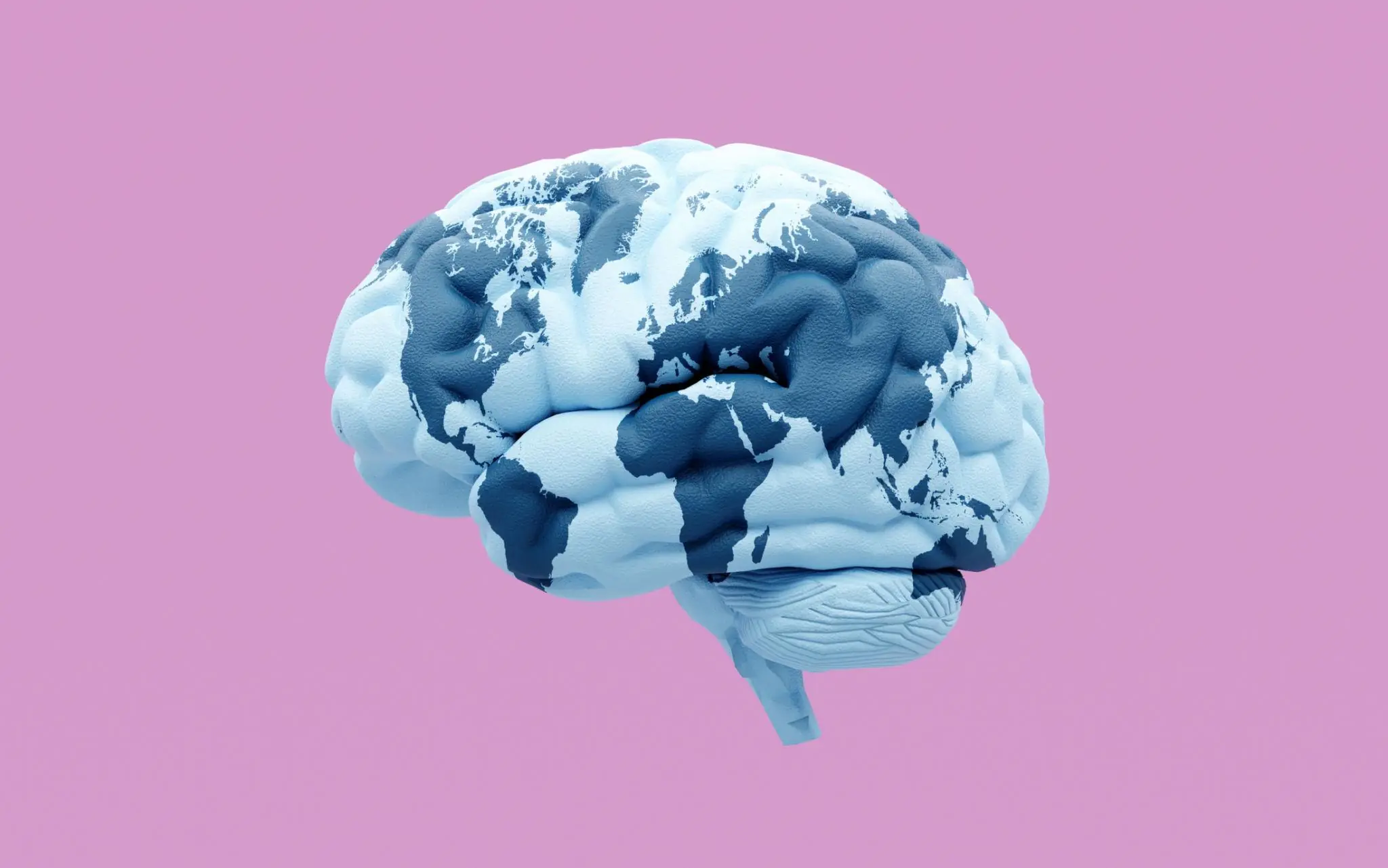
Travel does far more than create beautiful memories and photographs. It quite literally exercises your brain.
When you travel, especially to unfamiliar places, your brain is pushed out of autopilot. At home, most of your daily routines are automated. You drive the same roads, speak the same language, follow predictable patterns. Your brain conserves energy by running these behaviors on established neural pathways. Travel interrupts that efficiency in a very healthy way.
Novelty builds new neural connections. The brain thrives on new stimuli. When you navigate a foreign subway system, taste unfamiliar cuisine, hear different accents, or decode street signs in another language, your brain is forming and strengthening synaptic connections. Research in neuroscience shows that novel environments stimulate neuroplasticity, the brain’s ability to reorganize and build new pathways. This process supports cognitive flexibility and learning.
Travel also enhances memory formation. New experiences activate the hippocampus, a region critical for memory encoding. Because travel experiences are emotionally rich and sensory intense, they are more likely to be consolidated into long-term memory. That is why you can remember specific details of a trip years later, while last Tuesday may already be blurry.
Stress regulation improves as well. While travel can involve logistical stress, leisure travel has been associated with reduced chronic stress markers. Exposure to natural environments, such as oceans, mountains, or rivers, has been linked in multiple studies to lower cortisol levels and improved mood regulation. Lower chronic stress supports healthier brain aging.
Perspective shifting is another major benefit. Immersing yourself in different cultures challenges assumptions and biases. This cognitive flexibility strengthens executive function, creativity, and problem-solving. Studies on creativity consistently show that multicultural exposure correlates with higher levels of innovative thinking.
Social interaction during travel also plays a role. Conversations with locals, guides, or fellow travellers activate language centres and social cognition networks. Social engagement is strongly associated with long-term cognitive resilience.
Finally, anticipation itself benefits the brain. Planning a trip activates reward pathways involving dopamine. The act of looking forward to something meaningful increases positive affect and motivation.
Travel, especially when intentional and immersive, is not simply leisure. It is cognitive cross-training. It demands attention, adaptability, emotional engagement, and curiosity. All of these are workouts for the brain.
For me/us travel has been the catalyst to a higher understanding of the human condition, culture, food, and how there are so many opportunities for growth beyond what we know from our home comfort zones.
Get in touch and let's travel…
As a travel advisor, people often ask me why I travel so much and why I am so passionate about helping others see the... learn more
"Europe Sud"
 Ken Graham
Sign up for our newsletter to learn about the latest product news and deals. Also receive exclusive offers, contest details and giveaways.