Plan Your Best Trip Ever!
"Japan"

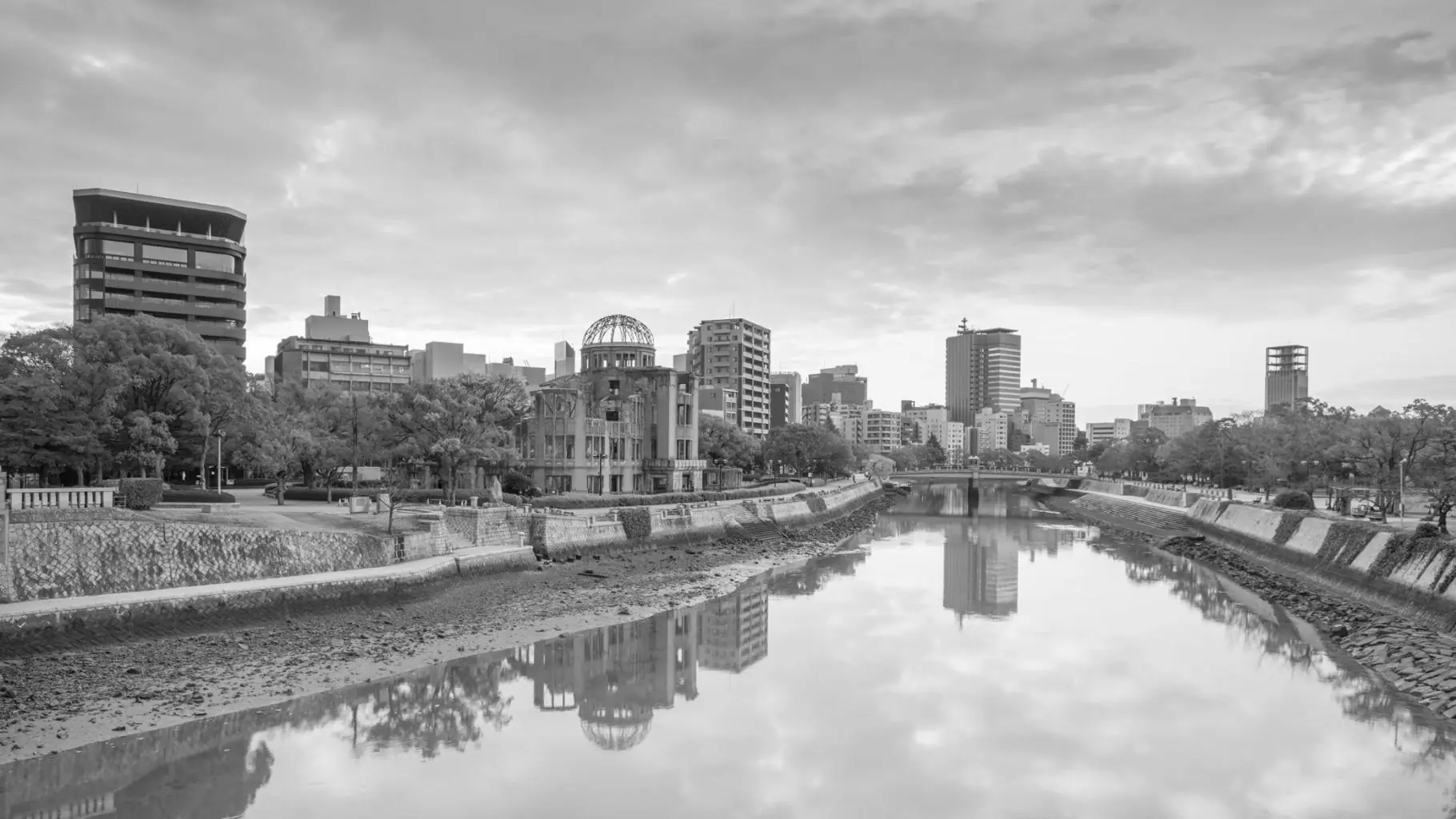
The tears came without warning, as if the grief of the past had somehow reached across eighty years and found me standing there. In all my travels around the world, no place has ever affected me this deeply.
Like many visitors, I arrived curious to understand one of the most significant historic sites of the twentieth century. Hiroshima and Nagasaki are names most of us first encounter in history books, associated with the atomic bombings that took place in August 1945 during the final days of the Second World War.
But history written on a page is very different from standing in the place where it happened.
As we walked through the park, our guide began sharing the stories of those days. Some people died instantly when the bomb detonated. Others survived the initial blast only to suffer terrible burns and injuries. Families searched through the ruins of the city looking for loved ones, often finding only devastation.
Many survivors wandered through the destroyed streets crying out for one simple thing.
Water.
In the hours and days after the bombing, thousands of victims suffered from severe burns, shock, and radiation sickness. Many were desperately thirsty. Survivors later described people collapsing along riverbanks or along roadsides, pleading for water before they died.
Even today, visitors continue to honour those victims by bringing water to the memorials. Some bring bottles. Others pour small cups into the memorial fountains. It is a quiet act of compassion for those who suffered and died thirsting in the aftermath of the bombing.
At the same time, thousands of colourful paper cranes hang throughout the park. School children from across Japan and around the world fold them carefully by hand. The cranes are symbols of peace and hope, inspired by the story of Sadako Sasaki, a young girl who developed leukemia after the bombing and began folding cranes while she was ill.
Walking through the park, these displays of cranes and the quiet offerings of water create an atmosphere that is difficult to describe.
Standing there, listening to the stories, something unexpected happened to me.
A wave of emotion came over me so strongly that tears filled my eyes almost immediately. It felt as though the grief and devastation that occurred there had somehow left an imprint - something that visitors can still feel when they stand quietly in that place.
I remember looking around the park and noticing how silent many visitors were. People walked slowly. Some paused at memorials for long moments. Others wiped tears from their eyes.
It seemed that many of us were experiencing something similar. A moment when history stopped being abstract and suddenly became deeply human.
Later in our travels we visited Nagasaki Peace Park, where the story of the second atomic bombing was told in equally powerful ways. The memorials there carry the same quiet message of remembrance and hope. Like Hiroshima, Nagasaki’s memorials also honour those who suffered terribly in the days after the explosion.
The experiences in both cities stayed with me long after we left.
After visiting the memorial parks, I remember saying something to my husband and the friends we were travelling with.
Every world leader should be required to visit Hiroshima and Nagasaki.
They should walk through these parks, listen to the same stories, and stand in the same silence that visitors experience there every day.
But more than anything, I wish they could feel the overwhelming emotion that I felt standing in those places.
Because if the people who make decisions about war could truly feel the human cost of what happened in Hiroshima and Nagasaki, perhaps the threat of nuclear war would finally become unthinkable.
Some places you visit as a traveller.
Other places stay with you forever.
View my personal travel experiences here: https://www.youtube.com/@TravelOnlyWithKen
"Japan"
 Ken Graham
Sign up for our newsletter to learn about the latest product news and deals. Also receive exclusive offers, contest details and giveaways.